Education in the Digital Age: Pros and Cons of Online Learning Platforms
Another advantage is the **variety of courses** available. Online platforms offer a wide range of subjects, from technical skills to creative arts, catering to diverse interests and career goals. This variety allows learners to explore new fields and acquire skills that are in demand in the job market.
Moreover, online learning often comes with **cost savings**. Traditional education can be expensive, with tuition fees, accommodation, and commuting costs. Online courses are typically more affordable, and many platforms offer free courses or financial aid options, making education more accessible to a broader audience.
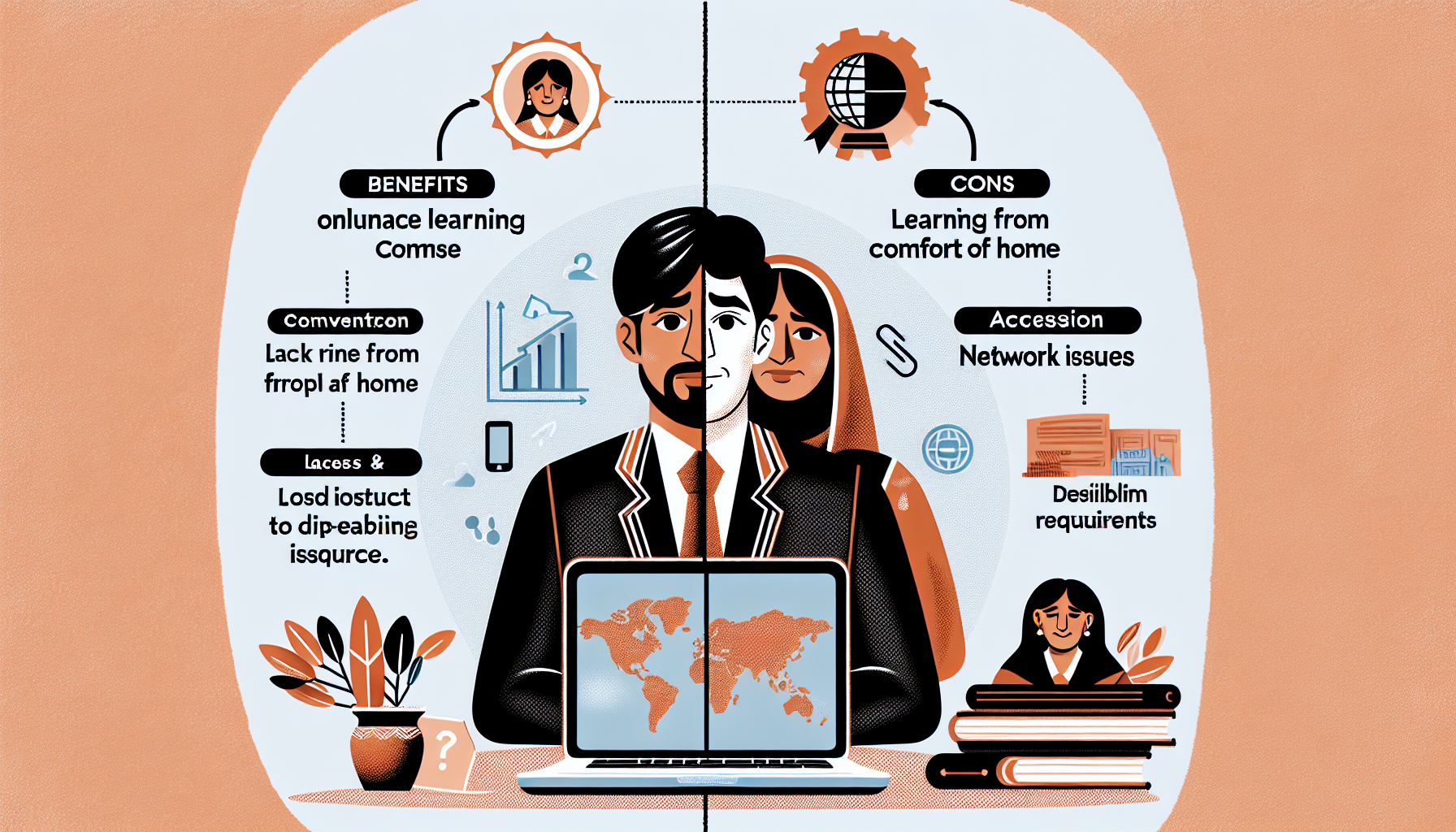
Challenges of Online Learning Despite its advantages, online learning also presents several challenges. One significant issue is the **lack of face-to-face interaction**. Traditional classrooms offer opportunities for students to engage with instructors and peers, fostering a sense of community and collaboration. Online platforms may struggle to replicate this experience, leading to feelings of isolation among learners.Another challenge is the **requirement for self-discipline**. Online learning demands a high level of motivation and time management skills. Without the structure of a physical classroom, some students may find it difficult to stay focused and complete their courses.
Additionally, there is the issue of **technology access**. Not all students have reliable internet connections or access to the necessary devices for online learning. This digital divide can exacerbate educational inequalities, leaving some students at a disadvantage.
Furthermore, the role of educators will also evolve. Teachers may transition from traditional roles to becoming facilitators and mentors, guiding students through their online learning journeys and providing support where needed.
Conclusion In conclusion, online learning platforms have transformed education in the digital age, offering both significant advantages and notable challenges. While they provide flexibility, variety, and cost savings, they also require self-discipline and access to technology. As the education sector continues to adapt to digital advancements, a hybrid model that combines the best of online and traditional learning may emerge as the most effective approach. Embracing this change will be crucial for educators and learners alike to thrive in the future of education.