The Convergence of AI and IT Technologies: The Evolution of Smart Homes
Smart Home
1. AI Basics2. IT Integration3. Smart Devices
Understanding AI
Artificial Intelligence (AI) is the simulation of human intelligence processes by machines, especially computer systems. These processes include learning, reasoning, and self-correction. In the context of smart homes, AI plays a crucial role in automating and optimizing various household functions. From voice-activated assistants to predictive maintenance, AI is the backbone of modern smart home technology.
The integration of IT with AI is pivotal in creating efficient smart home systems.
Information Technology (IT) provides the infrastructure that supports AI functionalities. This includes cloud computing, data storage, and network connectivity. Together, AI and IT enable seamless communication between devices, ensuring that smart homes are not only intelligent but also reliable and secure. The synergy between these technologies facilitates real-time data processing and decision-making.
Connected Ecosystem
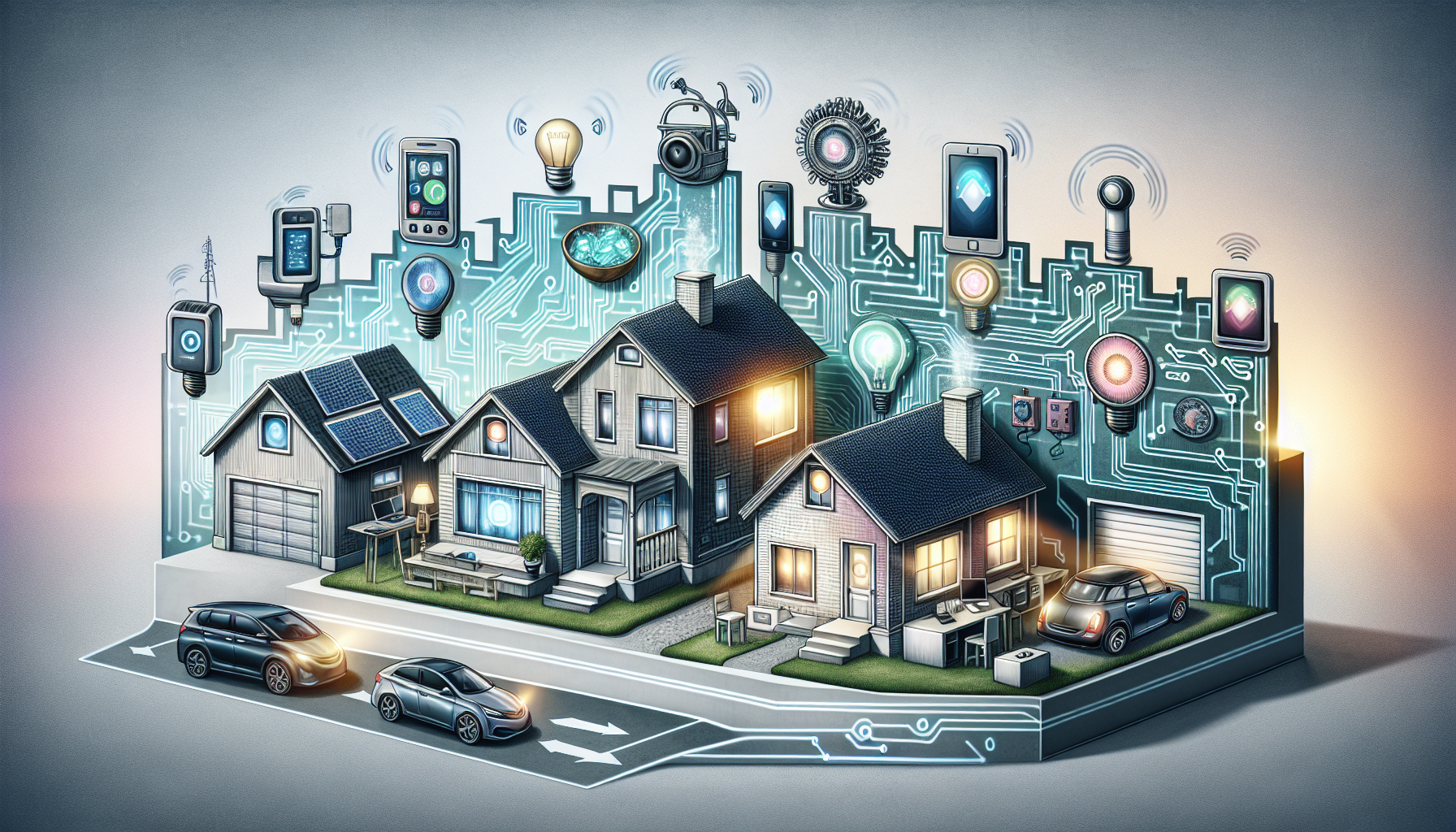
Smart homes are equipped with a variety of connected devices, such as smart thermostats, lighting systems, and security cameras. These devices communicate with each other through a central hub, often managed by AI. The interconnected ecosystem allows for automation and remote control, enhancing convenience and energy efficiency. Users can manage their home environment through mobile apps or voice commands, making everyday tasks simpler and more efficient.
Challenges and Considerations
Despite the benefits, the convergence of AI and IT in smart homes presents challenges. Privacy concerns are paramount, as smart devices collect and process vast amounts of personal data. Ensuring data security and user privacy is critical. Additionally, the complexity of integrating diverse technologies can pose technical challenges. It is essential for developers and users to be aware of these issues and work towards solutions that prioritize security and user trust.
4. Future Trends5. Conclusion
AI Evolution
The future of smart homes lies in the continuous evolution of AI technologies. As AI becomes more sophisticated, smart homes will offer even greater levels of automation and personalization. Emerging trends include the use of AI for predictive maintenance, where systems can anticipate and address issues before they occur. Additionally, AI will play a role in creating more sustainable living environments by optimizing resource usage and reducing waste.
The convergence of AI and IT is transforming the way we live, making homes smarter and more efficient.
As these technologies continue to evolve, they will offer new opportunities for innovation and improvement in our daily lives. Embracing these advancements requires a balance between leveraging technology and addressing the associated challenges. By doing so, we can create smart homes that are not only intelligent but also secure and sustainable.