Sustainable Living Spaces
Eco-friendly home design focuses on creating living spaces that are both sustainable and environmentally responsible. This approach involves using materials and practices that reduce the carbon footprint and promote energy efficiency. By integrating natural elements and renewable resources, eco-friendly homes aim to minimize environmental impact while enhancing the quality of life for their inhabitants.
Key Elements of Eco-Friendly Homes
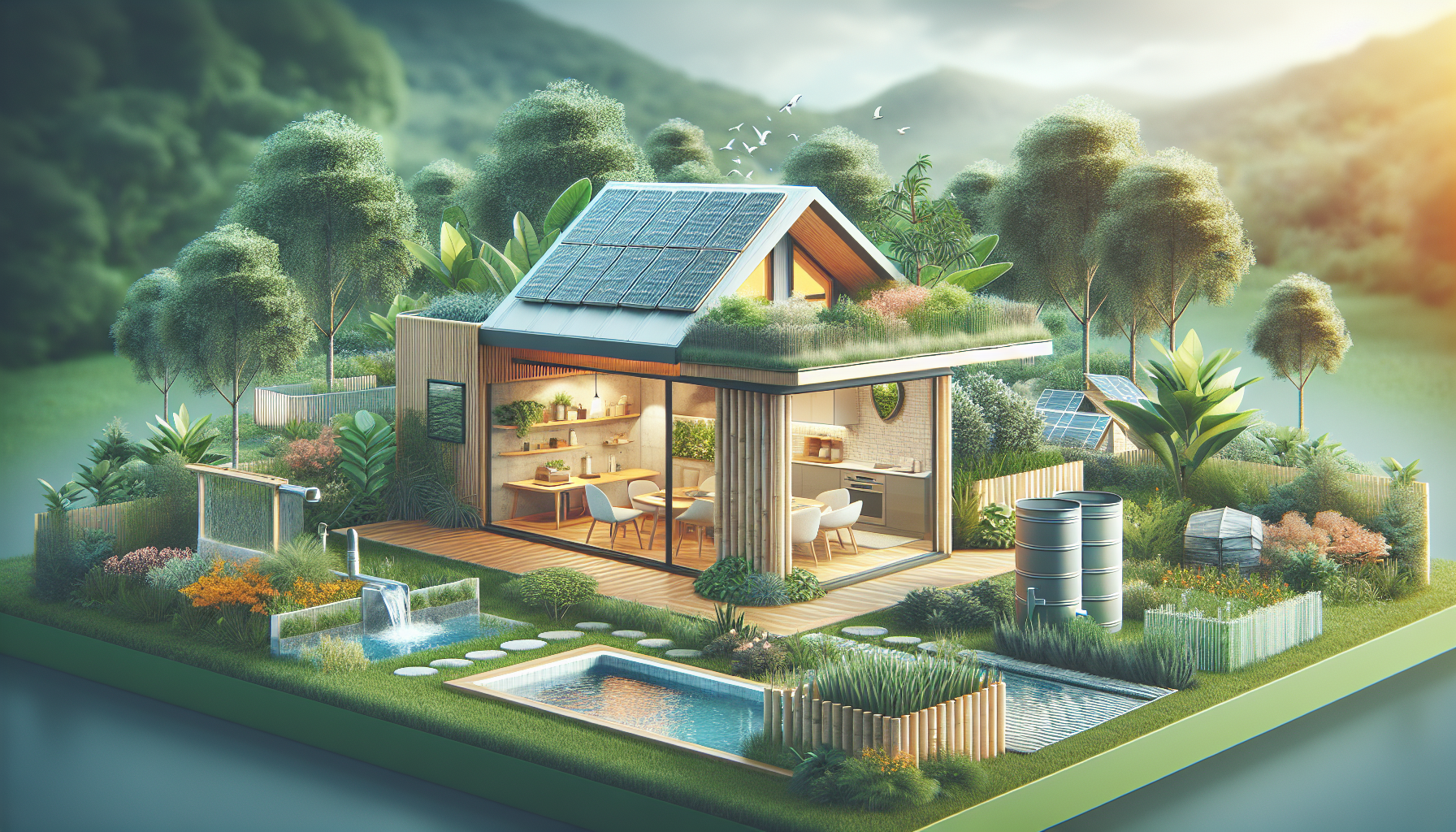
Designing an eco-friendly home involves several critical components. These include energy-efficient appliances, sustainable building materials, and innovative water management systems. Additionally, incorporating natural lighting and ventilation can significantly reduce energy consumption. Let’s explore these elements in detail:
Energy Efficiency
Energy-efficient appliances and systems are crucial for reducing energy consumption in homes. By using LED lighting, smart thermostats, and energy-efficient HVAC systems, homeowners can significantly lower their energy bills and reduce their carbon footprint.
Choosing sustainable materials is a cornerstone of eco-friendly home design. Materials such as bamboo, reclaimed wood, and recycled metal are not only durable but also have a lower environmental impact compared to traditional building materials. These materials help reduce waste and promote a circular economy.
Water Conservation
Implementing water-saving fixtures and systems is essential for sustainable living. Low-flow toilets, rainwater harvesting systems, and drought-resistant landscaping can significantly reduce water usage, conserving this precious resource for future generations.
Maximizing natural light and ventilation is a simple yet effective way to enhance energy efficiency. Large windows, skylights, and open floor plans allow for ample sunlight and airflow, reducing the need for artificial lighting and air conditioning. This not only saves energy but also creates a healthier indoor environment.
Renewable Energy Sources
Incorporating renewable energy sources, such as solar panels and wind turbines, can drastically reduce a home’s reliance on fossil fuels. These technologies provide clean, sustainable energy, further decreasing the home’s environmental impact.
Living in an eco-friendly home offers numerous benefits beyond environmental conservation. Homeowners can enjoy reduced utility bills, improved indoor air quality, and increased property value. Additionally, sustainable homes contribute to a healthier planet, ensuring a better future for generations to come.
Challenges and Considerations
While the benefits of eco-friendly homes are clear, there are challenges to consider. Initial costs for sustainable materials and technologies can be higher than conventional options. However, the long-term savings and environmental benefits often outweigh these initial investments. Homeowners should also consider local climate and regulations when designing their eco-friendly homes.
Community and Eco-Friendly Living
Creating eco-friendly communities can amplify the benefits of individual sustainable homes. Shared resources, community gardens, and green spaces foster a sense of community while promoting sustainable living practices.
The future of eco-friendly home design is promising, with advancements in technology and increased awareness driving innovation. Smart home systems, sustainable urban planning, and green building certifications are paving the way for more sustainable living environments. As more people embrace eco-friendly practices, the demand for sustainable homes will continue to grow.
Conclusion
Eco-friendly home design is not just a trend; it’s a necessary shift towards a more sustainable lifestyle. By incorporating energy-efficient systems, sustainable materials, and renewable energy sources, homeowners can create living spaces that are both environmentally responsible and economically beneficial. Embracing eco-friendly design is a step towards a healthier planet and a more sustainable future.