Navigating Insurance for Autonomous Vehicles
Autonomous vehicles, often referred to as self-driving cars, are equipped with advanced technologies that allow them to navigate and operate without human intervention. These vehicles use a combination of sensors, cameras, and artificial intelligence to interpret their surroundings and make driving decisions. As the technology continues to evolve, the integration of autonomous vehicles into everyday life presents unique challenges, particularly in the realm of insurance and liability.
The Shift in Liability
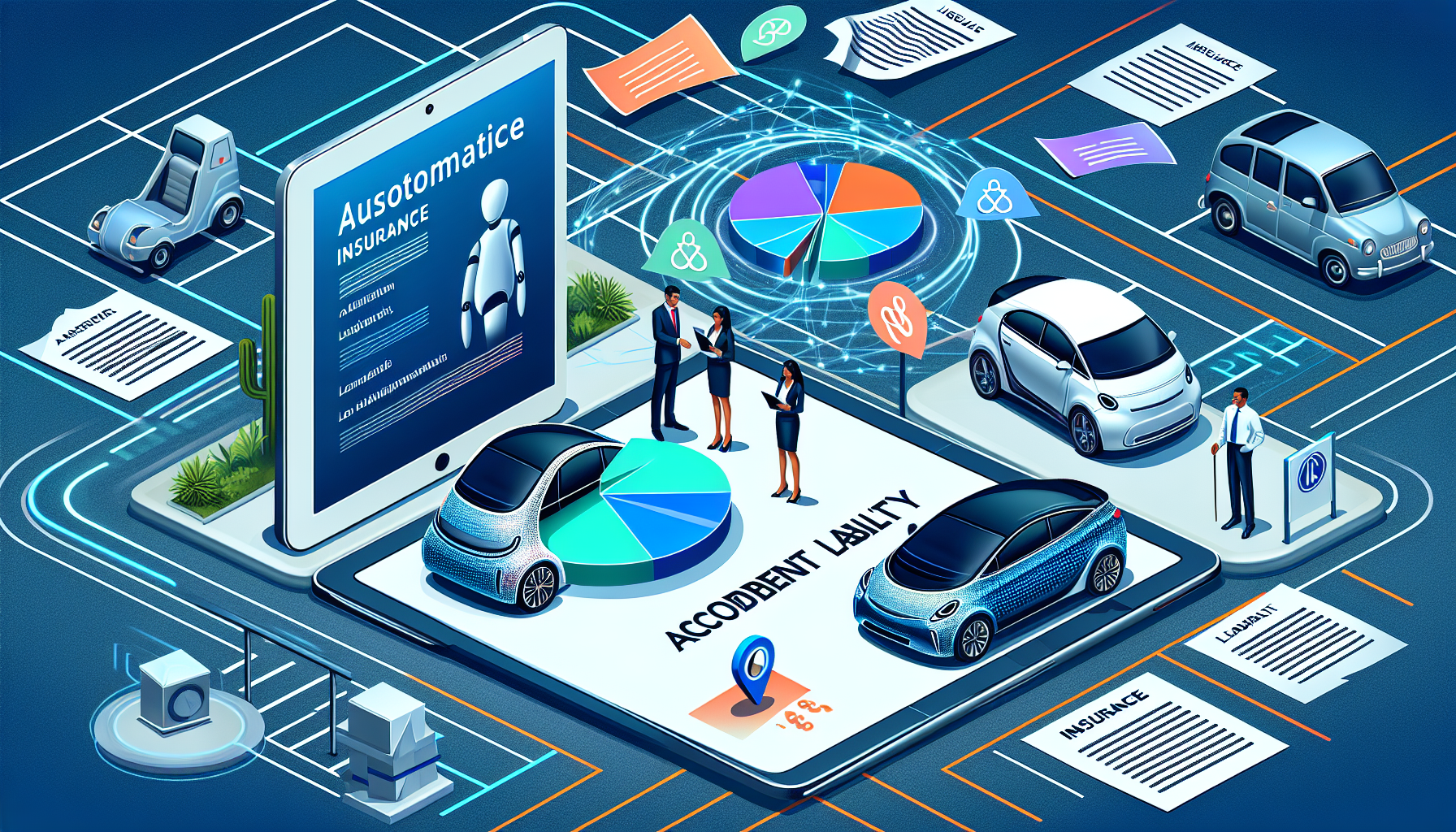
One of the most significant changes brought about by autonomous vehicles is the shift in accident liability. Traditionally, liability in car accidents falls on the driver. However, with autonomous vehicles, the question arises: who is responsible when a self-driving car is involved in an accident? This shift in liability from human drivers to potentially manufacturers or software developers necessitates a reevaluation of existing insurance models.
Liability Challenges
The introduction of autonomous vehicles complicates the traditional liability framework. In accidents involving these vehicles, determining fault can be challenging. Is it the vehicle owner, the manufacturer, or the software developer? This complexity requires a new approach to insurance policies and legal frameworks to ensure fair compensation and accountability.
As the automotive industry transitions towards autonomy, insurance companies are exploring new models to accommodate the unique risks associated with self-driving cars. Traditional insurance policies may not be sufficient to cover the complexities of autonomous vehicle operations. Insurers are considering product liability insurance, where manufacturers and software developers might bear more responsibility for accidents caused by vehicle malfunctions or software errors.
Compensation Systems
The compensation system for accidents involving autonomous vehicles also requires adaptation. Current systems are designed around human error, but with autonomous vehicles, the focus shifts to technological failures. This shift necessitates a robust framework that can address compensation claims efficiently and fairly, ensuring victims receive appropriate restitution without prolonged legal battles.
Future of Compensation
To address the unique challenges posed by autonomous vehicles, a new compensation system is essential. This system should streamline the claims process, reduce litigation, and ensure that victims receive timely and fair compensation. Collaboration between insurers, manufacturers, and regulators is crucial to developing a system that meets these needs.
The rise of autonomous vehicles also brings regulatory challenges. Governments and regulatory bodies must establish clear guidelines and standards for the operation and insurance of self-driving cars. These regulations should address liability, safety standards, and data privacy concerns, ensuring that autonomous vehicles are integrated safely and effectively into the transportation ecosystem.
Data Privacy and Security
Autonomous vehicles rely heavily on data collection and processing to function effectively. This reliance raises concerns about data privacy and security. Insurers and manufacturers must ensure that data collected by autonomous vehicles is protected and used responsibly. Regulations should mandate transparency in data usage and establish protocols for data protection to safeguard consumer privacy.
Ensuring Data Security
Data security is paramount in the era of autonomous vehicles. Manufacturers and insurers must implement robust security measures to protect sensitive data. Regulatory frameworks should enforce strict data protection standards to prevent unauthorized access and misuse, ensuring consumer trust in autonomous vehicle technology.
The advent of autonomous vehicles presents both opportunities and challenges for the insurance industry. As these vehicles become more prevalent, insurers, manufacturers, and regulators must collaborate to develop new models and frameworks that address the unique risks and liabilities associated with self-driving cars. By doing so, they can ensure that the transition to autonomous vehicles is smooth, safe, and beneficial for all stakeholders involved.