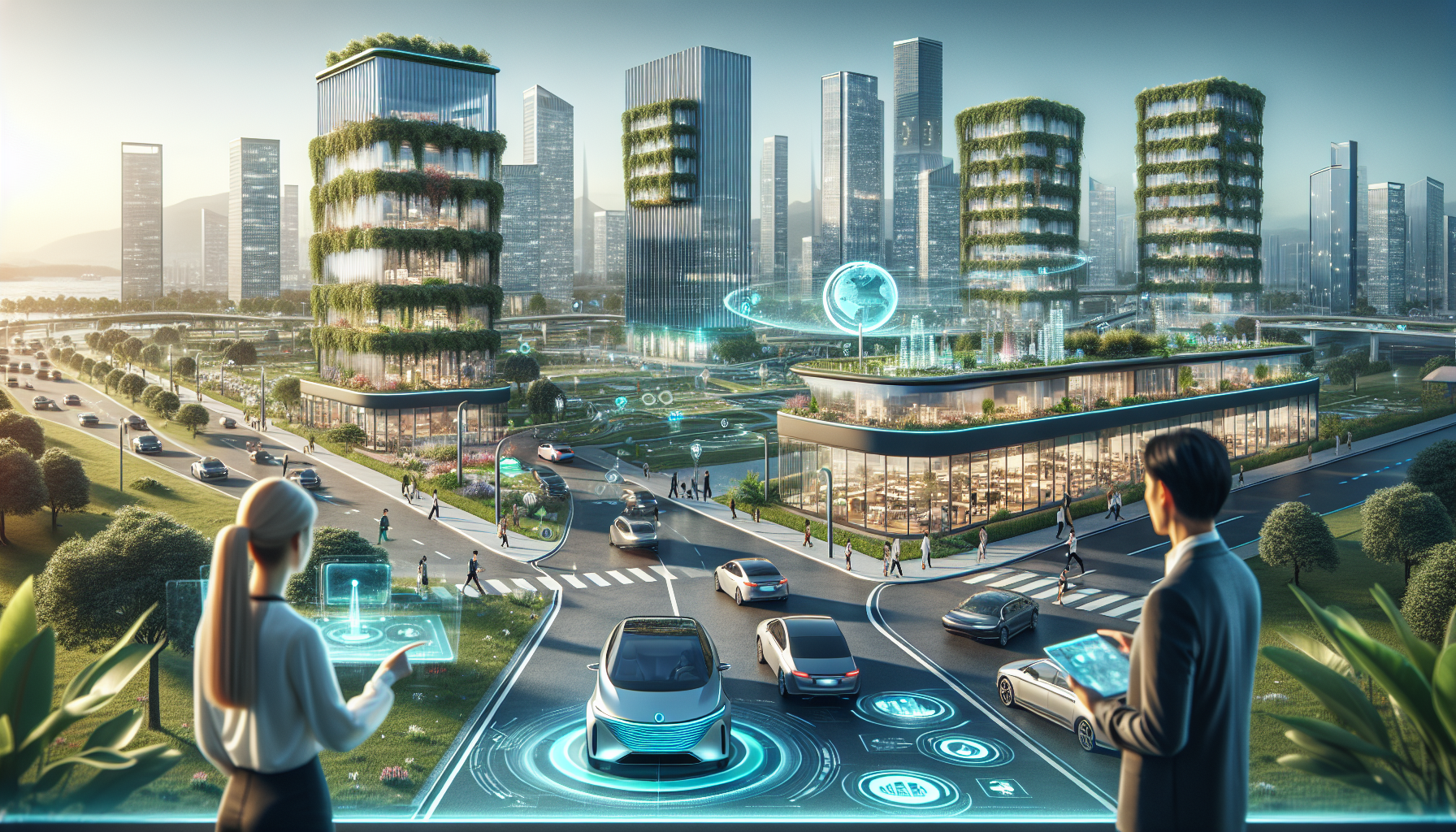
Self-Driving Cars and Smart Cities
The concept of smart cities is transforming urban landscapes across the globe. These cities leverage technology to enhance the quality of life for their residents, improve sustainability, and optimize urban services. At the heart of this transformation are **self-driving cars**, which promise to revolutionize transportation and, consequently, real estate development.
The Role of Self-Driving Cars
Self-driving cars, or autonomous vehicles, are equipped with advanced sensors and artificial intelligence to navigate without human intervention. These vehicles are expected to reduce traffic congestion, lower emissions, and improve road safety. As they become more prevalent, they will significantly impact how cities are designed and how real estate is developed.
Impact on Urban Planning
The integration of self-driving cars into urban environments will necessitate changes in urban planning. Parking spaces may become less critical, allowing for more green spaces and pedestrian-friendly areas. Additionally, the reduced need for personal car ownership could lead to a shift in housing demand, with more emphasis on shared living spaces and community-centric developments.
The advent of smart cities and self-driving cars presents unique opportunities for real estate developers. As transportation becomes more efficient, areas previously considered too remote may become attractive for development. This shift could lead to the revitalization of suburban and rural areas, offering new investment opportunities.
Challenges and Considerations
While the potential benefits are significant, there are challenges to consider. The transition to smart cities requires substantial investment in infrastructure and technology. Additionally, there are concerns about data privacy and security, as well as the need for regulatory frameworks to manage the deployment of autonomous vehicles.
Preparing for the Future
Real estate developers and urban planners must stay informed about technological advancements and regulatory changes. By embracing innovation and sustainability, they can create developments that are not only profitable but also contribute to the well-being of future generations.
The intersection of self-driving cars and smart cities represents a paradigm shift in real estate development. By understanding and adapting to these changes, stakeholders can capitalize on new opportunities and contribute to the creation of vibrant, sustainable urban environments. The future of real estate is intertwined with technology, and those who embrace this change will lead the way in shaping the cities of tomorrow.