Electric Vehicle Charging & Real Estate
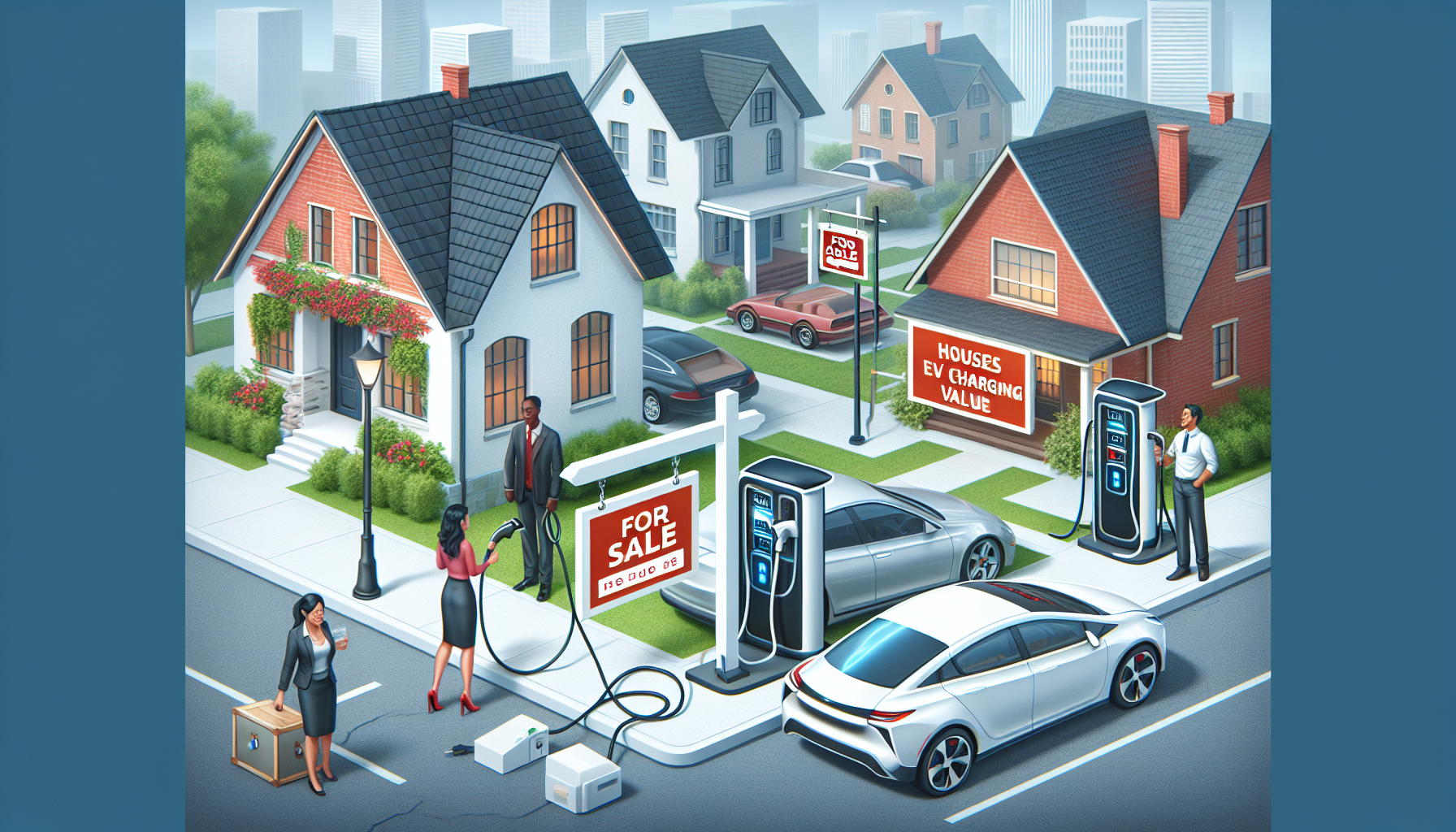
The rise of electric vehicles (EVs) has brought about a significant shift in the automotive industry, leading to increased demand for EV charging infrastructure. This demand is not only transforming transportation but also impacting real estate values. As more consumers opt for eco-friendly transportation, the availability of charging stations becomes a crucial factor in property valuation. **Understanding the role of EV charging infrastructure in real estate can provide insights into future market trends and investment opportunities.**
Why EV Charging Matters in Real Estate
The integration of EV charging stations into real estate properties offers several benefits. **Firstly, it enhances the property’s appeal to potential buyers or tenants who own electric vehicles.** Properties equipped with charging facilities are more attractive to environmentally conscious individuals and those looking to reduce their carbon footprint. **Secondly, it positions the property as forward-thinking and aligned with sustainable practices, which can be a significant selling point in today’s market.**
Boosting Property Value with EV Charging
Incorporating EV charging stations can significantly increase a property’s value. As the demand for electric vehicles grows, properties with charging infrastructure become more desirable, leading to higher market valuations. This trend is particularly evident in urban areas where EV adoption is more prevalent.
The economic implications of installing EV charging infrastructure are profound. **Real estate developers and investors are beginning to recognize the potential return on investment that comes with integrating these facilities.** Properties with charging stations can command higher rents and sale prices, as they cater to a growing demographic of EV owners. Moreover, government incentives and subsidies for installing EV infrastructure can offset initial costs, making it a financially viable option for property developers.
Challenges and Considerations
While the benefits are clear, there are challenges to consider when integrating EV charging infrastructure. **The initial installation cost can be significant, and property owners must evaluate the long-term benefits against these upfront expenses.** Additionally, the availability of space and the existing electrical capacity of a property can limit the feasibility of installing multiple charging stations. **It’s crucial for property developers to conduct thorough feasibility studies and consider future scalability when planning EV infrastructure.**
Future Outlook
The future of real estate is intertwined with the growth of electric vehicles. As EV adoption continues to rise, the demand for charging infrastructure will only increase. Properties that adapt to this trend will not only enhance their market value but also contribute to a more sustainable future.
The role of electric vehicle charging infrastructure in real estate is becoming increasingly significant. **As the world moves towards sustainable transportation solutions, properties equipped with EV charging stations are positioned to benefit from increased demand and higher valuations.** For real estate developers and investors, understanding and adapting to this trend is essential for staying competitive in the evolving market landscape. By embracing EV infrastructure, properties can not only enhance their value but also contribute to a greener, more sustainable future.