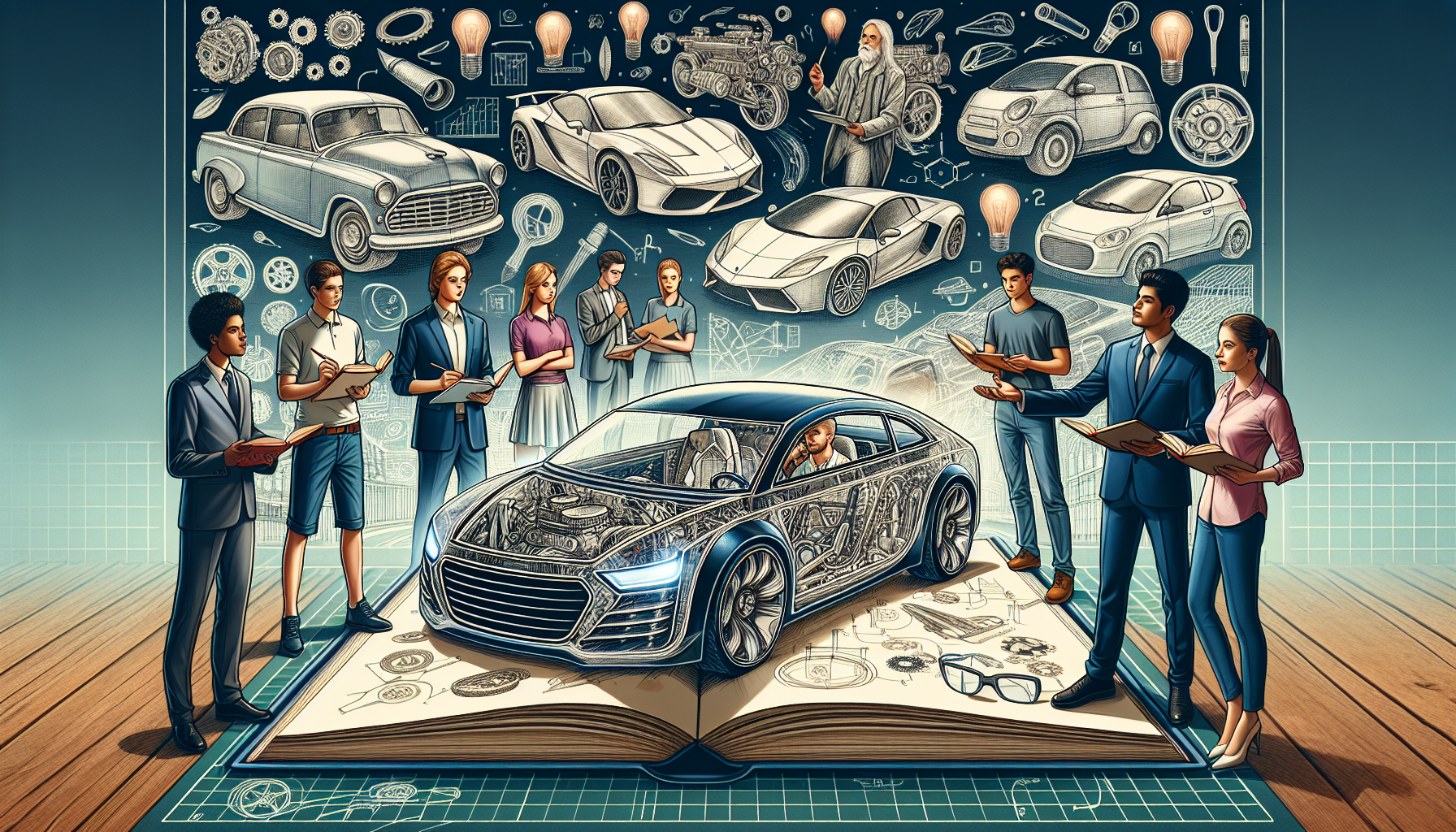
The Role of Education in Automobile Design
Automobile design is a complex field that combines art, engineering, and technology to create vehicles that are not only functional but also aesthetically pleasing. It involves the conceptualization, development, and production of vehicles, ensuring they meet safety standards, performance criteria, and consumer expectations. The design process is intricate, requiring a deep understanding of aerodynamics, materials science, and ergonomics.
The Need for Specialized Education
As the automotive industry evolves, the demand for skilled designers who can innovate and adapt to new technologies is increasing. Specialized education in automobile design is crucial for nurturing talent that can meet these demands. Programs often cover a wide range of topics, including sketching, 3D modeling, and the use of design software like CAD. Students learn to balance creativity with technical constraints, preparing them for the challenges of the industry.
Key Components of Automobile Design Education
1. **Technical Skills**: Mastery of design software and tools.
2. **Creative Thinking**: Ability to innovate and create unique designs.
3. **Industry Knowledge**: Understanding of market trends and consumer needs.
4. **Sustainability**: Incorporating eco-friendly practices in design.
5. **Collaboration**: Working effectively in multidisciplinary teams.
The future of automobile design is being shaped by several key trends. One of the most significant is the shift towards electric vehicles (EVs). Designers must now consider the unique requirements of EVs, such as battery placement and aerodynamics, to optimize performance and efficiency. Additionally, the rise of autonomous vehicles is influencing design priorities, with a focus on interior space and user experience.
Embracing Sustainability
Sustainability is becoming a central theme in automobile design. Designers are exploring new materials and processes to reduce the environmental impact of vehicles. This includes the use of recycled materials, lightweight composites, and sustainable manufacturing practices. Education programs are increasingly incorporating sustainability into their curricula, preparing students to create designs that are not only innovative but also environmentally responsible.
Innovative Materials in Automobile Design
– **Recycled Plastics**: Reducing waste and promoting recycling.
– **Biodegradable Materials**: Minimizing environmental impact.
– **Lightweight Composites**: Enhancing fuel efficiency and performance.
Technology is revolutionizing the way automobiles are designed. Advanced simulation tools allow designers to test and refine their concepts virtually, reducing the need for physical prototypes. Virtual reality (VR) and augmented reality (AR) are also being used to create immersive design experiences, enabling designers to visualize and interact with their creations in new ways.
The Role of Artificial Intelligence
Artificial intelligence (AI) is playing an increasingly important role in automobile design. AI can analyze vast amounts of data to identify trends and preferences, helping designers create vehicles that meet consumer demands. Additionally, AI-powered tools can automate routine tasks, allowing designers to focus on more creative aspects of their work.
AI Applications in Automobile Design
– **Data Analysis**: Understanding consumer preferences and market trends.
– **Design Automation**: Streamlining repetitive tasks and processes.
– **Predictive Modeling**: Anticipating future design needs and challenges.
The importance of automobile design education cannot be overstated. As the industry continues to evolve, the need for skilled designers who can navigate new technologies and trends is more critical than ever. By embracing specialized education and staying abreast of future trends, aspiring designers can play a pivotal role in shaping the future of the automotive industry. Whether it’s through the development of sustainable materials, the integration of cutting-edge technology, or the creation of innovative designs, the future of automobile design is bright and full of possibilities.