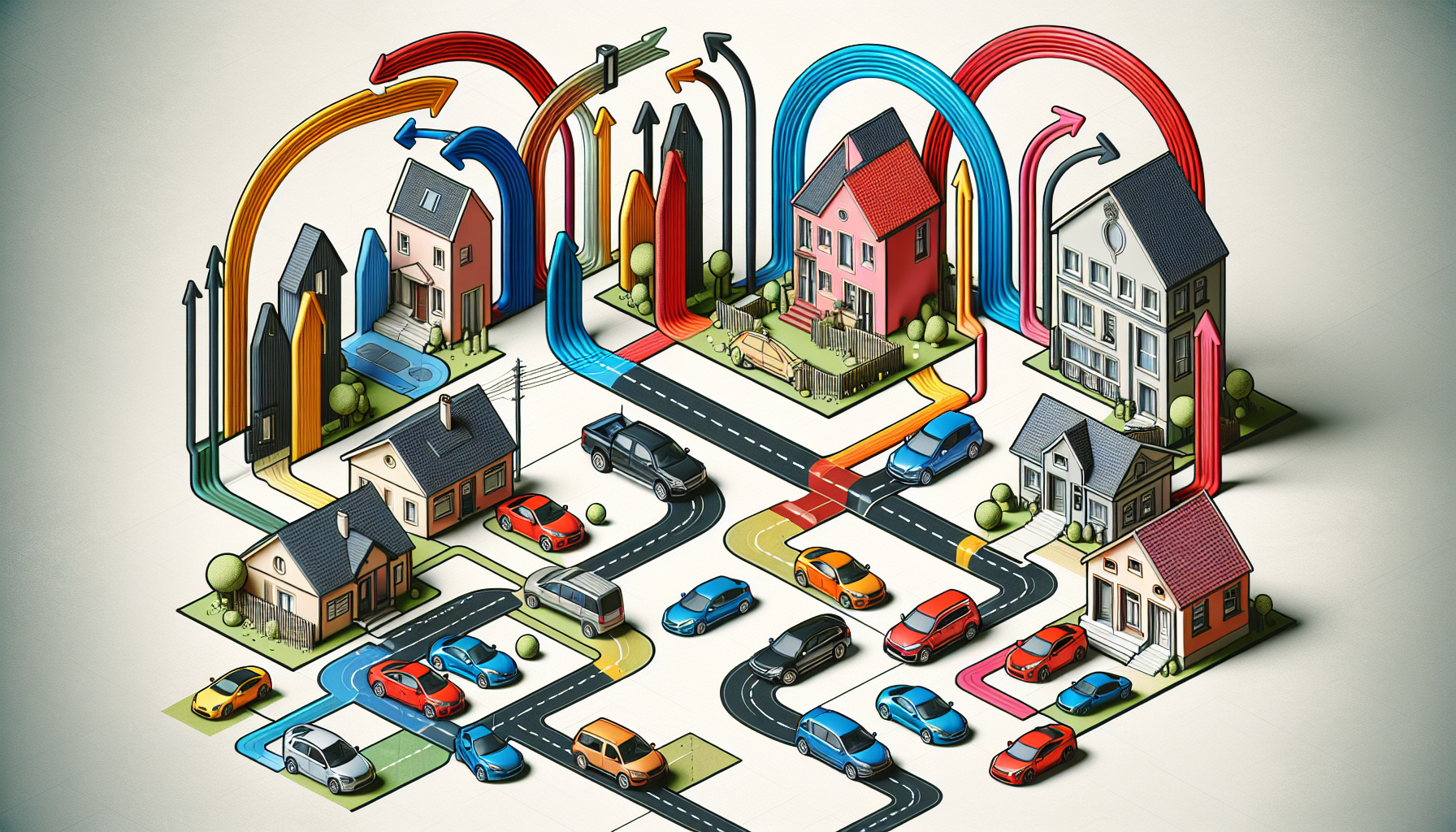
Exploring the Link Between Automobile Access and Housing Choices
The relationship between automobile accessibility and housing choice is a critical aspect of the real estate market. As urban areas expand and transportation networks evolve, the availability and convenience of automobile access significantly influence where people choose to live. This dynamic interplay affects housing demand, pricing, and the overall development of communities.
Impact on Housing Demand
Automobile accessibility plays a pivotal role in shaping housing demand. Areas with robust transportation infrastructure, including highways and public transit systems, often see increased interest from potential homeowners. The convenience of commuting to work, schools, and recreational areas makes these locations highly desirable. Consequently, properties in such areas tend to appreciate in value, reflecting the premium placed on accessibility.
The Role of Public Transit
Public transit systems complement automobile accessibility by providing alternative commuting options. Areas with integrated transit networks often attract a diverse population, including those who prefer not to rely solely on cars. This diversity can lead to vibrant communities with varied housing options, catering to different lifestyle preferences and economic backgrounds.
Urban planners and developers recognize the importance of automobile accessibility in shaping housing markets. As a result, many new developments are strategically located near major transportation hubs. This planning approach not only enhances the appeal of these areas but also supports sustainable growth by reducing traffic congestion and promoting efficient land use.
Challenges and Considerations
Despite the benefits, reliance on automobile accessibility presents challenges. Increased traffic congestion, environmental concerns, and the need for extensive infrastructure investment are significant considerations for policymakers and developers. Balancing the demand for accessible housing with sustainable urban growth requires careful planning and innovative solutions.
Future Trends in Housing and Transportation
As technology advances, the relationship between automobile accessibility and housing choice will continue to evolve. The rise of electric vehicles, autonomous cars, and smart city initiatives are set to redefine transportation networks and, consequently, housing markets. Staying informed about these trends is crucial for anyone involved in real estate or urban planning.
The interplay between automobile accessibility and housing choice is a defining factor in the real estate market. Understanding this relationship helps stakeholders make informed decisions, whether they are buying a home, investing in property, or planning urban developments. As cities grow and transportation technologies advance, this connection will remain a key consideration in shaping the future of housing.