
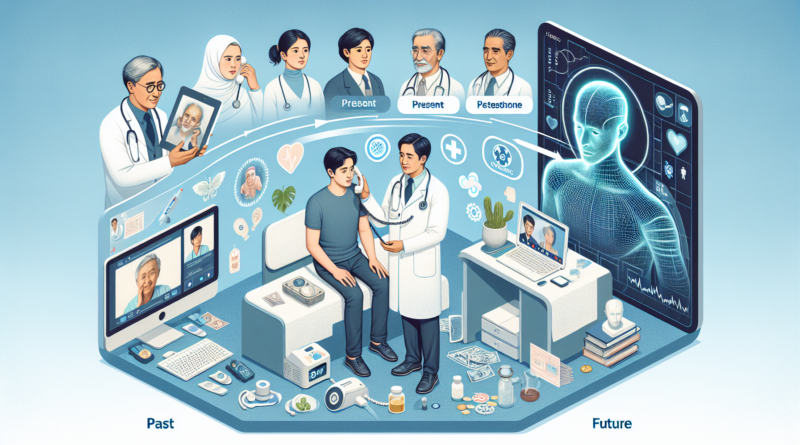
Medical Innovation: The Present and Future of Telemedicine
Telemed
1. Current Trends2. Tech Integration
Remote Consultations
Telemedicine has revolutionized how patients interact with healthcare providers. Remote consultations allow patients to receive medical advice without leaving their homes. This is particularly beneficial for those with mobility issues or living in remote areas. The convenience of scheduling appointments online and having virtual visits has increased access to healthcare services.
The integration of technology in telemedicine has enhanced diagnostic accuracy and patient monitoring.
Wearable devices and mobile apps now play a crucial role in tracking patient health metrics. These tools provide real-time data to healthcare professionals, enabling more precise treatment plans. The use of AI in analyzing patient data further supports personalized healthcare solutions.
3. Patient Experience4. Cost Efficiency
Improved Access
Telemedicine has significantly improved patient access to healthcare services. Patients can now consult specialists from different geographical locations without the need for travel. This is particularly advantageous for those requiring specialized care that may not be available locally. The ability to receive timely medical advice has improved patient outcomes and satisfaction.
Telemedicine offers a cost-effective solution for both patients and healthcare providers.
By reducing the need for physical infrastructure and minimizing travel expenses, telemedicine lowers the overall cost of healthcare. Patients save on transportation costs, while healthcare facilities can operate more efficiently with reduced overhead expenses. This economic benefit is a driving factor for the adoption of telemedicine services.
Final Thoughts
Telemedicine is reshaping the healthcare landscape, offering numerous benefits such as increased accessibility, cost efficiency, and improved patient experiences. However, challenges like data security and technological accessibility must be addressed to fully realize its potential. As technology continues to evolve, telemedicine will undoubtedly play a pivotal role in the future of healthcare.
