Advancements in Future Medical Technology and Their Impact on Our Lives
Med Tech
1. AI Diagnostics2. Wearable Tech3. Telemedicine
Revolutionizing Diagnosis
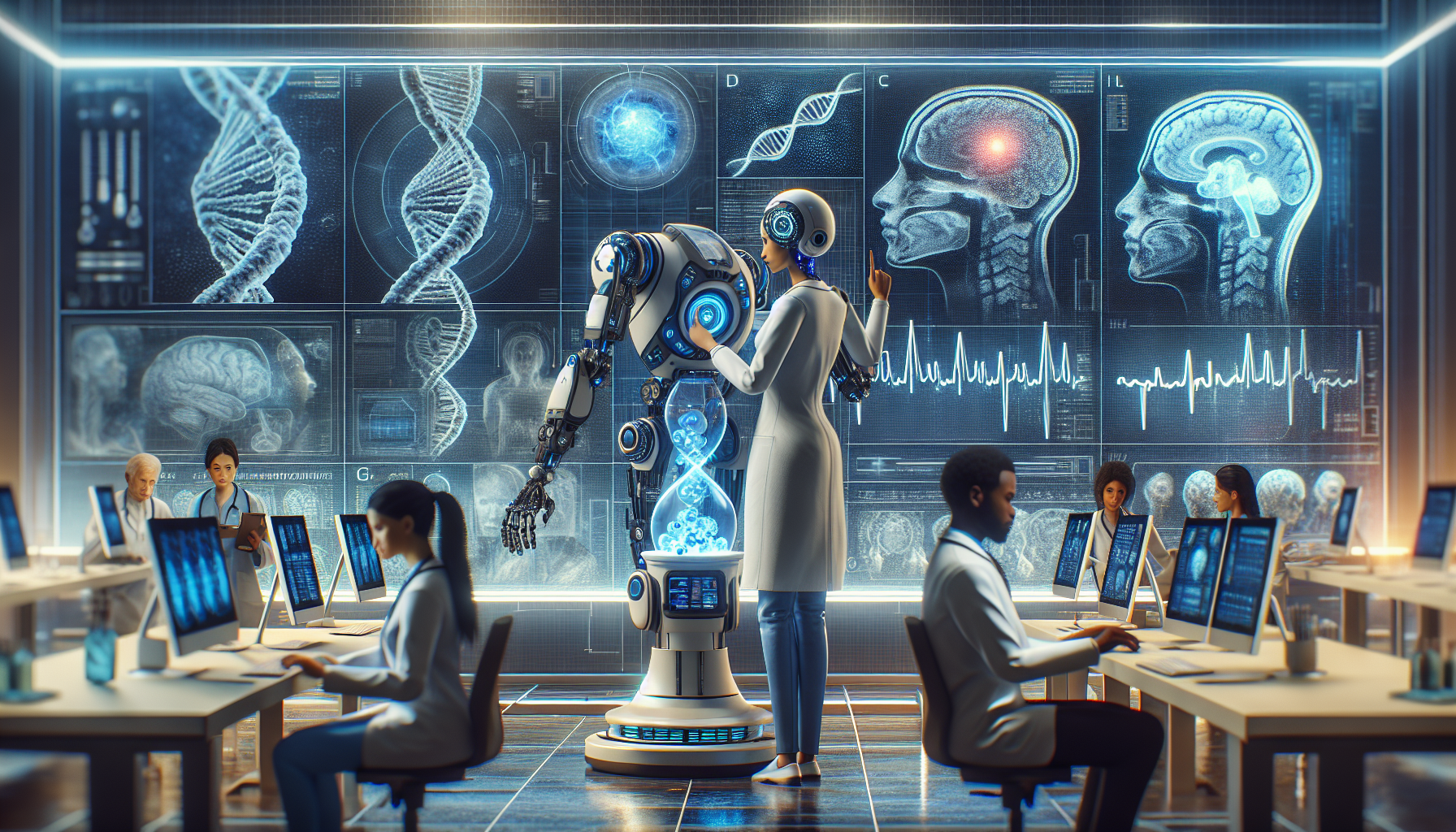
AI in diagnostics is transforming how diseases are detected and treated. Machine learning algorithms analyze medical images with remarkable accuracy, often surpassing human capabilities. This advancement allows for earlier detection of conditions such as cancer, significantly improving patient outcomes. By integrating AI into diagnostic processes, healthcare providers can offer more precise and personalized treatment plans.
Wearable devices are becoming integral to personal health monitoring, offering real-time data on vital signs.
These devices, such as smartwatches and fitness trackers, continuously monitor heart rate, sleep patterns, and physical activity. The data collected helps individuals make informed decisions about their health and lifestyle. Moreover, healthcare professionals can use this information to tailor interventions and monitor chronic conditions more effectively.
Remote Healthcare Access
Telemedicine has expanded access to healthcare, especially in remote and underserved areas. Through video consultations and remote monitoring, patients can receive medical advice and treatment without the need for physical visits. This technology reduces the burden on healthcare facilities and provides timely care, improving overall health outcomes.
4. Robotics5. Nanotechnology
Surgical Precision
Robotic surgery systems enhance the precision and control of surgical procedures. Surgeons can perform complex operations with minimal invasiveness, leading to faster recovery times and reduced risk of complications. These systems are particularly beneficial in delicate surgeries, such as those involving the brain or heart, where precision is paramount.
Nanotechnology is opening new frontiers in drug delivery and disease treatment.
By manipulating materials at the molecular level, researchers can create targeted therapies that deliver drugs directly to affected cells, minimizing side effects. This technology holds promise for treating cancer and other diseases with high precision, potentially transforming the landscape of medical treatment.
Final Thoughts
The future of medical technology is bright, with innovations that promise to enhance healthcare delivery and patient outcomes. As these technologies continue to evolve, they will play a crucial role in shaping the future of medicine. Embracing these advancements will require collaboration between technologists, healthcare providers, and policymakers to ensure that they are implemented effectively and ethically.