Analysis of the Impact of Smart Home Technology on Real Estate Value
Smart Home
1. Market Trends2. Energy Efficiency
Rising Demand
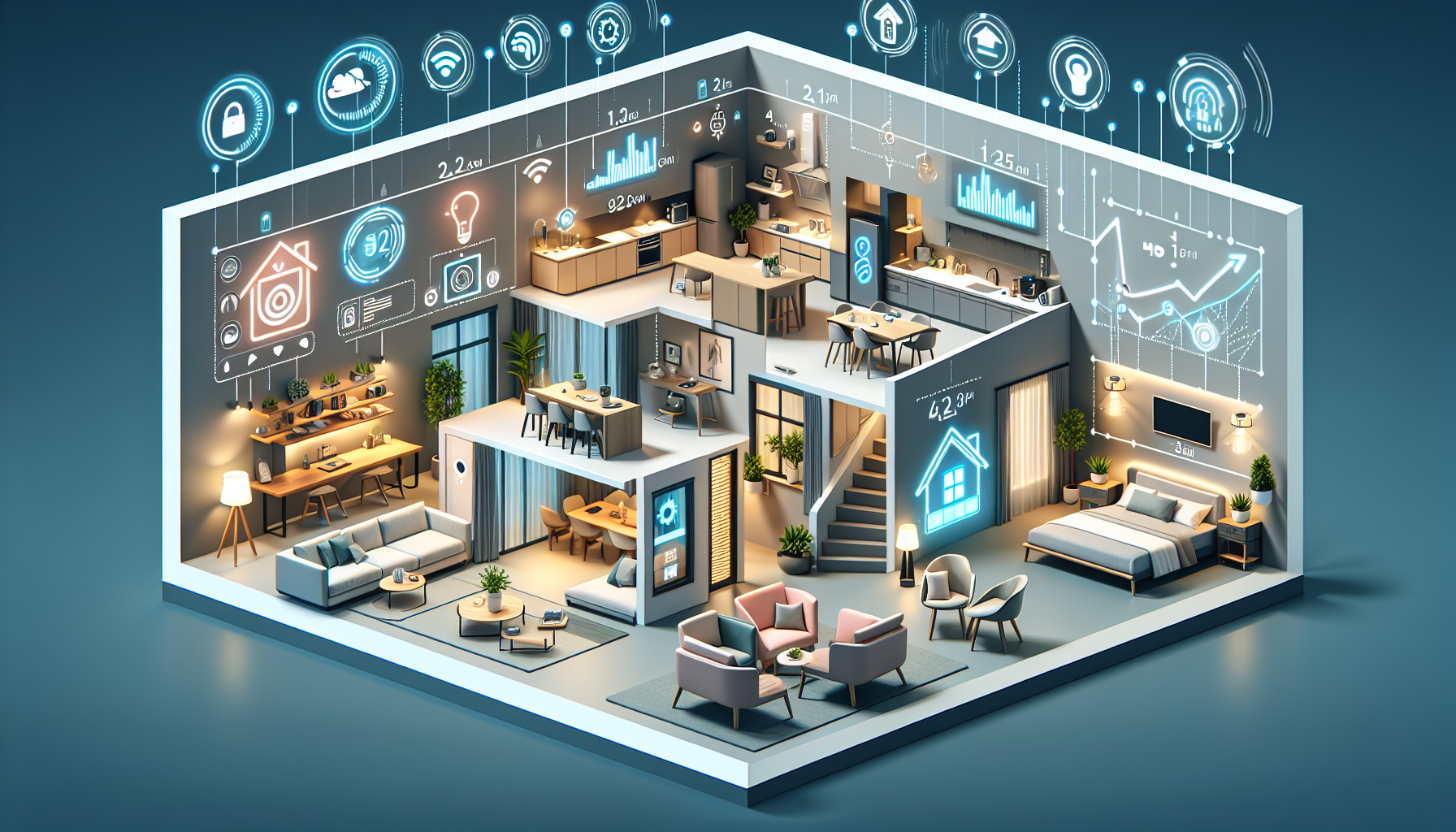
The integration of smart home technology is increasingly influencing real estate markets. Buyers are showing a preference for homes equipped with smart features. This trend is driven by the convenience and efficiency that smart technology offers. As a result, properties with advanced tech installations often see a rise in market value.
Smart homes contribute significantly to energy efficiency, which is a major selling point for eco-conscious buyers.
Devices like smart thermostats and lighting systems optimize energy use, reducing utility bills. This efficiency is not only attractive to buyers but also aligns with global sustainability goals. Homes with these features are often appraised higher due to their lower operational costs.
Energy-efficient homes are also eligible for various incentives and rebates, adding to their appeal. Buyers are increasingly aware of the long-term savings associated with smart technology. This awareness is driving a shift in market dynamics, with energy-efficient homes commanding higher prices.
Energy-efficient homes are also eligible for various incentives and rebates, adding to their appeal. Buyers are increasingly aware of the long-term savings associated with smart technology. This awareness is driving a shift in market dynamics, with energy-efficient homes commanding higher prices.
Challenges and Considerations
While smart home technology offers numerous benefits, there are challenges to consider. The rapid pace of technological advancement can lead to obsolescence, affecting long-term value. Additionally, privacy concerns related to data security can deter some buyers. It’s essential for homeowners to stay informed about updates and security measures to maintain their property’s appeal.