Lifestyle-Driven Smart Home Innovations
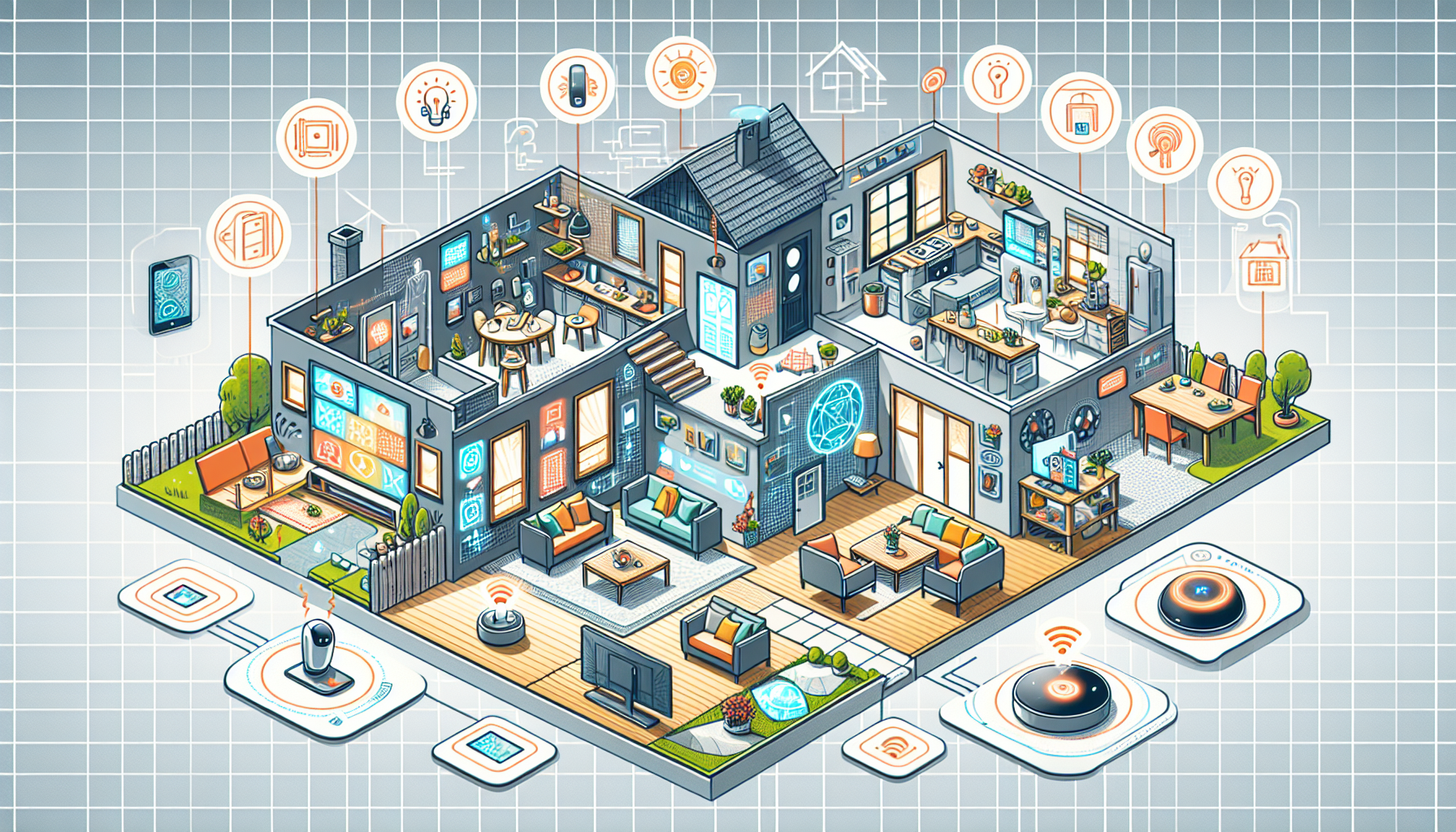
Smart home technology has evolved significantly, driven by changes in lifestyle and the increasing demand for convenience and efficiency. A smart home integrates various devices and systems, allowing homeowners to control lighting, heating, security, and entertainment systems remotely. This integration is made possible through the Internet of Things (IoT), which connects devices to the internet, enabling seamless communication and automation.
Impact of Lifestyle Changes
As lifestyles evolve, so do the demands placed on home environments. The rise of remote work, increased focus on sustainability, and the desire for enhanced security have all contributed to the advancement of smart home technologies. These changes have led to the development of more sophisticated systems that cater to the modern homeowner’s needs.
Remote Work and Smart Homes
The shift towards remote work has increased the need for smart home solutions that enhance productivity and comfort. Smart lighting systems that adjust based on natural light levels, automated climate control for optimal working conditions, and noise-canceling smart speakers are just a few examples of how technology is adapting to support remote workers.
With growing environmental awareness, smart home technology is increasingly focused on sustainability. Energy-efficient appliances, smart thermostats, and solar-powered systems are becoming standard in modern homes. These technologies not only reduce energy consumption but also lower utility bills, making them attractive to eco-conscious consumers.
Smart Security Systems
Security is a top priority for homeowners, and smart technology offers advanced solutions. From smart locks and video doorbells to comprehensive surveillance systems, these technologies provide peace of mind by allowing homeowners to monitor and control their home security from anywhere in the world.
The integration of health and wellness features into smart homes is another significant advancement. Smart air purifiers, water filtration systems, and even sleep monitoring devices contribute to a healthier living environment. These technologies are designed to improve the quality of life by ensuring that homes are not only comfortable but also conducive to well-being.
Entertainment and Connectivity
Entertainment systems have also seen remarkable advancements. Smart TVs, voice-activated assistants, and integrated sound systems provide a seamless entertainment experience. These technologies allow for personalized content delivery and easy access to a wide range of media, enhancing the overall home entertainment experience.
Looking ahead, the future of smart home technology is promising. With advancements in artificial intelligence and machine learning, smart homes are expected to become even more intuitive and responsive to the needs of their inhabitants. The integration of virtual reality and augmented reality could further transform how we interact with our living spaces.
Conclusion
Smart home technology is rapidly advancing, driven by lifestyle changes and technological innovations. As these technologies continue to evolve, they will play an increasingly important role in shaping the way we live, work, and interact with our homes. Embracing these advancements can lead to a more convenient, efficient, and sustainable lifestyle.