Transforming Patient Diagnosis with AI
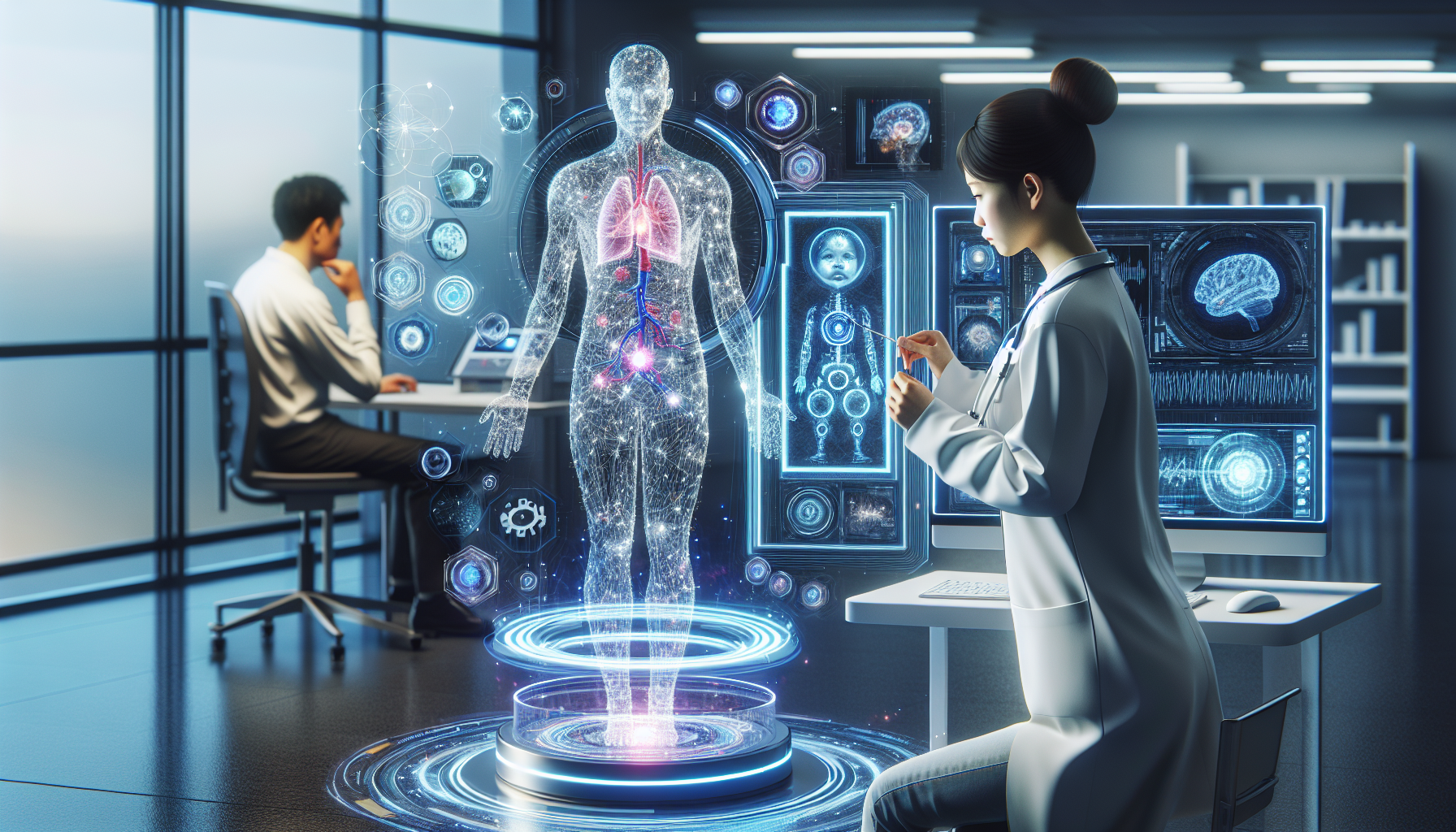
Artificial Intelligence (AI) is revolutionizing the medical field, particularly in patient diagnosis. By leveraging machine learning algorithms and vast datasets, AI systems can analyze complex medical data with unprecedented speed and accuracy. This transformation is not only enhancing diagnostic processes but also paving the way for personalized medicine.
AI’s Role in Diagnostic Accuracy
AI technologies have significantly improved the accuracy of diagnoses. Machine learning models are trained on extensive datasets, enabling them to identify patterns and anomalies that might be missed by human eyes. For instance, AI systems can analyze medical images such as X-rays, MRIs, and CT scans to detect early signs of diseases like cancer, often with greater precision than traditional methods.
AI in Radiology
Radiology is one of the fields where AI has made a substantial impact. AI algorithms can quickly process and interpret imaging data, providing radiologists with detailed insights and reducing the time needed for analysis. This not only speeds up the diagnostic process but also enhances the accuracy of detecting conditions such as tumors and fractures.
AI is a key driver in the shift towards personalized medicine. By analyzing a patient’s genetic information, lifestyle, and medical history, AI systems can tailor treatment plans that are specific to the individual’s needs. This personalized approach increases the effectiveness of treatments and minimizes potential side effects, leading to better patient outcomes.
Challenges and Ethical Considerations
Despite its benefits, the integration of AI in patient diagnosis comes with challenges. Data privacy is a major concern, as AI systems require access to sensitive patient information. Ensuring the security of this data is paramount. Additionally, there are ethical considerations regarding the reliance on AI for critical medical decisions. It is essential to maintain a balance between AI assistance and human oversight to ensure patient safety and trust.
Ethical AI Use
The ethical use of AI in healthcare is crucial. Establishing guidelines and regulations to govern AI applications can help mitigate risks and ensure that AI technologies are used responsibly. Collaboration between technologists, healthcare professionals, and policymakers is necessary to create a framework that prioritizes patient welfare.
The future of AI in patient diagnosis is promising. As technology advances, AI systems will become even more sophisticated, offering deeper insights into complex medical conditions. The integration of AI with other emerging technologies, such as the Internet of Medical Things (IoMT) and blockchain, could further enhance diagnostic capabilities and data security.
Conclusion
AI is undeniably transforming patient diagnosis in the medical field. Its ability to process vast amounts of data quickly and accurately is revolutionizing how diseases are detected and treated. While challenges remain, the potential benefits of AI in healthcare are immense. By addressing ethical and privacy concerns, the medical community can harness the full potential of AI to improve patient care and outcomes.
Embrace AI in Healthcare
The integration of AI in healthcare is a game-changer. By embracing AI technologies, medical professionals can enhance diagnostic accuracy, personalize treatments, and ultimately improve patient care. As we move forward, it is crucial to continue exploring and refining AI applications to ensure they align with ethical standards and patient needs.