Wearable Devices in Health Management
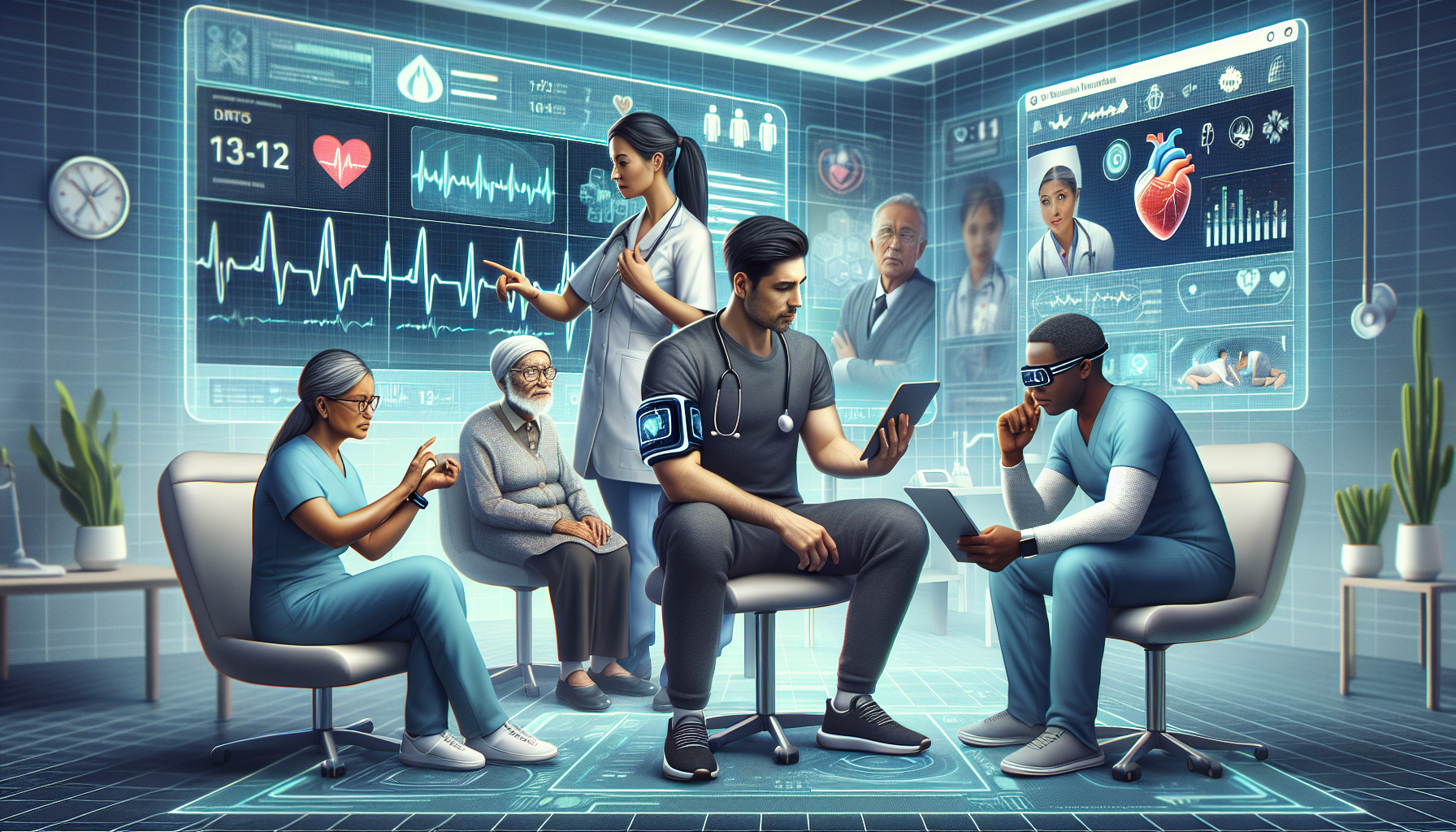
The integration of technology into healthcare has revolutionized the way we monitor and manage health. **Smart healthcare** involves the use of advanced technologies, such as wearable devices, to enhance patient care and improve health outcomes. These devices provide real-time data, allowing for continuous monitoring and personalized health management.
Types of Wearable Devices
Wearable devices come in various forms, each designed to monitor different aspects of health. **Fitness trackers** are popular for tracking physical activity, heart rate, and sleep patterns. **Smartwatches** offer similar features but with additional functionalities like ECG monitoring and blood oxygen level measurement. **Medical-grade wearables** are used for more specific health conditions, such as glucose monitors for diabetes management or wearable ECG monitors for cardiac patients.
Benefits of Wearable Devices
Wearable devices provide numerous benefits in health management. They enable continuous monitoring, which can lead to early detection of health issues. This proactive approach allows for timely interventions, potentially reducing the severity of health problems. Additionally, wearables promote patient engagement by encouraging individuals to take an active role in their health management.
While wearable devices offer significant advantages, they also raise concerns about data privacy and security. The vast amount of personal health data collected by these devices needs to be protected to prevent unauthorized access and misuse. **Ensuring data privacy** is crucial for maintaining user trust and encouraging widespread adoption of wearable technology.
Future of Wearable Technology in Healthcare
The future of wearable technology in healthcare is promising, with continuous advancements expected in the coming years. **Artificial intelligence (AI)** and machine learning are being integrated into wearable devices to provide more accurate and personalized health insights. These technologies can analyze large datasets to identify patterns and predict potential health issues before they arise.
Challenges and Opportunities
Despite the potential of wearable devices, challenges remain in terms of device accuracy, user compliance, and integration with existing healthcare systems. However, these challenges also present opportunities for innovation and improvement. By addressing these issues, wearable technology can become an integral part of the healthcare ecosystem, offering enhanced patient care and improved health outcomes.
Wearable devices are transforming the landscape of healthcare by providing real-time data and personalized health management. While challenges exist, the benefits of these devices in promoting proactive health management and patient engagement are undeniable. As technology continues to evolve, wearable devices will play an increasingly important role in the future of healthcare, offering new possibilities for improving health and well-being.