Protecting Medical Data: Privacy and Ethics
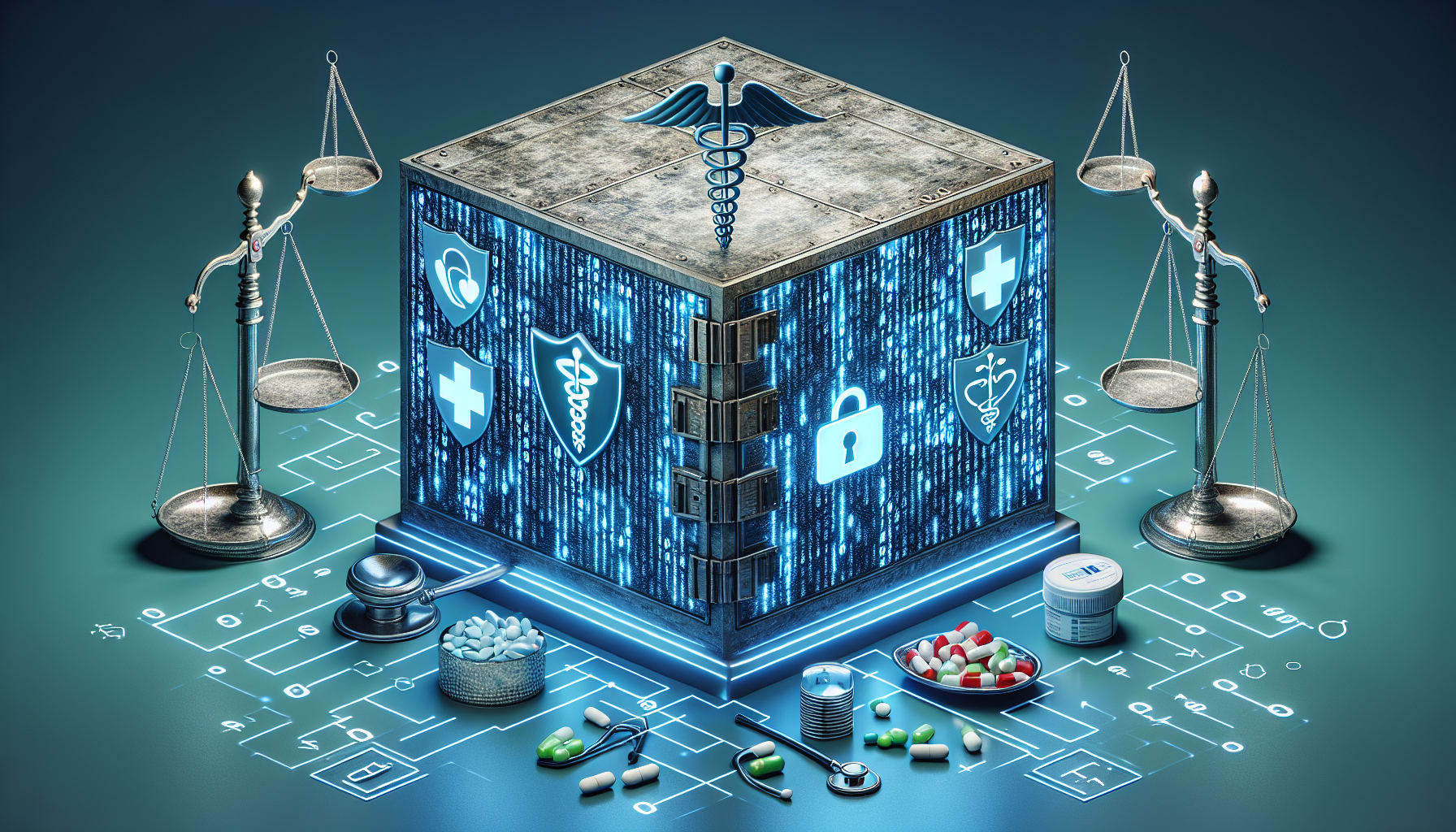
Medical data security is a critical aspect of healthcare that ensures the protection of sensitive patient information. With the increasing digitization of health records, safeguarding this data from unauthorized access and breaches is paramount. Medical data includes personal health information (PHI), which is any information about health status, provision of healthcare, or payment for healthcare that can be linked to an individual. This data is often stored in electronic health records (EHRs) and must be protected to maintain patient confidentiality and trust.
Challenges in Medical Data Security
The healthcare industry faces numerous challenges in securing medical data. One of the primary challenges is the **
increasing sophistication of cyberattacks **. Hackers are continually developing new methods to infiltrate healthcare systems, making it essential for organizations to stay ahead with robust security measures. Additionally, the **
complexity of healthcare networks ** adds to the difficulty of securing data, as these networks often involve multiple stakeholders, including hospitals, insurance companies, and third-party vendors.
Another significant challenge is the ** need for interoperability **. As healthcare providers strive to improve patient care through data sharing, ensuring that this data remains secure across different platforms and systems becomes increasingly complex. Balancing the need for data accessibility with stringent security measures is a delicate task that requires careful planning and execution.
Key Strategies for Enhancing Medical Data Security
1. ** Implementing Strong Access Controls **: Limiting access to sensitive data to only those who need it for their job functions.
2. ** Regular Security Audits **: Conducting frequent audits to identify vulnerabilities and ensure compliance with security protocols.
3. ** Data Encryption **: Encrypting data both in transit and at rest to protect it from unauthorized access.
4. ** Employee Training **: Educating staff on the importance of data security and best practices for protecting sensitive information.
5. ** Incident Response Planning **: Developing a comprehensive plan to respond quickly and effectively to data breaches.
Beyond the technical aspects, medical data security also involves significant ethical considerations. **
Patient autonomy ** is a fundamental ethical principle that must be respected. Patients have the right to control their personal health information, including who has access to it and how it is used. Healthcare providers must ensure that patients are informed about how their data is being handled and obtain their consent before sharing it with third parties.
Another ethical consideration is ** equity in data protection **. All patients, regardless of their socioeconomic status, should have their data protected equally. This means that healthcare organizations must ensure that their security measures are applied consistently across all patient records, without discrimination.
The Role of Regulations in Medical Data Security
Regulations play a crucial role in ensuring the security and privacy of medical data. In the United States, the Health Insurance Portability and Accountability Act (HIPAA) sets the standard for protecting sensitive patient information. HIPAA requires healthcare providers to implement administrative, physical, and technical safeguards to ensure the confidentiality, integrity, and availability of electronic protected health information (ePHI).
Similarly, the General Data Protection Regulation (GDPR) in the European Union provides a comprehensive framework for data protection, including medical data. GDPR emphasizes the importance of obtaining explicit consent from individuals before processing their data and mandates that organizations implement appropriate security measures to protect personal data.
Conclusion: The Future of Medical Data Security
As technology continues to evolve, so too will the challenges and opportunities in medical data security. Healthcare organizations must remain vigilant and proactive in their efforts to protect patient data, balancing the need for innovation with the ethical obligation to safeguard privacy. By implementing robust security measures and adhering to regulatory requirements, the healthcare industry can ensure that patient trust is maintained and that sensitive medical data remains secure.