Eco-Friendly Automotive Technology
Electric vehicles (EVs) are at the forefront of eco-friendly automotive technology. With zero emissions, they offer a sustainable alternative to traditional gasoline-powered cars. The adoption of EVs is driven by advancements in battery technology, which have significantly increased their range and efficiency. As governments worldwide implement stricter emissions regulations, the demand for EVs continues to rise, making them a crucial component in reducing the carbon footprint of the transportation sector.
Innovative Materials and Design
Automakers are increasingly using sustainable materials in vehicle production. From recycled plastics to natural fibers, these materials reduce environmental impact and enhance vehicle recyclability. Additionally, lightweight design innovations contribute to improved fuel efficiency. By reducing vehicle weight, manufacturers can decrease energy consumption, further promoting sustainability in the automotive industry.
The Future of Automotive Sustainability
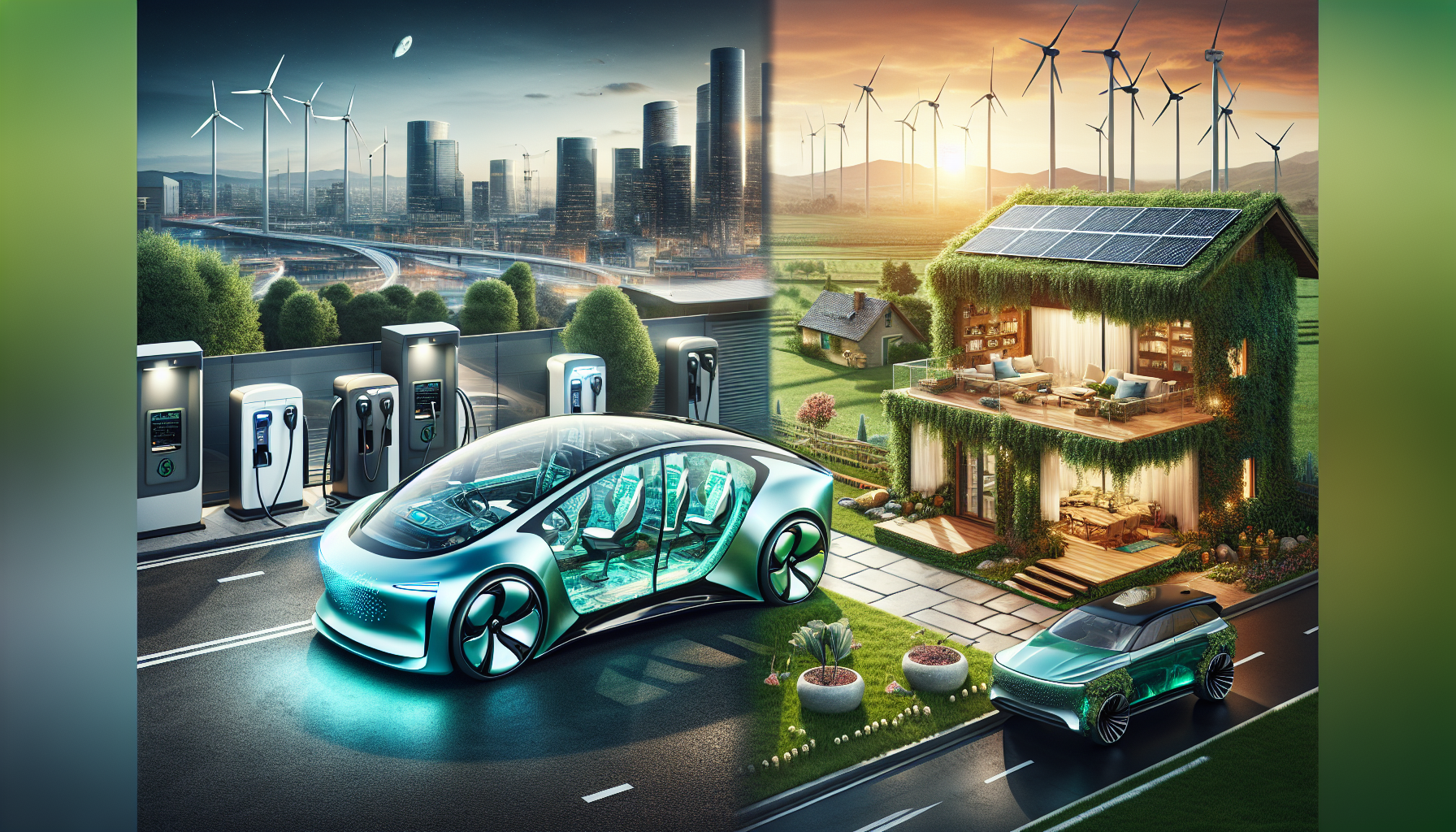
The future of eco-friendly automotive technology lies in the integration of renewable energy sources, such as solar and wind, to power electric vehicles. As infrastructure for charging stations expands and battery technology advances, the transition to a more sustainable transportation system becomes increasingly feasible. Embracing these technologies not only benefits the environment but also offers economic advantages through reduced fuel costs and maintenance.
Sustainable Real Estate Investment
Sustainable real estate investment focuses on properties that incorporate green building practices. These practices include energy-efficient designs, sustainable materials, and water conservation systems. Buildings that achieve certifications such as LEED (Leadership in Energy and Environmental Design) are highly sought after by investors due to their lower operating costs and increased market value. Green buildings not only reduce environmental impact but also provide healthier living and working environments for occupants.
Renewable Energy Integration
Incorporating renewable energy sources into real estate developments is a key trend in sustainable investment. Solar panels, wind turbines, and geothermal systems are being integrated into residential and commercial properties to reduce reliance on non-renewable energy. These systems not only lower energy costs but also increase property value, making them attractive to eco-conscious investors. The integration of smart grid technology further enhances energy efficiency by optimizing energy use and reducing waste.
Investing in a Sustainable Future
Investing in sustainable real estate offers numerous benefits, including long-term cost savings, increased property value, and positive environmental impact. As awareness of climate change grows, the demand for eco-friendly properties is expected to rise, providing lucrative opportunities for investors. By prioritizing sustainability, investors can contribute to a greener future while achieving financial success.
The intersection of eco-friendly automotive technology and sustainable real estate investment presents opportunities for collaborative innovations. For instance, the development of EV charging stations in residential and commercial properties can enhance the appeal of both sectors. By integrating charging infrastructure into building designs, real estate developers can attract environmentally conscious tenants and buyers, while supporting the growth of the EV market.
Shared Goals for Sustainability
Both the automotive and real estate sectors share common goals of reducing carbon emissions and promoting sustainability. By working together, these industries can create synergies that amplify their impact. For example, real estate developments that prioritize sustainable transportation options, such as bike-sharing programs and public transit accessibility, can complement the adoption of eco-friendly vehicles. This holistic approach to sustainability benefits communities by reducing pollution and enhancing quality of life.
A Unified Approach to Sustainability
The collaboration between eco-friendly automotive technology and sustainable real estate investment is essential for achieving a sustainable future. By aligning their efforts, these sectors can drive significant environmental and economic benefits. Embracing a unified approach to sustainability not only addresses pressing environmental challenges but also creates opportunities for innovation and growth.