Exploring Market Volatility
Market volatility refers to the rate at which the price of assets increases or decreases for a given set of returns. In the context of real estate and car leasing, volatility can significantly impact consumer behavior and investment strategies. **Real estate market volatility** often reflects broader economic conditions, influencing consumer confidence and spending power. Similarly, the car leasing market is sensitive to economic shifts, as leasing decisions are closely tied to disposable income and financial stability.
Interconnection of Markets
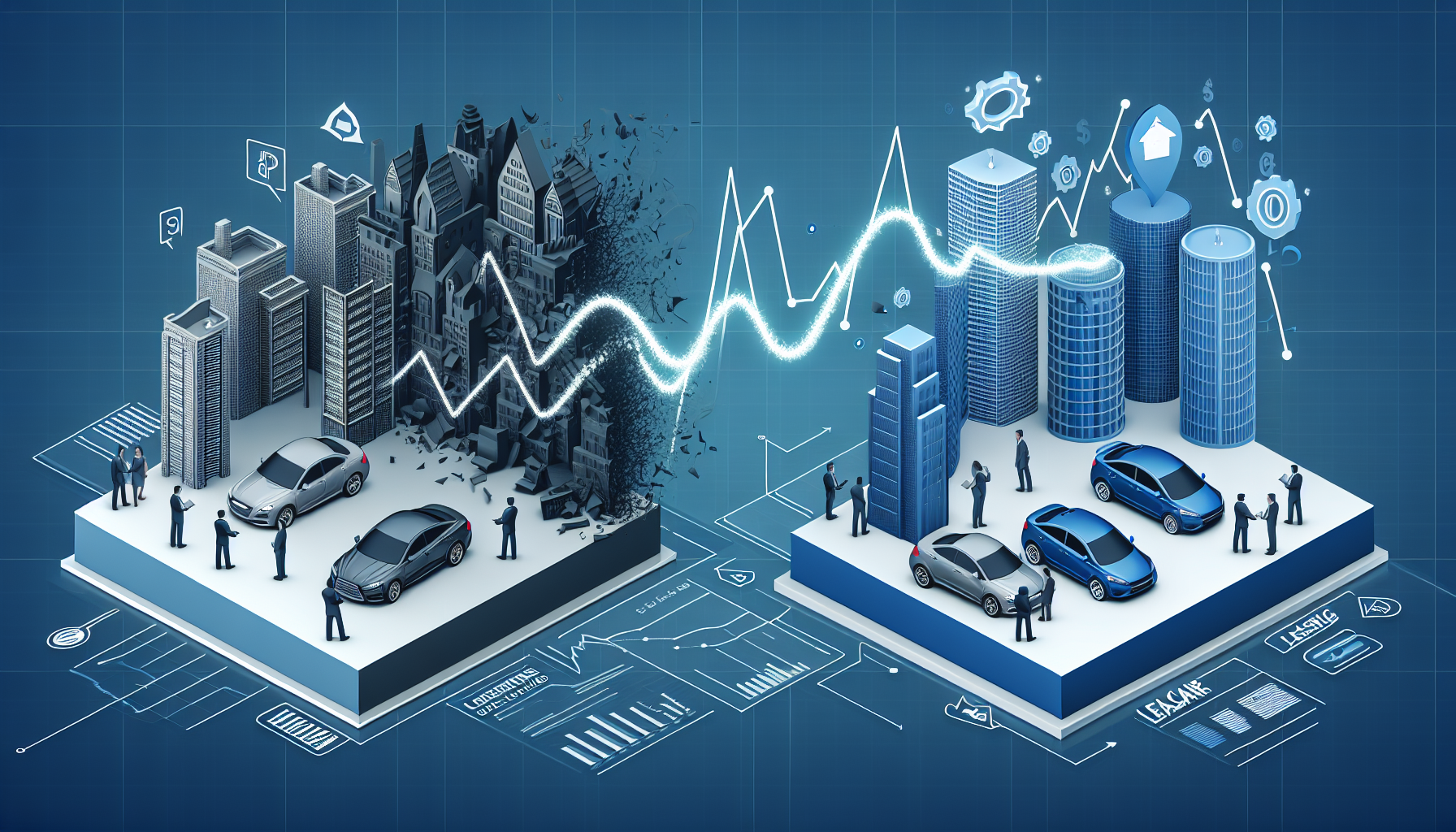
The relationship between the real estate market and the car leasing market is intricate. When the real estate market experiences volatility, it can lead to changes in consumer spending habits. For instance, during a real estate boom, individuals may feel wealthier and more inclined to lease luxury vehicles. Conversely, during a downturn, consumers might opt for more economical leasing options or delay leasing altogether. This **interconnection** highlights how fluctuations in one market can ripple through to another, affecting consumer choices and market dynamics.
Impact of Economic Conditions
Economic conditions play a crucial role in shaping both the real estate and car leasing markets. Interest rates, employment rates, and inflation are key factors that influence market stability. When interest rates are low, borrowing costs decrease, encouraging investments in real estate and making car leasing more attractive. However, rising interest rates can dampen market activity, leading to increased volatility.
Consumer behavior in response to market volatility is a critical aspect of understanding these markets. During periods of economic uncertainty, consumers tend to be more cautious with their spending. This caution can lead to a preference for leasing over purchasing, as leasing typically requires a lower upfront cost and offers flexibility. Additionally, **real estate market trends** can influence where consumers choose to live, which in turn affects their transportation needs and leasing decisions.
Investment Strategies
Investors in both real estate and car leasing markets must navigate volatility with strategic planning. Diversification is a common strategy to mitigate risk, as it allows investors to spread their investments across different asset classes. In the real estate market, this might involve investing in various property types or geographic locations. In the car leasing market, diversification could mean offering a range of vehicle options to appeal to different consumer segments. By understanding the relationship between these markets, investors can make informed decisions that align with their risk tolerance and financial goals.
Future Outlook
The future of the real estate and car leasing markets will likely continue to be influenced by technological advancements and changing consumer preferences. Innovations such as smart home technology and electric vehicles are reshaping these industries, offering new opportunities and challenges. As these markets evolve, staying informed about trends and developments will be essential for both consumers and investors.
The relationship between real estate market volatility and the car leasing market is complex and multifaceted. Understanding this relationship requires a comprehensive analysis of economic conditions, consumer behavior, and investment strategies. By recognizing the interconnectedness of these markets, stakeholders can better navigate volatility and capitalize on opportunities. As both markets continue to evolve, staying informed and adaptable will be key to success.