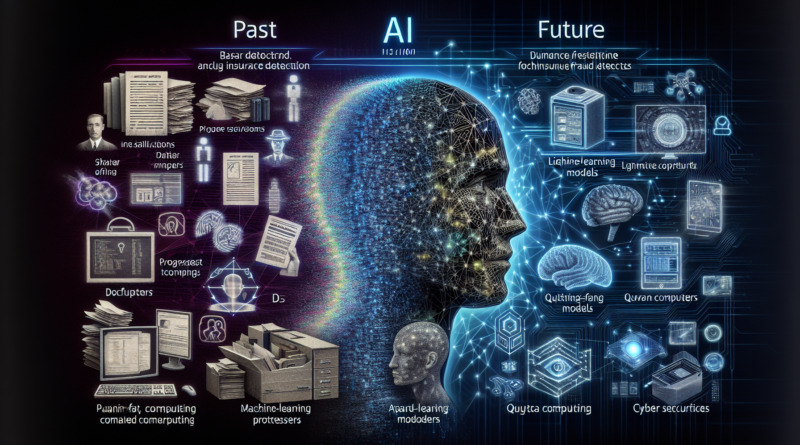
Insurance Fraud Detection Using AI Technology: Present and Future
AI in Fraud
AI in Insurance Fraud Detection
AI Techniques in Fraud Detection
AI employs various techniques to detect fraud, including:
– **Pattern Recognition**: Identifying unusual patterns in claims data.
– **Predictive Analytics**: Forecasting potential fraudulent activities based on historical data.
– **Natural Language Processing (NLP)**: Analyzing textual data from claims and communications to detect inconsistencies.
– **Anomaly Detection**: Spotting deviations from normal behavior that may indicate fraud.
– **Pattern Recognition**: Identifying unusual patterns in claims data.
– **Predictive Analytics**: Forecasting potential fraudulent activities based on historical data.
– **Natural Language Processing (NLP)**: Analyzing textual data from claims and communications to detect inconsistencies.
– **Anomaly Detection**: Spotting deviations from normal behavior that may indicate fraud.
Overcoming AI Challenges
To address these challenges, insurers can:
– Invest in high-quality data collection and management systems.
– Regularly update AI models to adapt to new fraud tactics.
– Ensure compliance with data protection regulations.
– Foster collaboration between AI experts and insurance professionals to enhance system effectiveness.
– Invest in high-quality data collection and management systems.
– Regularly update AI models to adapt to new fraud tactics.
– Ensure compliance with data protection regulations.
– Foster collaboration between AI experts and insurance professionals to enhance system effectiveness.
The Path Forward
To maximize the benefits of AI in fraud detection, the insurance industry should:
– Embrace a hybrid approach, combining AI technology with human expertise.
– Invest in continuous AI research and development.
– Foster industry-wide collaboration to share insights and best practices.
– Educate stakeholders on the capabilities and limitations of AI in fraud detection.
– Embrace a hybrid approach, combining AI technology with human expertise.
– Invest in continuous AI research and development.
– Foster industry-wide collaboration to share insights and best practices.
– Educate stakeholders on the capabilities and limitations of AI in fraud detection.