The Importance of Risk Management and Building a Healthy Portfolio
Risk Mgmt
1. Basics2. Strategies3. Tools
Understanding Risk
Risk management is a crucial component of financial planning and investing. It involves identifying, assessing, and prioritizing risks to minimize the impact of unforeseen events. By understanding potential risks, investors can make informed decisions that align with their financial goals. This proactive approach helps in safeguarding investments against market volatility.
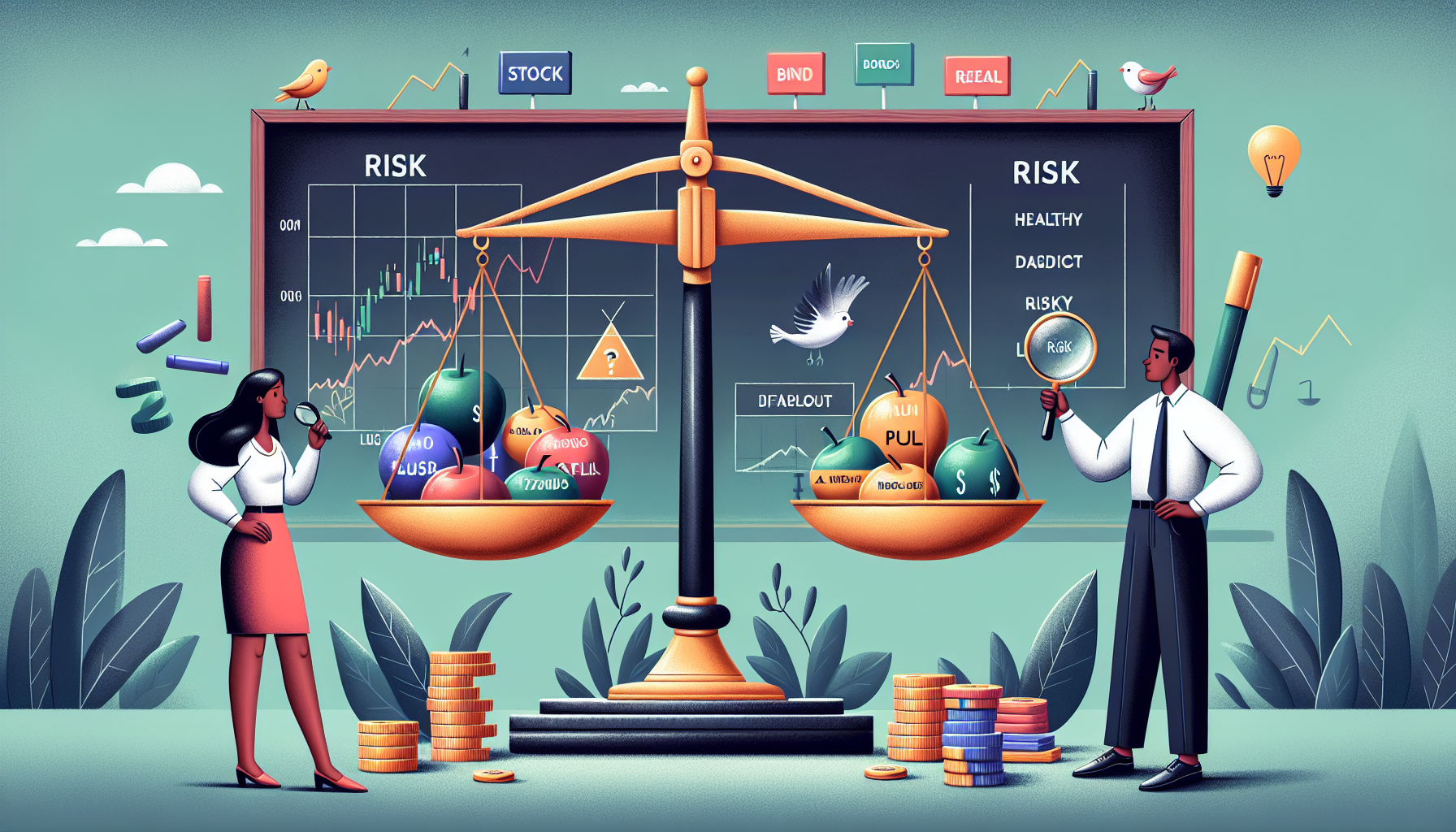
Diversification is a key strategy in risk management, spreading investments across various asset classes to reduce exposure to any single risk.
Investors often use asset allocation to balance risk and reward according to their risk tolerance. By diversifying, they can protect their portfolios from significant losses. Additionally, regular portfolio reviews and adjustments are essential to ensure that the investment strategy remains aligned with changing market conditions and personal financial goals.
Risk Assessment Tools
There are numerous tools available to help investors assess and manage risk. Financial advisors often use software to simulate different market scenarios and their potential impact on portfolios. These tools provide valuable insights into the probability of achieving financial goals under various conditions. By leveraging technology, investors can make data-driven decisions to optimize their portfolios.
Final Thoughts
Risk management and building a healthy portfolio are integral to successful investing. By understanding and managing risks, investors can protect their assets and achieve their financial goals. Diversification, regular monitoring, and the use of risk assessment tools are essential components of a robust investment strategy. As the financial landscape evolves, staying informed and adaptable is key to long-term success.