Methods for Predicting Real Estate Market Trends Using Big Data
Real Estate
1. Data Sources2. Analytical Tools
Diverse Inputs
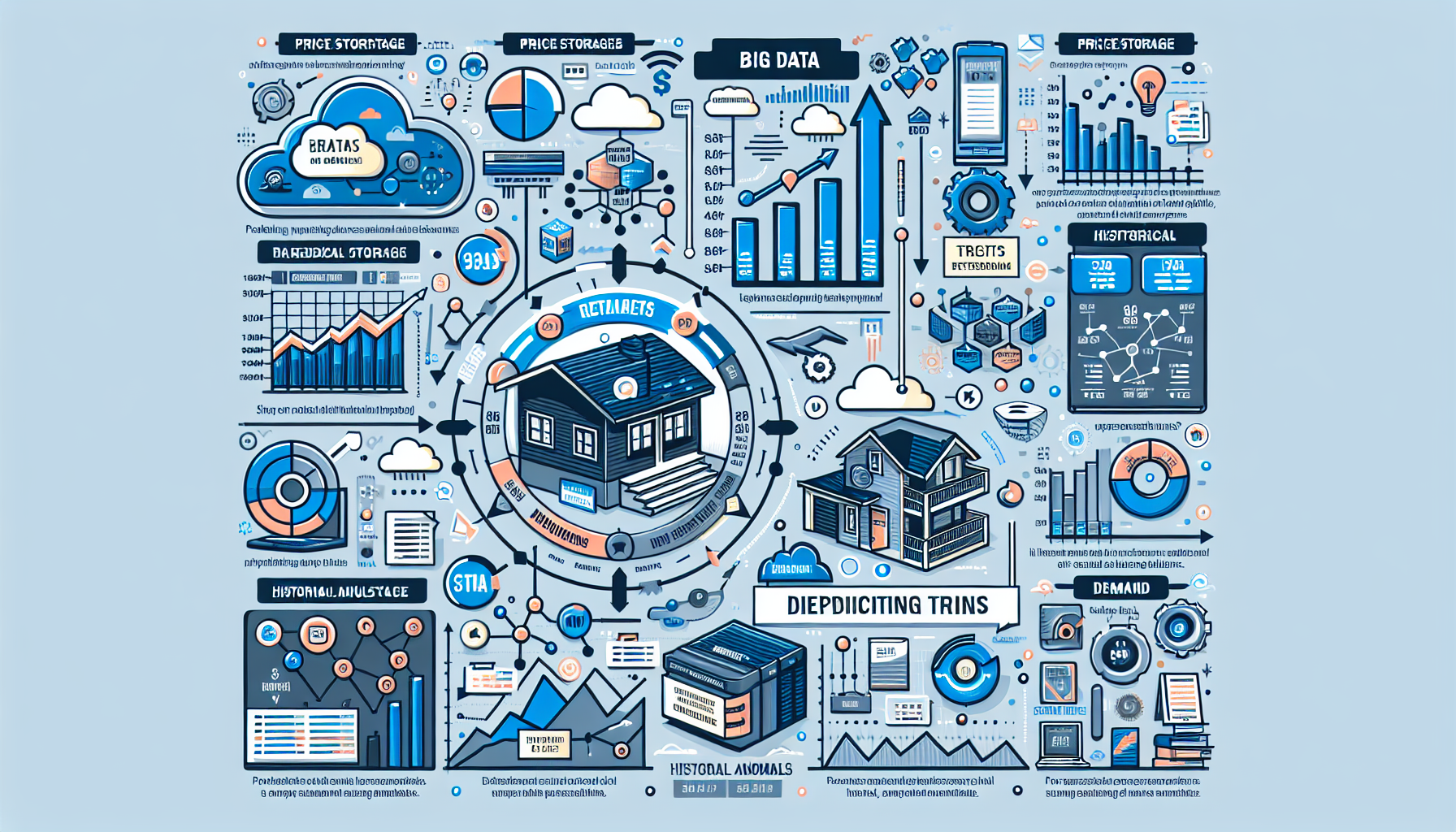
Big data in real estate relies on a variety of sources to predict market trends. These include property sales records, demographic data, and economic indicators. By analyzing these diverse inputs, analysts can gain a comprehensive view of the market. This approach allows for more accurate predictions and better investment decisions.
Advanced analytics tools are essential for processing and interpreting big data in real estate.
Machine learning algorithms can identify patterns and trends that are not immediately apparent. These tools can predict price fluctuations and identify emerging markets. Predictive analytics models, such as regression analysis and time-series forecasting, are commonly used to project future market conditions.
The use of artificial intelligence (AI) enhances the accuracy of these predictions. AI can process vast amounts of data quickly, providing real-time insights. This allows investors and developers to make informed decisions based on the latest market trends.
The use of artificial intelligence (AI) enhances the accuracy of these predictions. AI can process vast amounts of data quickly, providing real-time insights. This allows investors and developers to make informed decisions based on the latest market trends.
Case Study: Urban Development
In urban areas, big data has been instrumental in predicting real estate trends. By analyzing traffic patterns, public transport accessibility, and local amenities, developers can identify promising locations for new projects. This data-driven approach minimizes risk and maximizes returns.