Transforming Real Estate with Digital Twins
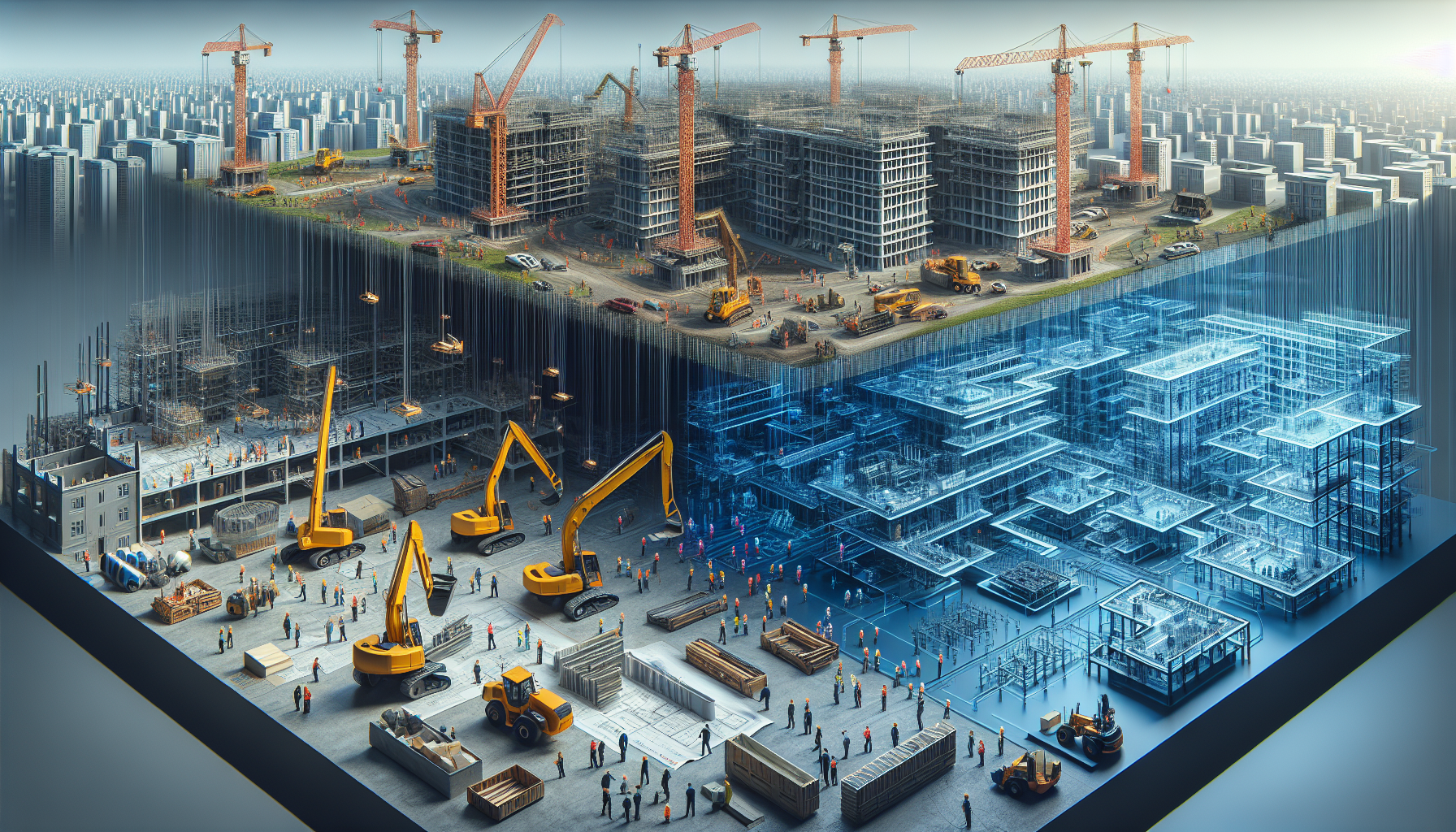
Digital twin technology is a groundbreaking innovation that creates a virtual replica of physical assets, processes, or systems. In real estate, digital twins enable developers to simulate and analyze building designs, construction processes, and operational performance. This technology allows for real-time monitoring and predictive analysis, offering a comprehensive view of a property’s lifecycle.
Benefits in Real Estate Development
The integration of digital twins in real estate development brings numerous advantages. Developers can optimize building designs by simulating various scenarios and assessing their impact on energy efficiency, structural integrity, and occupant comfort. This leads to more sustainable and cost-effective construction practices. Additionally, digital twins facilitate better decision-making by providing accurate data and insights throughout the development process.
Revolutionizing Construction
Digital twins are transforming construction by enabling virtual testing of materials and methods before physical implementation. This reduces errors, minimizes waste, and accelerates project timelines. By leveraging digital twin technology, developers can ensure that projects are completed on time and within budget, while maintaining high-quality standards.
Once a building is operational, digital twins continue to provide value by enhancing facility management. Real-time data from sensors and IoT devices integrated into the building can be fed into the digital twin, allowing for continuous monitoring of systems such as HVAC, lighting, and security. This enables proactive maintenance, reducing downtime and extending the lifespan of building components.
Improving Tenant Experience
Digital twins also play a crucial role in improving tenant experience. By analyzing data on occupancy patterns and environmental conditions, property managers can optimize space utilization and indoor climate, ensuring comfort and satisfaction for occupants. Moreover, digital twins can facilitate personalized services, such as customized lighting and temperature settings, enhancing the overall tenant experience.
Future of Real Estate
The future of real estate development is closely tied to the adoption of digital twin technology. As the industry continues to embrace digital transformation, digital twins will become an essential tool for developers, architects, and property managers. By providing a holistic view of a property’s lifecycle, digital twins enable more informed decision-making, leading to smarter, more sustainable developments.
While digital twin technology offers significant benefits, there are challenges to consider. The implementation of digital twins requires substantial investment in technology and expertise. Additionally, data security and privacy concerns must be addressed, as digital twins rely on vast amounts of sensitive information. Developers must ensure that robust cybersecurity measures are in place to protect data integrity and confidentiality.
Conclusion
Digital twin technology is reshaping the landscape of real estate development. By providing a virtual representation of physical assets, digital twins enable more efficient design, construction, and management processes. As the technology continues to evolve, it will play an increasingly vital role in creating sustainable, high-performance buildings that meet the needs of both developers and occupants. Embracing digital twin technology is not just an option but a necessity for those looking to stay competitive in the ever-changing real estate market.