Navigating Healthcare in an Aging Society
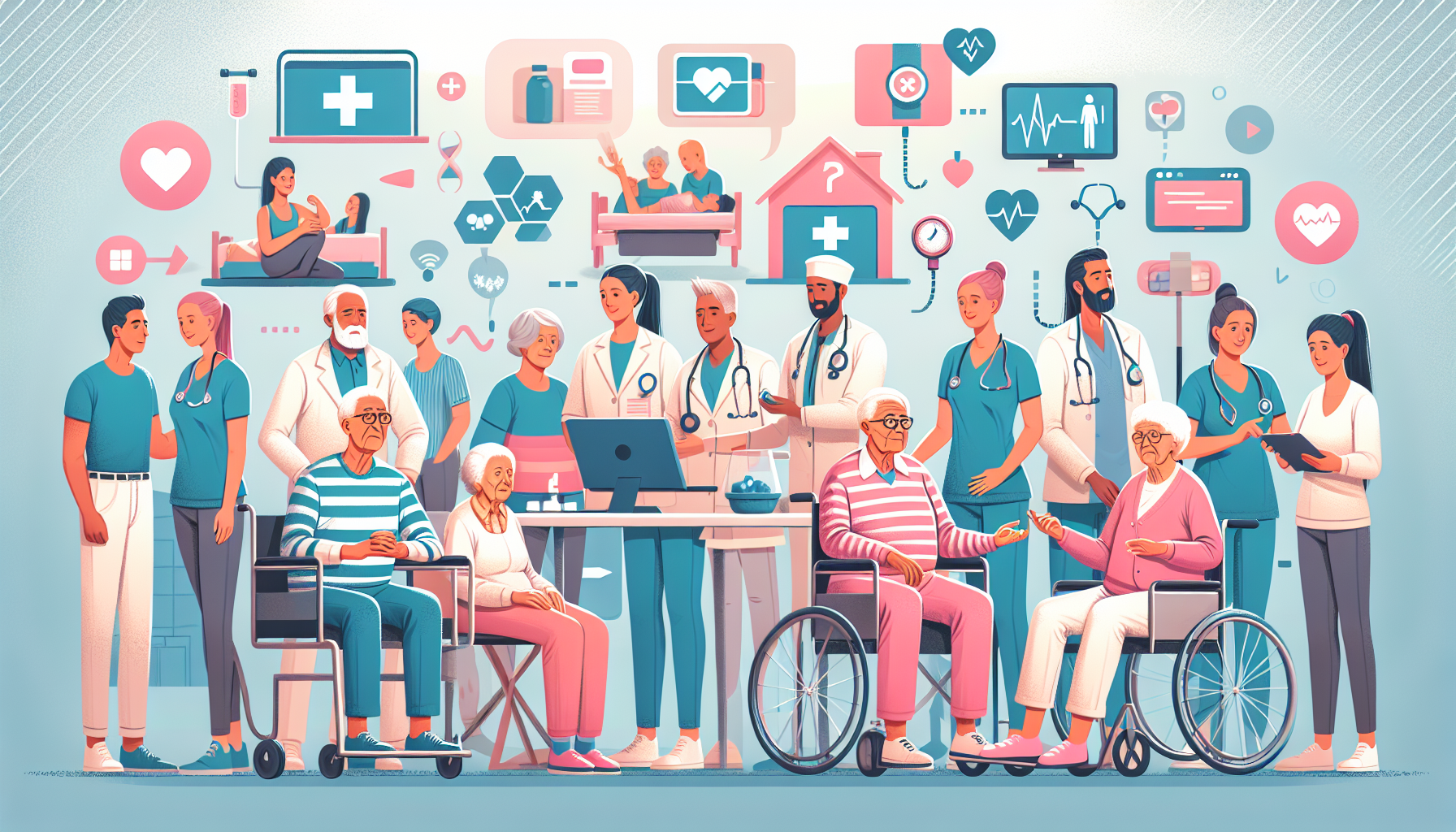
The global demographic landscape is shifting dramatically as the proportion of older adults continues to rise. This trend presents both opportunities and challenges for healthcare systems worldwide. An aging population demands a reevaluation of healthcare services to ensure they are equipped to meet the unique needs of older adults. This demographic shift is driven by increased life expectancy and declining birth rates, resulting in a higher percentage of the population being over the age of 65.
Healthcare Challenges
As societies age, healthcare systems face several challenges. One of the primary concerns is the **
increased demand ** for healthcare services. Older adults typically require more medical attention due to chronic conditions such as diabetes, heart disease, and arthritis. This surge in demand can strain existing healthcare resources, leading to longer wait times and potential declines in the quality of care.
Another significant challenge is the ** shortage of healthcare professionals ** trained to care for the elderly. Geriatric care requires specialized knowledge and skills, yet there is a notable gap in the workforce prepared to meet these needs. This shortage can lead to burnout among existing staff and further exacerbate the strain on healthcare systems.
Technological Innovations
Despite these challenges, technological advancements offer promising solutions. Telemedicine, for example, has become a vital tool in providing accessible healthcare to older adults, especially those with mobility issues or living in remote areas. Through virtual consultations, patients can receive medical advice and monitoring without the need for physical travel, thus reducing the burden on healthcare facilities.
Moreover, ** wearable health devices ** are gaining popularity among older adults. These devices can monitor vital signs, track physical activity, and even detect falls, providing real-time data to healthcare providers and family members. This technology not only enhances patient safety but also empowers older adults to take an active role in managing their health.
Adapting Healthcare Services
To effectively address the needs of an aging society, healthcare services must adapt and evolve. This includes investing in geriatric training programs, expanding telehealth services, and integrating innovative technologies into patient care. By doing so, healthcare systems can improve outcomes for older adults and ensure sustainable, high-quality care for future generations.
Effective policy and planning are crucial in addressing the challenges posed by an aging population. Governments and healthcare organizations must collaborate to develop comprehensive strategies that prioritize the health and well-being of older adults. This includes **
allocating resources ** for geriatric care, supporting research on aging-related health issues, and implementing policies that promote healthy aging.
Additionally, community-based programs play a vital role in supporting older adults. Initiatives such as senior centers, meal delivery services, and transportation assistance can significantly enhance the quality of life for older individuals, allowing them to remain independent and engaged in their communities.
The Role of Caregivers
Caregivers, both professional and informal, are essential in supporting the health and well-being of older adults. However, caregiving can be a demanding and often undervalued role. Providing adequate support and resources for caregivers is crucial in ensuring they can continue to provide high-quality care. This includes offering training programs, respite care options, and financial assistance to alleviate the burden on caregivers.
Furthermore, recognizing the contributions of informal caregivers, such as family members, is vital. These individuals often provide the majority of care for older adults, yet they may lack access to necessary resources and support. By acknowledging and supporting informal caregivers, healthcare systems can enhance the overall care provided to older adults.
Future Outlook
The future of healthcare in an aging society depends on proactive planning and innovation. By embracing technological advancements, investing in geriatric care, and supporting caregivers, healthcare systems can effectively navigate the challenges and opportunities presented by an aging population. This approach will ensure that older adults receive the care and support they need to lead healthy, fulfilling lives.
The aging population presents a complex set of challenges and opportunities for healthcare systems worldwide. By understanding the unique needs of older adults and implementing strategic solutions, healthcare providers can enhance the quality of care and improve outcomes for this growing demographic. Through collaboration, innovation, and a commitment to excellence, healthcare systems can rise to the occasion and ensure a brighter future for older adults in an aging society.