Digital Solutions for Mental Health
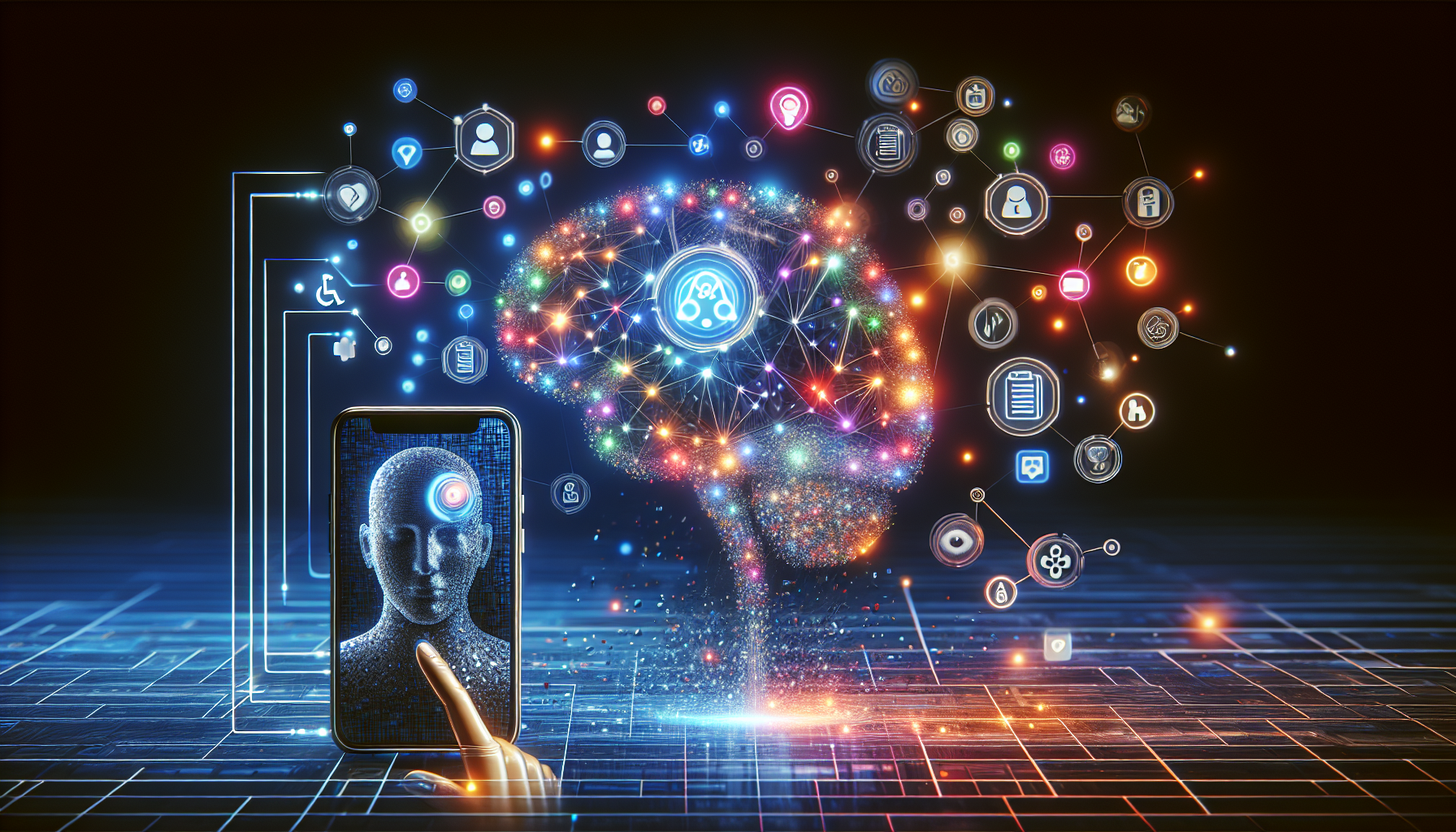
In recent years, the intersection of technology and mental health has opened new avenues for support and treatment. **Digital solutions**, including mobile apps and artificial intelligence (AI), are transforming how individuals access mental health resources. These tools offer **convenient, accessible, and often cost-effective** options for those seeking help. From mood tracking to virtual therapy sessions, digital platforms are reshaping the landscape of mental health care.
The Role of Mobile Apps
Mobile apps are at the forefront of digital mental health solutions. They provide users with a range of functionalities, such as meditation guides, cognitive behavioral therapy (CBT) exercises, and mood tracking. Apps like Headspace and Calm offer guided meditations and mindfulness exercises, helping users manage stress and anxiety. **Mood tracking apps** allow individuals to monitor their emotional states over time, providing valuable insights into their mental health patterns.
Benefits of Mental Health Apps
– **Accessibility**: Available 24/7, providing support whenever needed.
– **Affordability**: Many apps offer free or low-cost options.
– **Anonymity**: Users can seek help without fear of stigma.
– **Personalization**: Tailored exercises and feedback based on user input.
Artificial intelligence is another powerful tool in the digital mental health arsenal. AI-driven chatbots, such as Woebot and Wysa, offer conversational support and CBT techniques. These chatbots use natural language processing to simulate human-like interactions, providing users with immediate responses and coping strategies. **AI algorithms** can also analyze user data to predict mental health trends and suggest personalized interventions.
Challenges and Considerations
While digital solutions offer numerous benefits, they also present challenges. **Privacy and data security** are paramount concerns, as sensitive information is often shared through these platforms. Ensuring that apps comply with regulations like GDPR and HIPAA is crucial. Additionally, the effectiveness of digital interventions can vary, and they should not replace traditional therapy for those with severe mental health conditions.
Ensuring Safe Use of Digital Tools
– **Verify App Credentials**: Choose apps with professional endorsements.
– **Read Privacy Policies**: Understand how your data is used and stored.
– **Seek Professional Advice**: Use digital tools as a supplement, not a substitute, for professional care.
The future of digital mental health is promising, with ongoing advancements in technology. Virtual reality (VR) is being explored for exposure therapy, and machine learning algorithms are improving the personalization of mental health interventions. As technology evolves, so too will the capabilities of digital mental health solutions, offering even more **innovative and effective** ways to support mental well-being.
Conclusion
Digital solutions for mental health, including apps and AI, are revolutionizing how individuals access care and support. While challenges remain, the potential benefits of these technologies are vast. By embracing digital tools, we can enhance mental health care accessibility, affordability, and personalization, ultimately improving the well-being of individuals worldwide.