The Impact of AI on Education
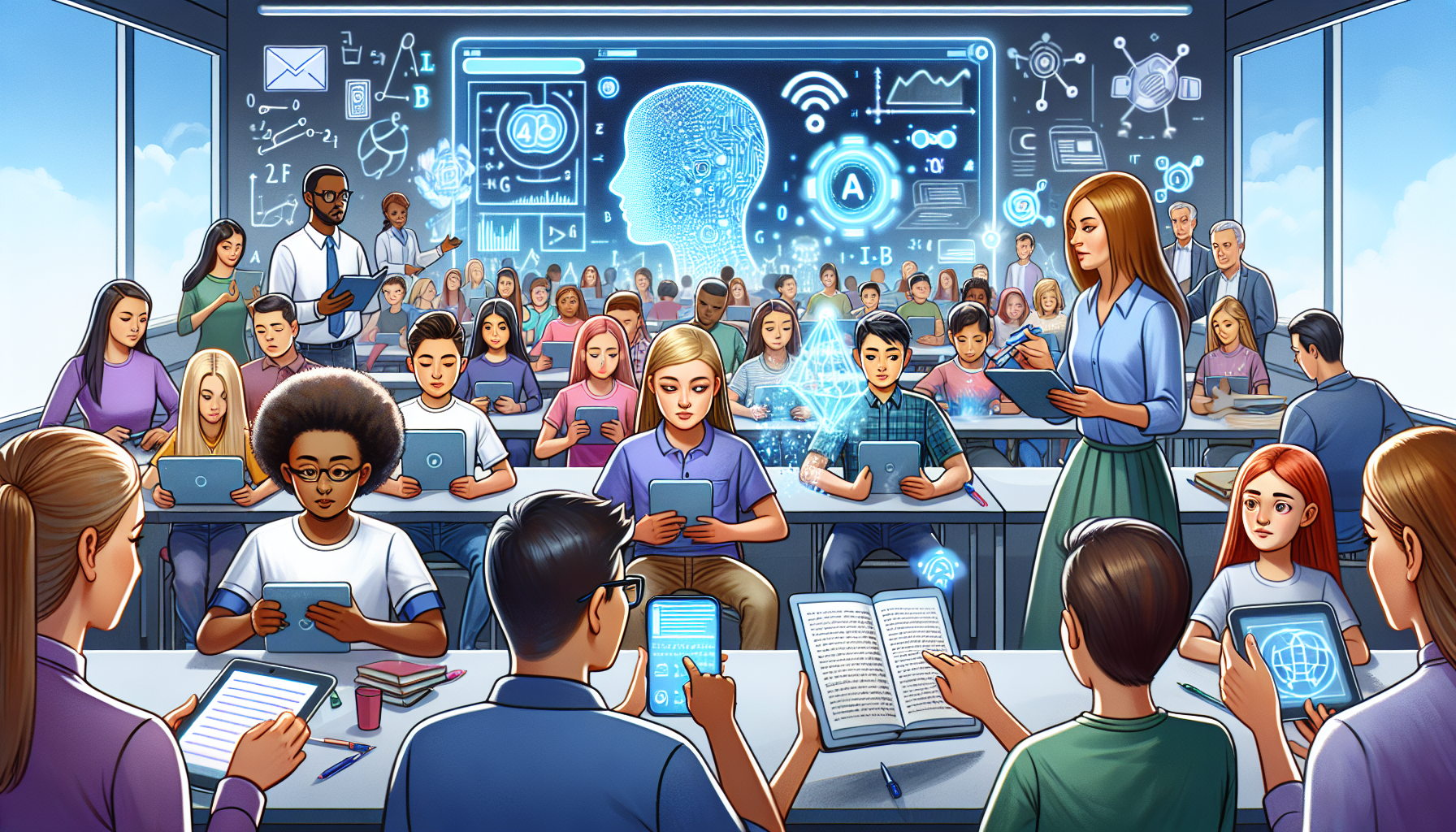
Artificial Intelligence (AI) is transforming various sectors, and education is no exception. The integration of AI in educational settings is paving the way for personalized learning experiences, which cater to the unique needs of each student. By leveraging AI, educators can provide tailored instruction, adaptive learning paths, and real-time feedback, enhancing the overall learning experience.
Personalized Learning Explained
Personalized learning refers to educational approaches that customize learning experiences to fit the individual needs, skills, and interests of each student. AI plays a crucial role in this by analyzing data and learning patterns to adjust the curriculum dynamically. This ensures that students receive the right level of challenge and support, promoting better engagement and understanding.
Benefits of Personalized Learning
1. **Enhanced Engagement:** Students are more engaged when learning materials align with their interests and abilities.
2. **Improved Outcomes:** Tailored instruction leads to better academic performance and deeper understanding.
3. **Flexibility:** Students can learn at their own pace, revisiting concepts as needed.
4. **Empowerment:** Learners take ownership of their education, fostering independence and motivation.
Several AI-driven tools are revolutionizing the educational landscape. These tools include intelligent tutoring systems, virtual teaching assistants, and adaptive learning platforms. Intelligent tutoring systems provide personalized feedback and guidance, while virtual teaching assistants can handle administrative tasks, allowing educators to focus on teaching. Adaptive learning platforms adjust content based on student performance, ensuring a customized learning journey.
Challenges and Considerations
While AI offers numerous benefits, there are challenges to consider. Privacy concerns arise with the collection and analysis of student data. Ensuring data security and ethical use of AI is paramount. Additionally, there is a need for educators to be trained in using AI tools effectively. Balancing technology with traditional teaching methods is crucial to maintaining a holistic educational approach.
Future of AI in Education
The future of AI in education is promising, with potential advancements in virtual reality, augmented reality, and more sophisticated AI algorithms. These technologies could further enhance personalized learning, making education more accessible and effective for all students. As AI continues to evolve, it will be essential to address ethical considerations and ensure equitable access to technology.
AI’s impact on education is profound, offering the possibility of truly personalized learning experiences. By harnessing the power of AI, educators can create more engaging, effective, and inclusive learning environments. As we move forward, it is crucial to embrace these technological advancements while addressing the challenges they present, ensuring that education remains a powerful tool for personal and societal growth.