Changes in the Role of Educators in the Age of Artificial Intelligence
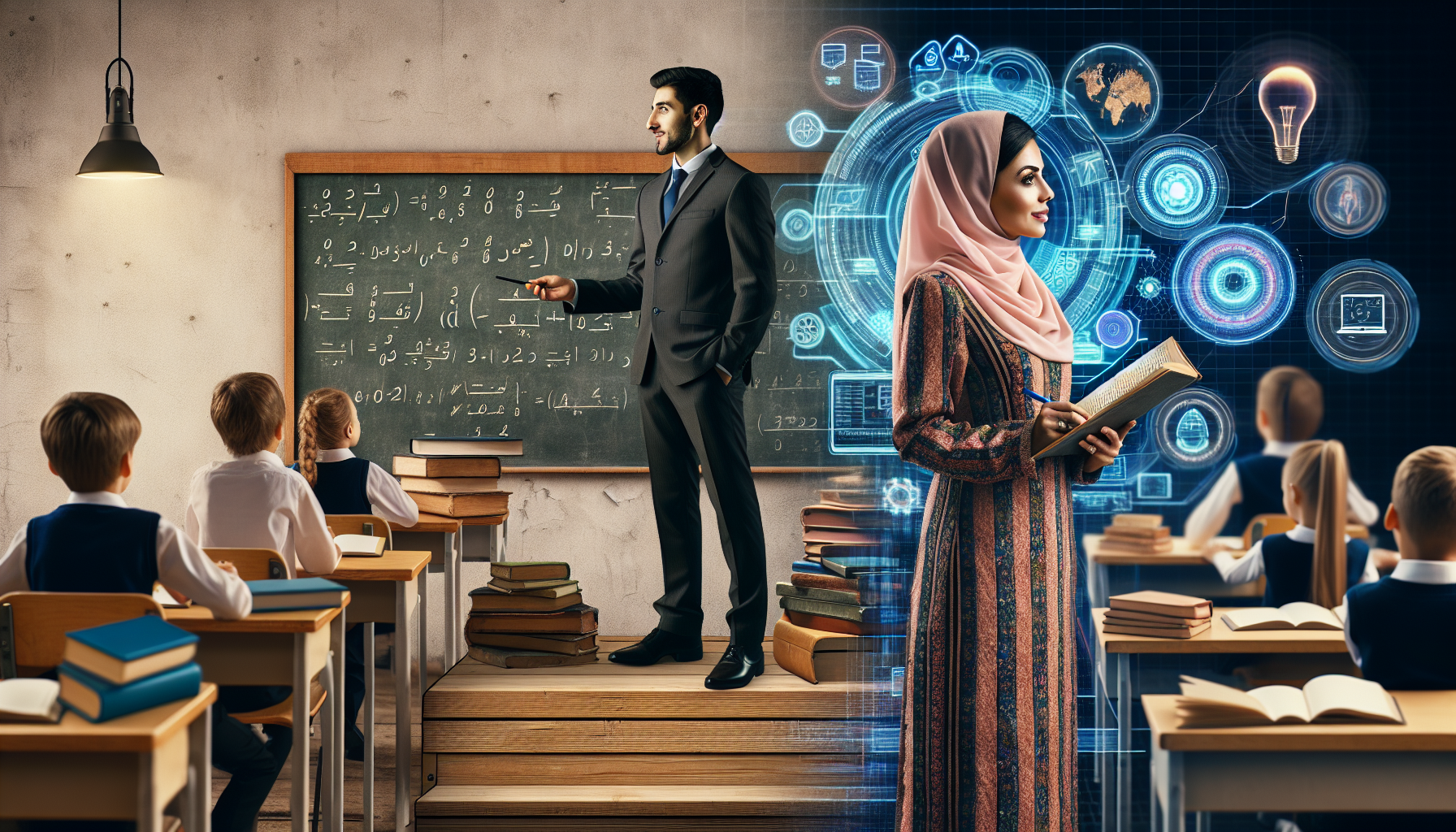
AI technologies, such as intelligent tutoring systems and adaptive learning platforms, are now capable of providing personalized feedback and tailored learning paths for students. This shift allows educators to focus more on fostering critical thinking, creativity, and emotional intelligence, skills that are increasingly important in the modern world.
AI in the Classroom AI is making its way into classrooms, offering tools that enhance both teaching and learning experiences. For instance, AI-powered platforms can analyze student data to identify learning gaps and suggest targeted interventions. This data-driven approach enables educators to provide more personalized support, ensuring that each student can achieve their full potential.Moreover, AI can automate administrative tasks such as grading and attendance tracking, freeing up educators’ time to focus on more meaningful interactions with students. By leveraging AI, educators can create a more engaging and interactive learning environment that caters to diverse learning styles.
Additionally, there is a need for professional development to equip educators with the skills required to effectively integrate AI into their teaching practices. This includes understanding how to interpret AI-generated insights and how to use AI tools to complement traditional teaching methods.
Despite these challenges, the opportunities presented by AI are immense. Educators can leverage AI to create more inclusive and equitable learning environments, where all students have access to high-quality education tailored to their individual needs.
The Future of Education As AI continues to evolve, the future of education looks promising. Educators will play a crucial role in shaping this future by embracing AI and using it to enhance their teaching practices. By doing so, they can prepare students for a world where AI is an integral part of everyday life.The integration of AI in education is not just about technology; it’s about reimagining the learning experience. Educators have the opportunity to create a more dynamic and interactive classroom environment, where students are encouraged to explore, experiment, and engage with the world around them.
As we move forward, it’s essential for educators to stay informed about the latest AI developments and consider how they can be integrated into their teaching practices. By doing so, they can ensure that they are providing the best possible education for their students, preparing them for a future where AI is an integral part of everyday life.