Education for Healthy Living
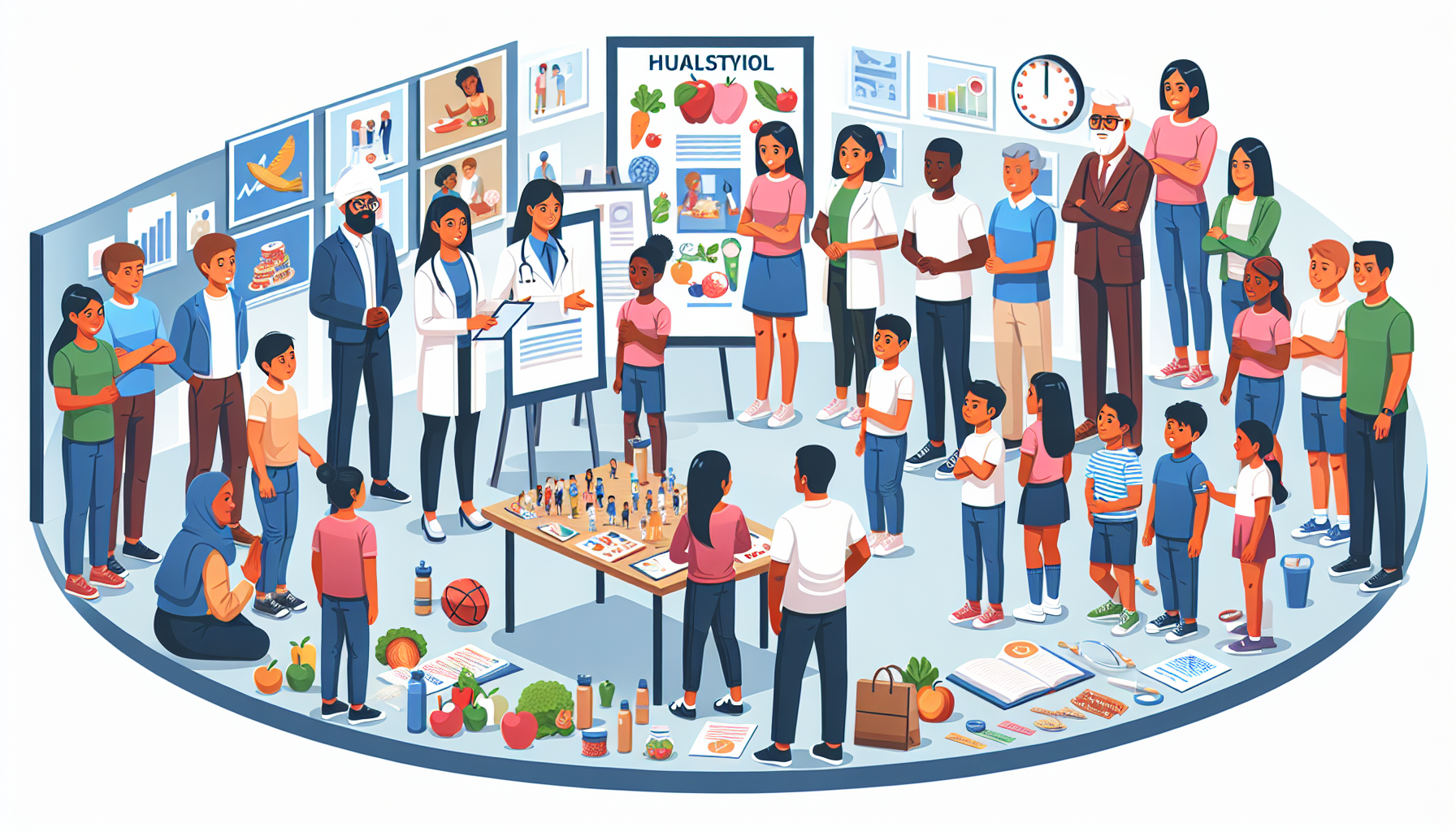
In today’s fast-paced world, maintaining a healthy lifestyle is more important than ever. Schools and communities play a crucial role in educating young individuals about healthy habits. This collaboration aims to instill lifelong wellness practices in students, ensuring they grow into health-conscious adults. The education program focuses on nutrition, physical activity, mental well-being, and community involvement, creating a holistic approach to health education.
The Role of Schools
Schools serve as the primary environment where children spend a significant portion of their day. Integrating health education into the curriculum is essential. Teachers are trained to incorporate lessons on nutrition, exercise, and mental health into their daily teachings. Schools also provide healthy meal options and encourage physical activities through sports and extracurricular programs. By creating a supportive environment, schools can significantly influence students’ lifestyle choices.
School Initiatives
– **Nutrition Education:** Schools offer classes that teach students about balanced diets and the importance of consuming various nutrients.
– **Physical Activities:** Regular physical education classes and after-school sports programs promote fitness and teamwork.
– **Mental Health Awareness:** Workshops and counseling services are available to support students’ emotional well-being.
Communities complement school efforts by providing resources and opportunities for healthy living. Local organizations and businesses can partner with schools to offer workshops, health fairs, and fitness events. Community centers can host cooking classes, yoga sessions, and mental health seminars, making these resources accessible to families. By engaging the entire community, the program ensures that healthy habits are reinforced outside the school environment.
Benefits of Cooperation
The collaboration between schools and communities yields numerous benefits. Students receive consistent messaging about health, which reinforces their learning. Families become more involved in their children’s education, creating a supportive network that encourages healthy choices. Moreover, the community becomes more cohesive, as shared goals and activities bring people together.
Community Contributions
– **Workshops and Seminars:** Local experts provide valuable insights into nutrition and fitness.
– **Health Fairs:** Community events showcase health resources and services available to families.
– **Fitness Challenges:** Organized activities encourage families to participate in physical activities together.
Implementing a comprehensive health education program is not without challenges. Funding, resources, and community engagement can pose significant hurdles. However, creative solutions and strong partnerships can overcome these obstacles. Schools can apply for grants and seek sponsorships from local businesses. Community leaders can organize volunteer efforts to support program initiatives. By working together, schools and communities can create a sustainable and impactful program.
Conclusion
The education program for healthy lifestyle habits demonstrates the power of school and community cooperation. By working together, they can create an environment that fosters healthy choices and lifelong wellness. This collaborative approach not only benefits students but also strengthens the entire community, paving the way for a healthier future.
Join the Movement
Become a part of the initiative to promote healthy lifestyle habits in your community. Whether you’re a parent, teacher, or community member, your involvement can make a difference. Together, we can create a healthier, happier future for our children!