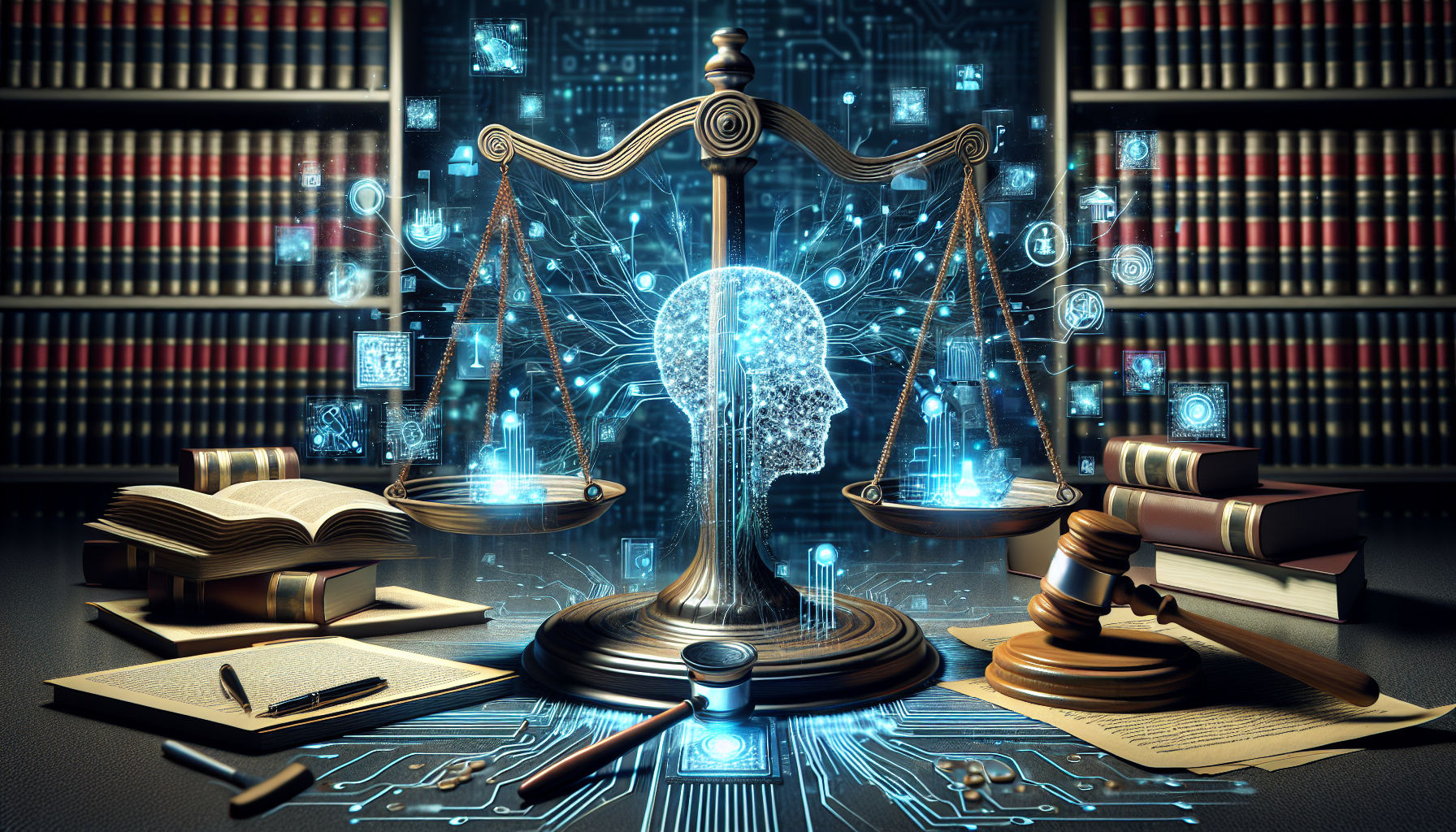
Legal Approaches to AI Errors
Artificial Intelligence (AI) systems are increasingly integrated into various sectors, from healthcare to finance. However, as AI systems become more autonomous, the potential for errors increases. These errors can range from minor miscalculations to significant decisions that impact human lives. Understanding the nature of these errors is crucial for developing legal frameworks that address accountability and responsibility.
Legal Challenges of AI
The legal landscape surrounding AI is complex. Traditional legal systems are not fully equipped to handle the nuances of AI errors. One of the primary challenges is determining liability. When an AI system makes a mistake, who is responsible? Is it the developer, the user, or the AI itself? These questions highlight the need for new legal approaches that can accommodate the unique characteristics of AI technologies.
AI Liability Frameworks
Several frameworks are being proposed to address AI liability. These include strict liability, where developers are held accountable for any harm caused by their AI systems, and negligence-based approaches, which focus on whether reasonable care was taken during development and deployment. Each framework has its advantages and challenges, and ongoing discussions aim to find a balanced approach that ensures accountability without stifling innovation.
Examining real-world cases can provide insights into how legal systems are currently handling AI errors. For instance, in the healthcare sector, AI diagnostic tools have sometimes provided incorrect recommendations, leading to misdiagnosis. In such cases, determining liability can be challenging, especially when the AI system is part of a larger decision-making process involving human professionals.
Regulatory Developments
Governments and international bodies are actively working on regulatory frameworks to address AI errors. The European Union, for example, has proposed the AI Act, which aims to classify AI systems based on risk and impose obligations on developers and users. Such regulatory efforts are crucial for ensuring that AI technologies are used responsibly and that there are clear guidelines for addressing errors.
The Role of Ethics in AI
Ethical considerations play a significant role in shaping legal approaches to AI errors. Ensuring that AI systems are designed and used ethically can prevent many potential errors and reduce the need for legal intervention. Developers and organizations must prioritize ethical guidelines to build trust and ensure the responsible use of AI technologies.
As AI continues to evolve, so too must the legal frameworks that govern it. Future directions may include the development of AI-specific laws that address the unique challenges posed by these technologies. Additionally, collaboration between technologists, legal experts, and policymakers will be essential to create comprehensive solutions that balance innovation with accountability.
Conclusion
The intersection of artificial intelligence and legal responsibility is a dynamic and evolving field. As AI systems become more prevalent, the need for robust legal frameworks to address errors and ensure accountability becomes increasingly important. By understanding the challenges and exploring potential solutions, society can harness the benefits of AI while minimizing risks and ensuring justice.
Call to Action
Stay informed about the latest developments in AI and legal responsibility. Engage with policymakers, participate in discussions, and advocate for balanced approaches that promote innovation while ensuring accountability. Together, we can shape a future where AI technologies are used responsibly and ethically.