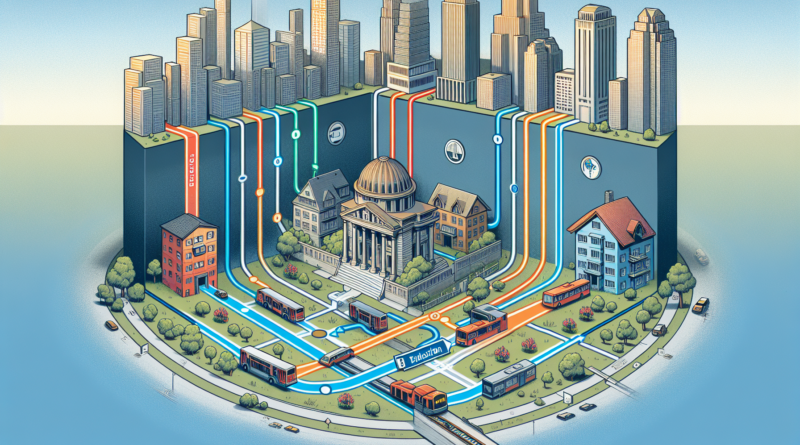
The Influence of Transport on Property Values
Transportation accessibility refers to the ease with which residents can reach essential services and amenities using various modes of transport. This includes public transit systems, road networks, and pedestrian pathways. The presence of efficient transportation options can significantly impact the desirability and value of real estate in a given area. Properties located near major transit hubs or well-connected roadways often command higher prices due to the convenience they offer to residents.
The Real Estate Value Equation
The value of real estate is influenced by numerous factors, with transportation accessibility being a critical component. When evaluating property value, potential buyers and investors consider the time and cost savings associated with proximity to transportation options. Areas with robust public transit systems, such as subways, buses, and trains, tend to see increased demand, leading to higher property values. Conversely, regions lacking efficient transportation may experience stagnation or decline in real estate prices.
Transportation as a Catalyst for Growth
Transportation infrastructure acts as a catalyst for urban growth and development. By improving accessibility, cities can attract businesses, boost tourism, and enhance the quality of life for residents. This, in turn, drives up real estate demand and value, creating a positive feedback loop that benefits the entire community.
Education is another pivotal factor influencing real estate value. Areas with reputable schools and educational institutions often see increased demand from families seeking quality education for their children. The presence of top-tier schools can elevate property values, as parents prioritize proximity to educational facilities when choosing a home. This demand is further amplified by the perception that good schools contribute to a safer and more prosperous community.
Interplay Between Education and Transportation
The relationship between transportation and education is symbiotic. Efficient transportation systems facilitate access to educational institutions, making it easier for students and staff to commute. This accessibility can enhance the reputation of schools, attracting more families to the area and boosting real estate values. Moreover, well-connected educational hubs can become focal points for community development, drawing in businesses and services that cater to the needs of students and residents alike.
Investing in Education and Transport
Investing in both education and transportation infrastructure is crucial for sustainable urban development. By prioritizing these areas, cities can create vibrant communities that attract residents and businesses, driving economic growth and increasing real estate values. Policymakers should consider the long-term benefits of such investments to ensure a prosperous future for their regions.
Several cities worldwide have successfully integrated transportation and education to boost real estate values. For instance, cities like Tokyo and London have developed extensive public transit networks that connect residential areas with educational and commercial hubs. This integration has led to thriving real estate markets, with properties near transit lines and schools experiencing significant appreciation over time.
Challenges and Considerations
While the benefits of transportation and education on real estate value are clear, there are challenges to consider. Infrastructure projects require significant investment and long-term planning. Additionally, rapid development can lead to gentrification, displacing long-term residents and altering the social fabric of communities. Policymakers must balance growth with inclusivity, ensuring that all residents benefit from improved accessibility and educational opportunities.
Balancing Growth and Inclusivity
To achieve sustainable growth, cities must adopt inclusive policies that address the needs of all residents. By fostering collaboration between government, developers, and communities, cities can create equitable solutions that enhance transportation and education without displacing vulnerable populations. This approach ensures that real estate value growth benefits everyone.
As technology advances, the future of transportation and real estate is poised for transformation. Innovations such as autonomous vehicles, smart transit systems, and remote work are reshaping how people live and commute. These changes will influence real estate demand, with properties offering flexibility and connectivity becoming increasingly valuable. Cities that embrace these trends and invest in forward-thinking infrastructure will likely see continued growth in real estate values.
Conclusion: The Path Forward
The impact of transportation accessibility and education on real estate value is undeniable. By understanding and leveraging these factors, cities can create thriving communities that attract residents and businesses. The path forward involves strategic investments in infrastructure, education, and technology, ensuring that all residents benefit from increased accessibility and opportunities. As cities evolve, the interplay between transportation, education, and real estate will continue to shape urban landscapes and drive economic prosperity.