Innovating Education with AI & VR
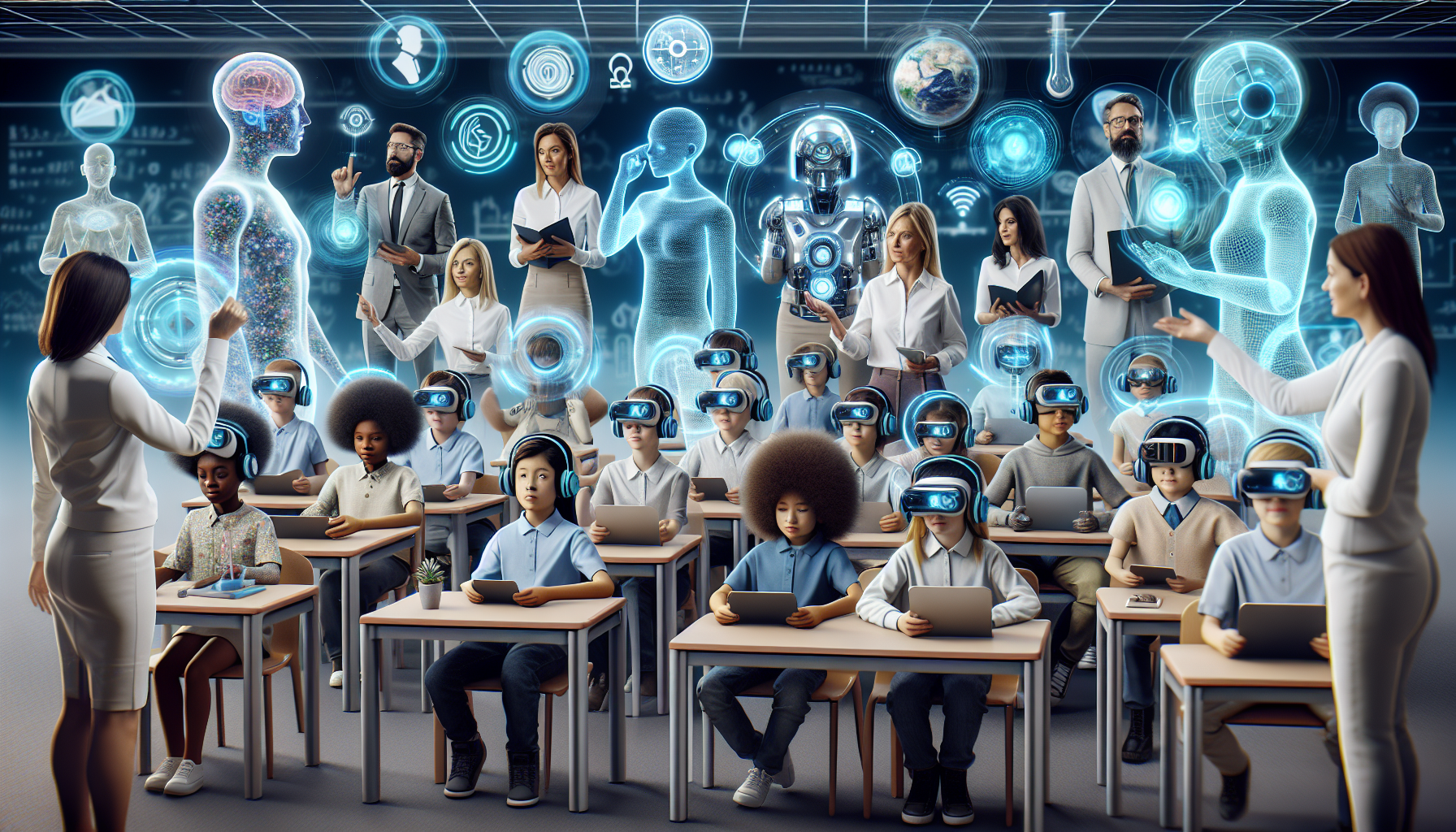
The landscape of education is undergoing a significant transformation with the integration of **Artificial Intelligence (AI)** and **Virtual Reality (VR)**. These technologies are not just enhancing traditional learning methods but are also paving the way for innovative educational experiences. AI offers personalized learning paths, while VR provides immersive environments that make learning more engaging and effective.
AI’s Role in Personalized Learning
AI has the potential to revolutionize education by offering personalized learning experiences. Through data analysis and machine learning algorithms, AI can tailor educational content to meet the individual needs of each student. This customization ensures that students receive the right level of challenge and support, enhancing their learning outcomes. AI-driven platforms can identify a student’s strengths and weaknesses, adapting the curriculum accordingly to optimize learning efficiency.
Immersive Learning with VR
Virtual Reality is transforming the way students interact with educational content. By creating immersive environments, VR allows students to explore complex subjects in a more intuitive and engaging manner. For instance, history lessons can be brought to life by transporting students to ancient civilizations, while science classes can offer virtual lab experiences that are both safe and interactive. This hands-on approach helps students retain information better and fosters a deeper understanding of the subject matter.
Benefits of AI and VR in Education
The integration of AI and VR in education offers numerous benefits. **Firstly**, it enhances engagement by making learning more interactive and enjoyable. **Secondly**, it provides access to a wealth of resources and experiences that would otherwise be unavailable, especially in remote or underfunded areas. **Thirdly**, these technologies promote inclusivity by catering to diverse learning styles and needs, ensuring that every student has the opportunity to succeed.
Transforming Education with AI & VR
The future of education is bright with the integration of AI and VR. These technologies are not only making learning more accessible and personalized but are also preparing students for a digital world. By embracing AI and VR, educators can create a more dynamic and inclusive learning environment that meets the needs of all students.
While the benefits of AI and VR in education are significant, there are challenges to consider. **Cost** is a major factor, as implementing these technologies requires substantial investment in infrastructure and training. **Privacy** is another concern, as AI systems often rely on collecting and analyzing student data. Ensuring that this data is protected and used ethically is crucial. Additionally, there is a need for ongoing research to understand the long-term impacts of these technologies on learning and development.
Future Prospects
The future of education with AI and VR is promising. As technology continues to advance, we can expect even more sophisticated and effective educational tools. AI will become better at predicting student needs and providing real-time feedback, while VR will offer even more realistic and diverse learning experiences. The potential for these technologies to democratize education and provide equal opportunities for all students is immense.
Embrace the Future of Learning
Educators and institutions must embrace AI and VR to stay ahead in the rapidly evolving educational landscape. By integrating these technologies, they can provide students with the skills and knowledge needed to thrive in a digital world. The time to act is now, as the future of education is already here.
AI and VR are set to redefine the educational experience, making it more personalized, immersive, and inclusive. While challenges remain, the potential benefits far outweigh the drawbacks. By investing in these technologies, educators can create a more effective and engaging learning environment that prepares students for the future. The journey towards a more innovative and accessible education system has begun, and the possibilities are endless.