Real Estate & Auto Industry
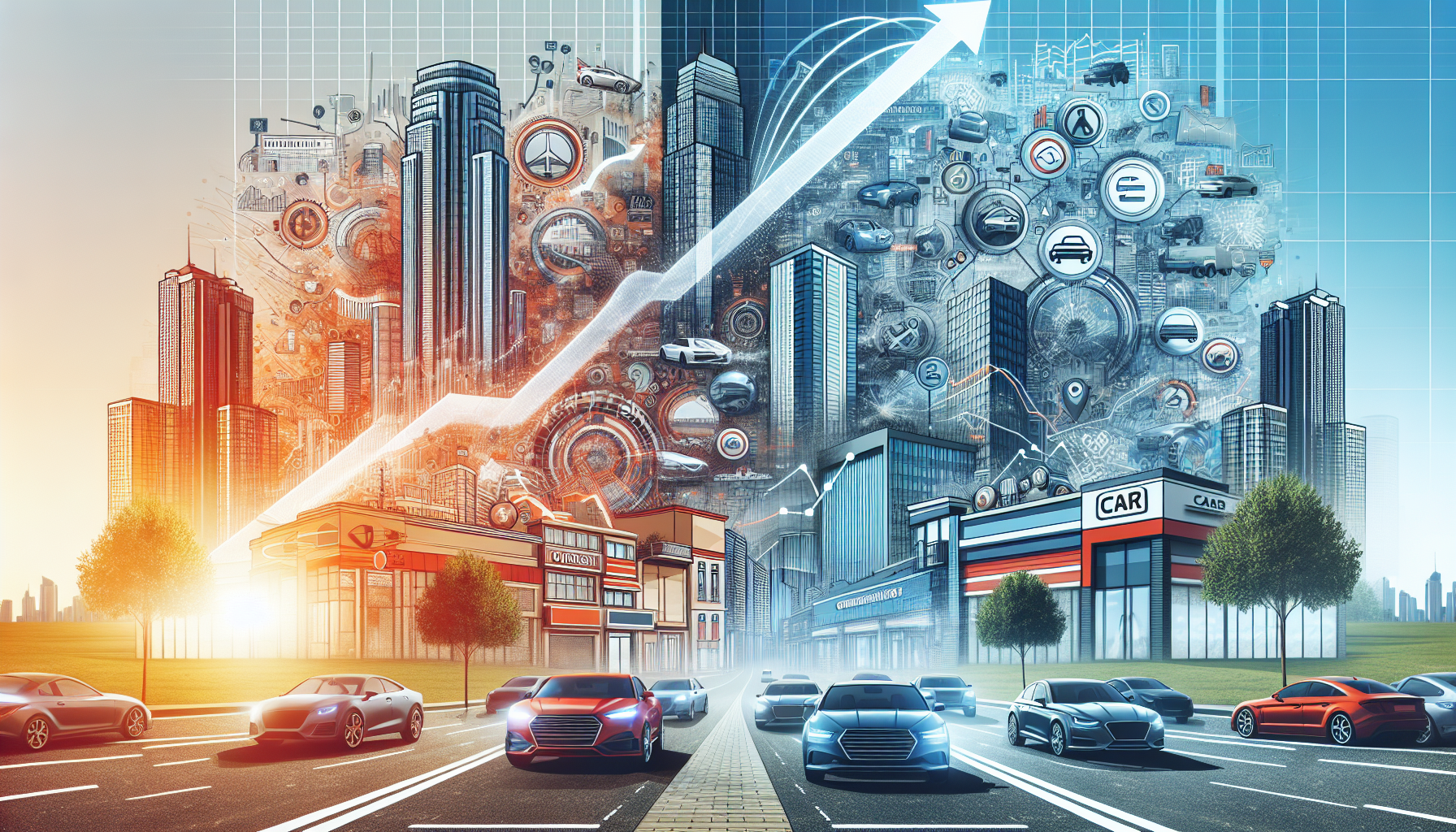
The economic landscape is a complex web of interconnected industries, each influencing the other in myriad ways. Among these, the **real estate investment** sector and the **automotive industry** share a particularly intriguing relationship. Understanding this correlation can provide insights into broader economic trends and help investors make informed decisions. This article delves into the dynamics between these two sectors, exploring how they impact each other and the economy at large.
Real Estate Investment Dynamics
Real estate investment is a cornerstone of economic growth, offering stability and long-term returns. Investors often flock to real estate for its potential to generate passive income and appreciate over time. The health of the real estate market is influenced by various factors, including interest rates, economic policies, and consumer confidence. When the real estate market thrives, it often leads to increased consumer spending, which can have a ripple effect on other industries, including automotive.
Automotive Industry Overview
The automotive industry is a significant driver of economic activity, providing jobs and contributing to GDP. It is sensitive to economic cycles, with demand fluctuating based on consumer confidence and disposable income. When consumers feel financially secure, they are more likely to invest in new vehicles, boosting the automotive sector. Conversely, economic downturns can lead to decreased demand for cars, impacting production and employment.
Interconnection Between Sectors
The relationship between real estate and the automotive industry is multifaceted. A booming real estate market can lead to increased wealth and consumer confidence, encouraging spending on big-ticket items like cars. Conversely, a downturn in real estate can tighten consumer budgets, reducing demand for new vehicles. Additionally, both industries are influenced by similar economic indicators, such as interest rates and employment levels, which can create parallel trends in their performance.
Investment Strategies
Investors looking to capitalize on the correlation between real estate and the automotive industry should consider diversifying their portfolios to include assets from both sectors. By monitoring economic indicators and market trends, investors can identify opportunities for growth and mitigate risks associated with market fluctuations.
Interest rates play a crucial role in the dynamics between real estate and the automotive industry. Low interest rates can stimulate borrowing, leading to increased investment in real estate and higher demand for vehicles. Conversely, rising interest rates can dampen consumer spending, affecting both sectors negatively. Understanding the impact of interest rates on these industries can help investors anticipate market movements and adjust their strategies accordingly.
Urbanization and Mobility Trends
Urbanization and changing mobility trends are reshaping the relationship between real estate and the automotive industry. As more people move to urban areas, the demand for real estate in cities increases, influencing property values and investment opportunities. Simultaneously, urbanization drives changes in transportation needs, with a growing emphasis on sustainable and shared mobility solutions. These trends can impact car sales and influence the types of vehicles consumers prefer.
Technological Advancements
Technological advancements are transforming both the real estate and automotive industries. In real estate, technology is enhancing property management and investment analysis, while in the automotive sector, innovations like electric vehicles and autonomous driving are reshaping consumer preferences. These advancements can create new opportunities for investors and influence the correlation between the two sectors.
Future Outlook
The future of the economic correlation between real estate investment and the automotive industry will be shaped by technological advancements, urbanization, and evolving consumer preferences. Investors should stay informed about these trends to identify potential opportunities and risks in both sectors.
The economic correlation between real estate investment and the automotive industry is a testament to the interconnected nature of modern economies. By understanding the dynamics between these sectors, investors can gain valuable insights into broader economic trends and make informed decisions. As the landscape continues to evolve, staying abreast of market developments and technological advancements will be crucial for navigating the complexities of these industries.