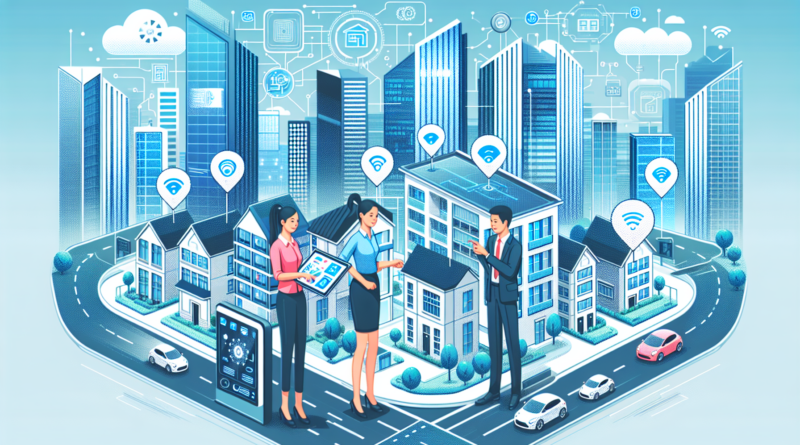
Innovation in Urban Development
The Internet of Things (IoT) is transforming urban landscapes by integrating technology into everyday infrastructure. IoT involves connecting devices and systems to the internet, enabling them to collect and exchange data. In urban development, IoT applications range from smart traffic management to energy-efficient buildings, enhancing the quality of life for residents.
Smart Cities: A New Paradigm
Smart cities utilize IoT to create more efficient, sustainable, and livable urban environments. By leveraging data and technology, smart cities aim to improve public services, reduce environmental impact, and foster economic growth. Key components include smart grids, intelligent transportation systems, and connected public services, all of which contribute to a more responsive and adaptive urban ecosystem.
The Role of IoT in Real Estate
The integration of IoT in real estate is reshaping how properties are developed, managed, and utilized. IoT-enabled buildings offer enhanced security, energy efficiency, and convenience for occupants. Real estate developers are increasingly incorporating smart technologies to meet the growing demand for connected living spaces, thereby increasing property value and appeal.
The rise of smart cities is significantly influencing real estate development. Developers are now prioritizing the incorporation of smart technologies in new projects to cater to tech-savvy consumers. This shift is not only about adding value but also about future-proofing properties against evolving technological trends. Smart buildings equipped with IoT devices offer features such as automated lighting, climate control, and security systems, enhancing the overall living experience.
Challenges and Opportunities
While the integration of IoT in urban development presents numerous opportunities, it also poses challenges. Data privacy and security are major concerns, as the increased connectivity of devices can lead to vulnerabilities. Additionally, the cost of implementing smart technologies can be prohibitive for some developers. However, the long-term benefits, such as operational efficiency and increased property value, often outweigh these challenges.
Future of Urban Development
The future of urban development lies in the seamless integration of IoT and smart city technologies. As cities continue to grow, the demand for innovative solutions that enhance livability and sustainability will increase. Real estate developers who embrace these technologies will be at the forefront of creating the cities of tomorrow, where technology and urban living coexist harmoniously.
Several cities worldwide have successfully implemented IoT and smart city initiatives. For instance, Barcelona’s smart city project has improved public transportation efficiency and reduced energy consumption through smart lighting systems. Similarly, Singapore’s Smart Nation initiative focuses on enhancing urban mobility and public safety through IoT applications. These case studies demonstrate the potential of IoT to revolutionize urban development and real estate.
Conclusion: Embracing the Future
The impact of IoT and smart cities on real estate is profound, offering a glimpse into the future of urban development. By embracing these technologies, cities can become more sustainable, efficient, and livable. Real estate developers have a crucial role to play in this transformation, as they design and build the smart buildings that will define the urban landscapes of tomorrow. As technology continues to evolve, the possibilities for innovation in urban development are limitless.