Introduction to EdTech
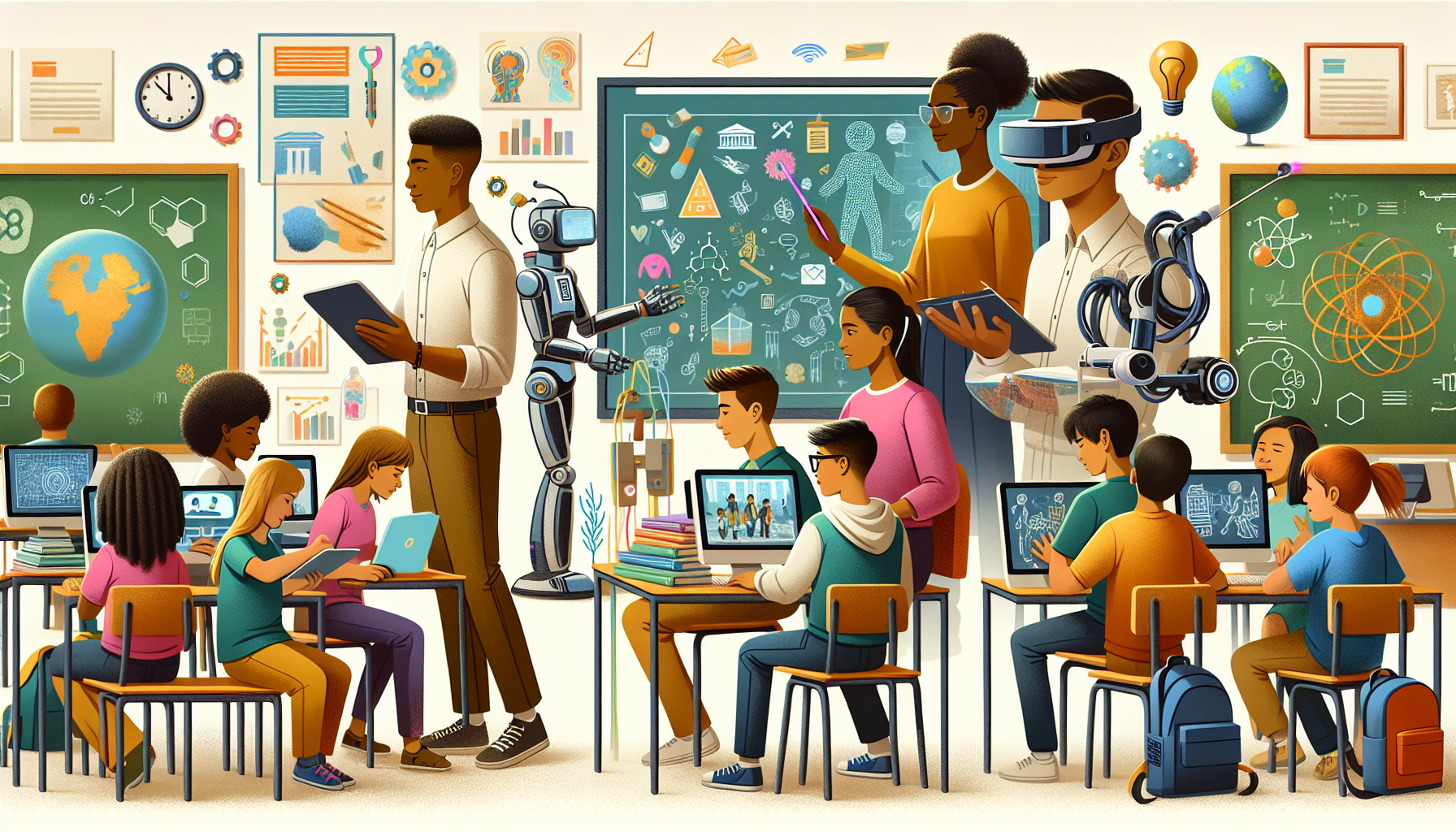
In recent years, the landscape of education has been dramatically transformed by the integration of technology. **Educational Technology (EdTech)** refers to the use of digital tools and resources to facilitate learning and improve educational outcomes. This transformation is not just about digitizing traditional methods but also about creating new ways of learning that are more engaging and effective.
Virtual Reality in Classrooms
One of the most exciting trends in EdTech is the use of **Virtual Reality (VR)**. VR provides immersive learning experiences that can transport students to different times and places, enhancing their understanding of complex subjects. For example, history lessons can be brought to life by allowing students to explore ancient civilizations or significant historical events in a virtual environment.
VR in Education
Virtual Reality is reshaping how students engage with content. By providing a fully immersive experience, VR helps students retain information better and fosters a deeper understanding of the material. Schools adopting VR are seeing increased student engagement and enthusiasm for learning.
**Artificial Intelligence (AI)** is another groundbreaking technology making waves in education. AI-powered tools can personalize learning experiences by adapting to each student’s pace and style. This personalization ensures that students receive the support they need, whether they are struggling or excelling. AI can also automate administrative tasks, allowing educators to focus more on teaching.
Gamification of Education
Gamification involves incorporating game elements into educational activities to make learning more engaging. This approach has proven effective in motivating students and enhancing their learning experience. By turning lessons into games, students are more likely to participate actively and retain information. Schools are increasingly using gamified platforms to teach subjects ranging from mathematics to language arts.
Benefits of Gamification
Gamification transforms the learning process by making it fun and interactive. It encourages students to take an active role in their education, leading to improved retention and understanding. Schools that have implemented gamified learning report higher levels of student motivation and achievement.
Cloud technology has revolutionized the way educational content is delivered and accessed. **Cloud-based learning platforms** provide students and teachers with access to a wealth of resources anytime, anywhere. These platforms facilitate collaboration and communication, making it easier for students to work together on projects and for teachers to provide feedback.
Examples of School Innovation
Several schools around the world are leading the way in educational innovation. For instance, some institutions have adopted **flipped classroom models**, where students watch lectures at home and engage in hands-on activities in class. This approach allows for more interactive and personalized learning experiences.
Flipped Classroom Success
The flipped classroom model has been successful in enhancing student engagement and understanding. By shifting the focus from passive listening to active participation, students are more involved in their learning journey. Schools implementing this model report improved academic performance and student satisfaction.
The integration of technology in education is not just a trend but a necessity for preparing students for the future. By embracing these innovations, schools can provide more effective and engaging learning experiences. As technology continues to evolve, the possibilities for educational transformation are endless, promising a brighter future for students worldwide.