Transforming Real Estate with Cloud Computing
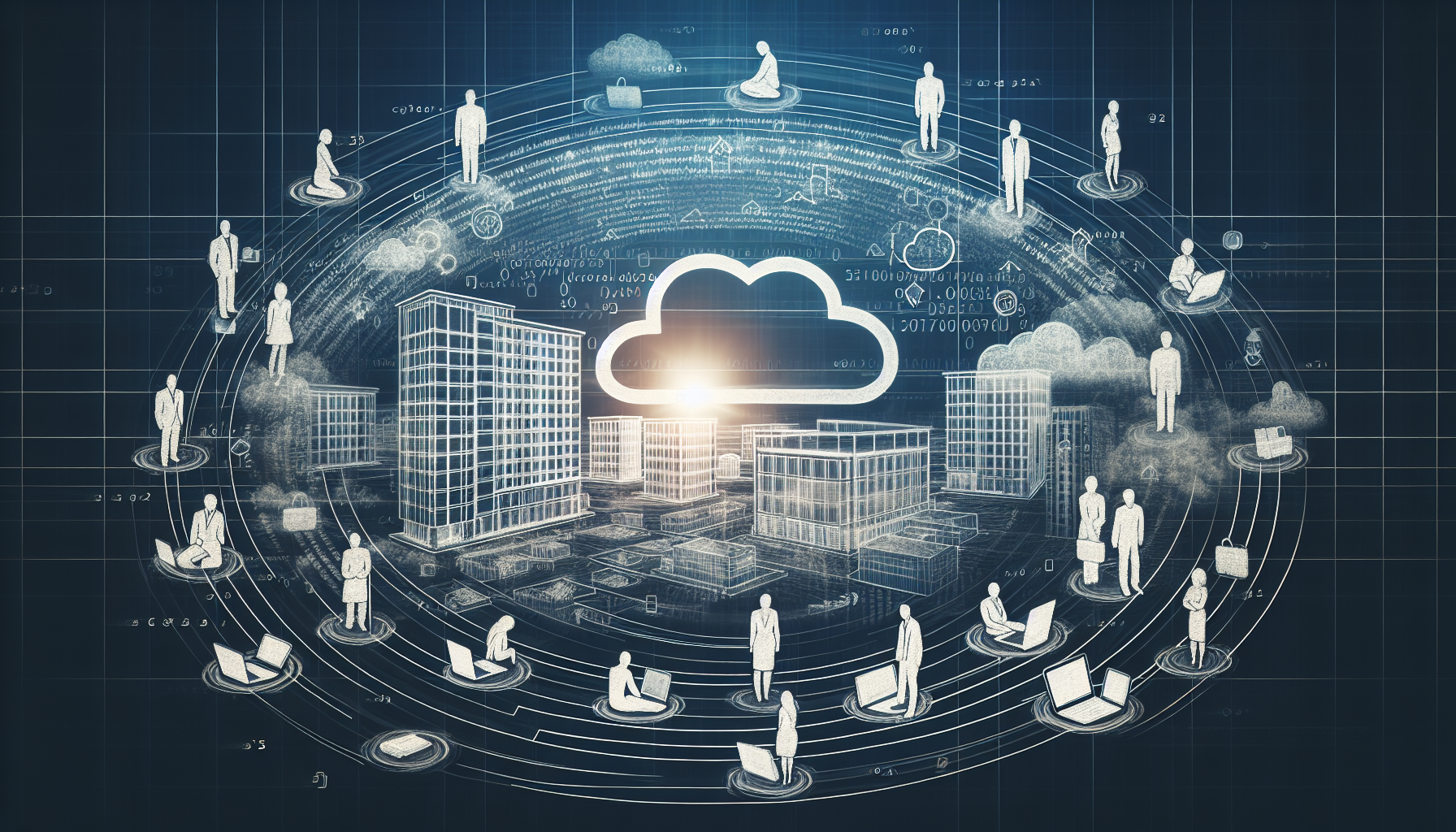
Cloud computing has revolutionized various industries by providing scalable, flexible, and cost-effective solutions. In essence, cloud computing allows businesses to access and store data over the internet, eliminating the need for physical servers and hardware. This technology enables real-time data processing and accessibility, which is crucial for industries like real estate that require constant updates and data management.
Real Estate Management Systems (REMS)
Real Estate Management Systems are software platforms designed to streamline property management tasks such as tenant tracking, lease management, maintenance scheduling, and financial reporting. Traditionally, these systems were hosted on local servers, which posed challenges in terms of scalability, data security, and accessibility. However, with the advent of cloud computing, REMS have undergone significant transformations.
Benefits of Cloud-Based REMS
Cloud-based Real Estate Management Systems offer numerous advantages over traditional systems. They provide enhanced data security, improved collaboration, and real-time access to information. Additionally, they reduce IT costs and allow for easy scalability, making them ideal for growing real estate businesses.
One of the primary concerns in real estate management is data security. Cloud computing addresses this issue by offering robust security measures such as encryption, multi-factor authentication, and regular security updates. These features ensure that sensitive information, such as tenant details and financial records, is protected from unauthorized access and cyber threats.
Improved Collaboration and Accessibility
Cloud-based systems facilitate seamless collaboration among real estate professionals. By storing data in the cloud, team members can access and update information from anywhere, at any time, using any device with internet connectivity. This level of accessibility enhances communication and coordination, leading to more efficient property management processes.
Cost Efficiency and Scalability
Implementing cloud-based REMS can significantly reduce IT costs. Businesses no longer need to invest in expensive hardware or maintain on-premises servers. Instead, they can opt for subscription-based models that offer flexibility and scalability. As a real estate business grows, cloud solutions can easily accommodate increased data storage and processing needs without requiring substantial infrastructure investments.
Real-Time Data and Analytics
Cloud computing enables real-time data processing and analytics, which are crucial for making informed decisions in real estate management. Property managers can access up-to-date information on occupancy rates, rental trends, and maintenance schedules, allowing them to optimize operations and improve tenant satisfaction. Advanced analytics tools integrated into cloud-based REMS provide valuable insights that drive strategic planning and enhance overall business performance.
Future of Real Estate Management
The integration of cloud computing in real estate management systems is just the beginning. As technology continues to evolve, we can expect further innovations that will enhance property management processes, improve tenant experiences, and drive industry growth. Embracing cloud solutions is essential for real estate businesses looking to stay competitive in a rapidly changing digital landscape.
The impact of cloud computing on real estate management systems is profound. By offering enhanced security, improved collaboration, cost efficiency, and real-time analytics, cloud-based solutions are transforming the way real estate businesses operate. As the industry continues to embrace digital transformation, cloud computing will play an increasingly vital role in shaping the future of real estate management.