The Rise of Eco-Friendly Buildings
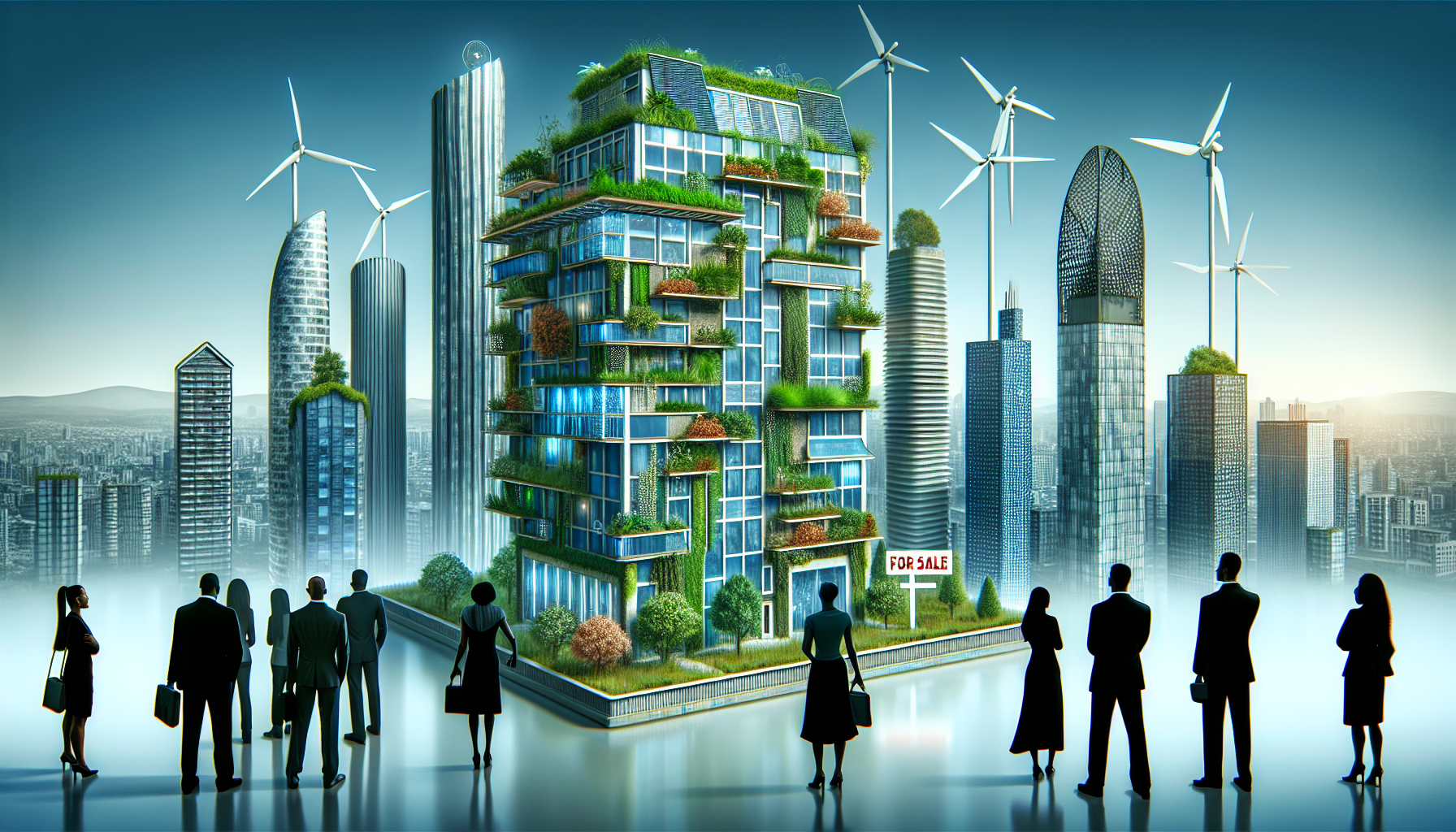
Eco-friendly buildings, also known as green buildings, are designed to reduce the overall impact on the environment and human health. They achieve this through efficient use of energy, water, and other resources, while also reducing waste, pollution, and environmental degradation. These structures incorporate sustainable materials and practices, such as solar panels, rainwater harvesting systems, and energy-efficient lighting.
Benefits of Eco-Friendly Buildings
The benefits of eco-friendly buildings extend beyond environmental impact. They offer significant financial advantages, such as reduced energy costs and increased property value. Additionally, these buildings provide healthier living and working environments, which can lead to improved occupant well-being and productivity. The integration of natural light and ventilation, along with the use of non-toxic materials, contributes to a healthier indoor environment.
Eco-Friendly Features
1. **Solar Panels**: Harness renewable energy to power the building.
2. **Rainwater Harvesting**: Collect and reuse rainwater for non-potable purposes.
3. **Energy-Efficient Lighting**: Reduce electricity consumption with LED lights.
4. **Sustainable Materials**: Use recycled or rapidly renewable materials.
5. **Green Roofs**: Improve insulation and reduce urban heat island effect.
The demand for eco-friendly buildings in the real estate market is on the rise. Consumers are increasingly aware of environmental issues and are seeking properties that align with their values. This shift in consumer preference is driving developers to incorporate sustainable features into their projects. As a result, green buildings often command higher prices and attract more buyers and tenants.
Financial Incentives and Regulations
Governments and organizations worldwide are offering financial incentives to promote the construction of eco-friendly buildings. These incentives include tax credits, grants, and rebates for incorporating sustainable features. Additionally, regulations and building codes are evolving to require higher standards of energy efficiency and sustainability, further encouraging the development of green buildings.
Investing in Green Real Estate
Investing in eco-friendly buildings is not only beneficial for the environment but also a smart financial decision. As the demand for sustainable properties grows, so does their market value. Investors can expect higher returns and lower operating costs, making green real estate a lucrative opportunity.
While the benefits of eco-friendly buildings are clear, there are challenges to consider. The initial cost of incorporating sustainable features can be higher than traditional construction methods. However, these costs are often offset by long-term savings in energy and maintenance. Additionally, finding skilled professionals with expertise in green building practices can be a challenge, but the growing demand is leading to an increase in available resources and training programs.
The Future of Eco-Friendly Real Estate
The future of the real estate market is undoubtedly green. As awareness of environmental issues continues to grow, so will the demand for eco-friendly buildings. Innovations in technology and construction practices will make it easier and more cost-effective to build sustainable properties. The real estate industry is poised for a transformation, with eco-friendly buildings leading the way.
Conclusion
Eco-friendly buildings are reshaping the real estate market by offering environmental, financial, and health benefits. As demand for sustainable properties increases, developers and investors must adapt to stay competitive. Embracing green building practices is not only a responsible choice but also a strategic one for future success.