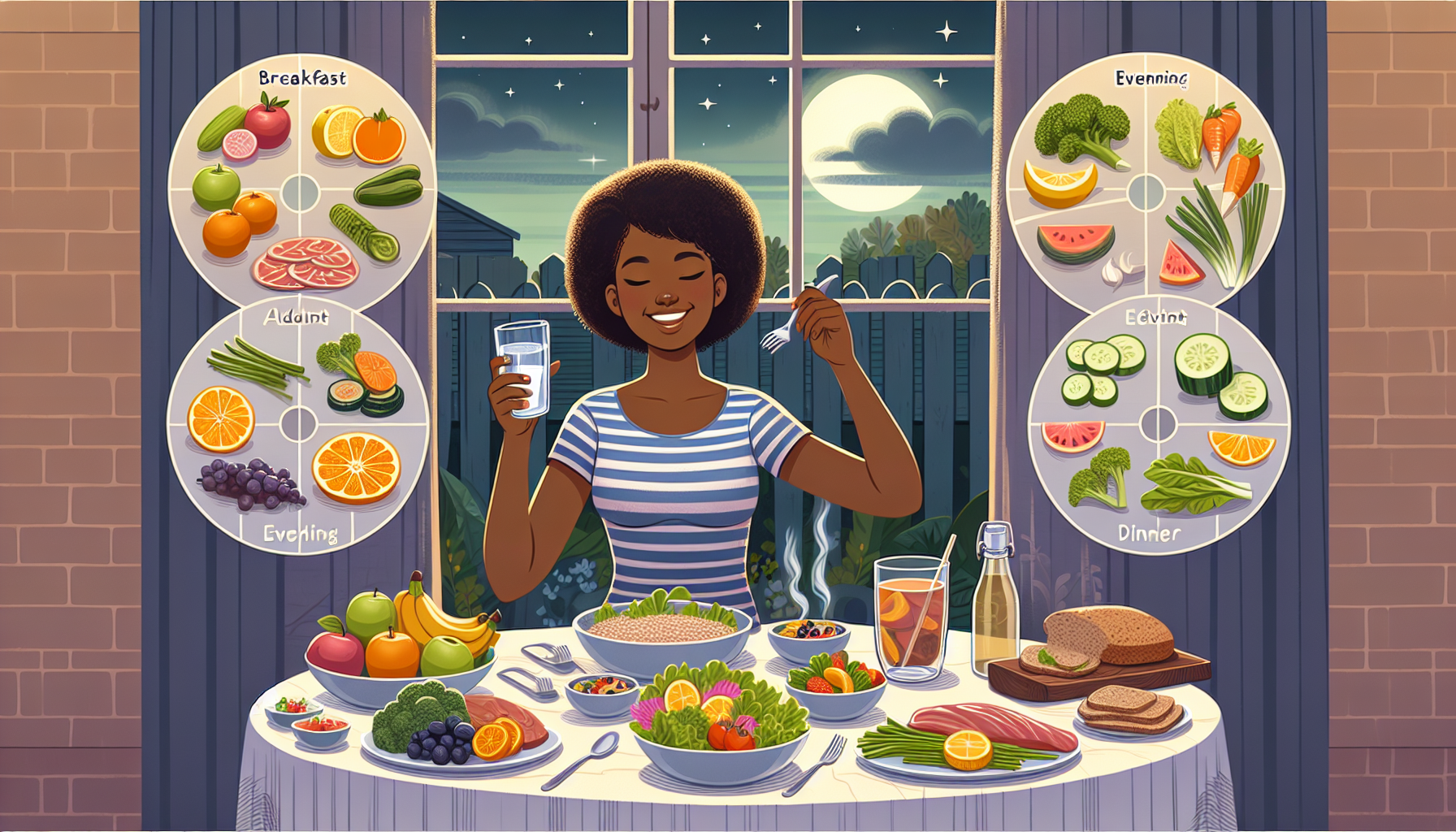
Healthy Eating Habits That Are Easy to Practice in Daily Life
Eat Smart
Simple Daily Healthy Eating Habits
Quick Breakfast Ideas
– **Oatmeal with fruits and nuts**: A hearty bowl of oatmeal topped with fresh fruits and a sprinkle of nuts can provide a nutritious start.
– **Greek yogurt parfait**: Layer Greek yogurt with granola and berries for a quick and satisfying meal.
– **Smoothie**: Blend spinach, banana, and almond milk for a nutrient-packed drink.
– **Greek yogurt parfait**: Layer Greek yogurt with granola and berries for a quick and satisfying meal.
– **Smoothie**: Blend spinach, banana, and almond milk for a nutrient-packed drink.
Tips for Staying Hydrated
– **Carry a water bottle**: Keep a reusable water bottle with you to sip throughout the day.
– **Infuse your water**: Add slices of lemon, cucumber, or mint to your water for a refreshing twist.
– **Set reminders**: Use an app or set alarms to remind you to drink water regularly.
– **Infuse your water**: Add slices of lemon, cucumber, or mint to your water for a refreshing twist.
– **Set reminders**: Use an app or set alarms to remind you to drink water regularly.
Meal Planning Tips
– **Create a weekly menu**: Plan your meals for the week and make a shopping list.
– **Prep ingredients in advance**: Chop vegetables and marinate proteins ahead of time.
– **Cook in batches**: Prepare large quantities of meals and freeze portions for later.
– **Prep ingredients in advance**: Chop vegetables and marinate proteins ahead of time.
– **Cook in batches**: Prepare large quantities of meals and freeze portions for later.
Portion Control Strategies
– **Use measuring cups**: Measure out servings to avoid overeating.
– **Divide your plate**: Fill half your plate with vegetables, a quarter with protein, and a quarter with whole grains.
– **Eat slowly**: Take your time to enjoy your meal and give your body time to signal when it’s full.
– **Divide your plate**: Fill half your plate with vegetables, a quarter with protein, and a quarter with whole grains.
– **Eat slowly**: Take your time to enjoy your meal and give your body time to signal when it’s full.
Healthy Snack Ideas
– **Nuts and seeds**: A handful of almonds or sunflower seeds can provide a quick energy boost.
– **Fresh fruit**: Apples, bananas, and berries are convenient and nutritious snacks.
– **Hummus and veggies**: Dip carrot sticks or bell pepper slices in hummus for a satisfying snack.
– **Fresh fruit**: Apples, bananas, and berries are convenient and nutritious snacks.
– **Hummus and veggies**: Dip carrot sticks or bell pepper slices in hummus for a satisfying snack.
By incorporating these simple healthy eating habits into your daily life, you can improve your overall health and well-being. Remember, it’s not about perfection but making better choices consistently. Start small, stay committed, and enjoy the benefits of a healthier lifestyle.