AI and Machine Learning’s Innovative Changes in Medical Diagnosis
Med Tech
1. AI in Imaging2. Predictive Analytics3. Personalized Medicine
Enhanced Diagnostics
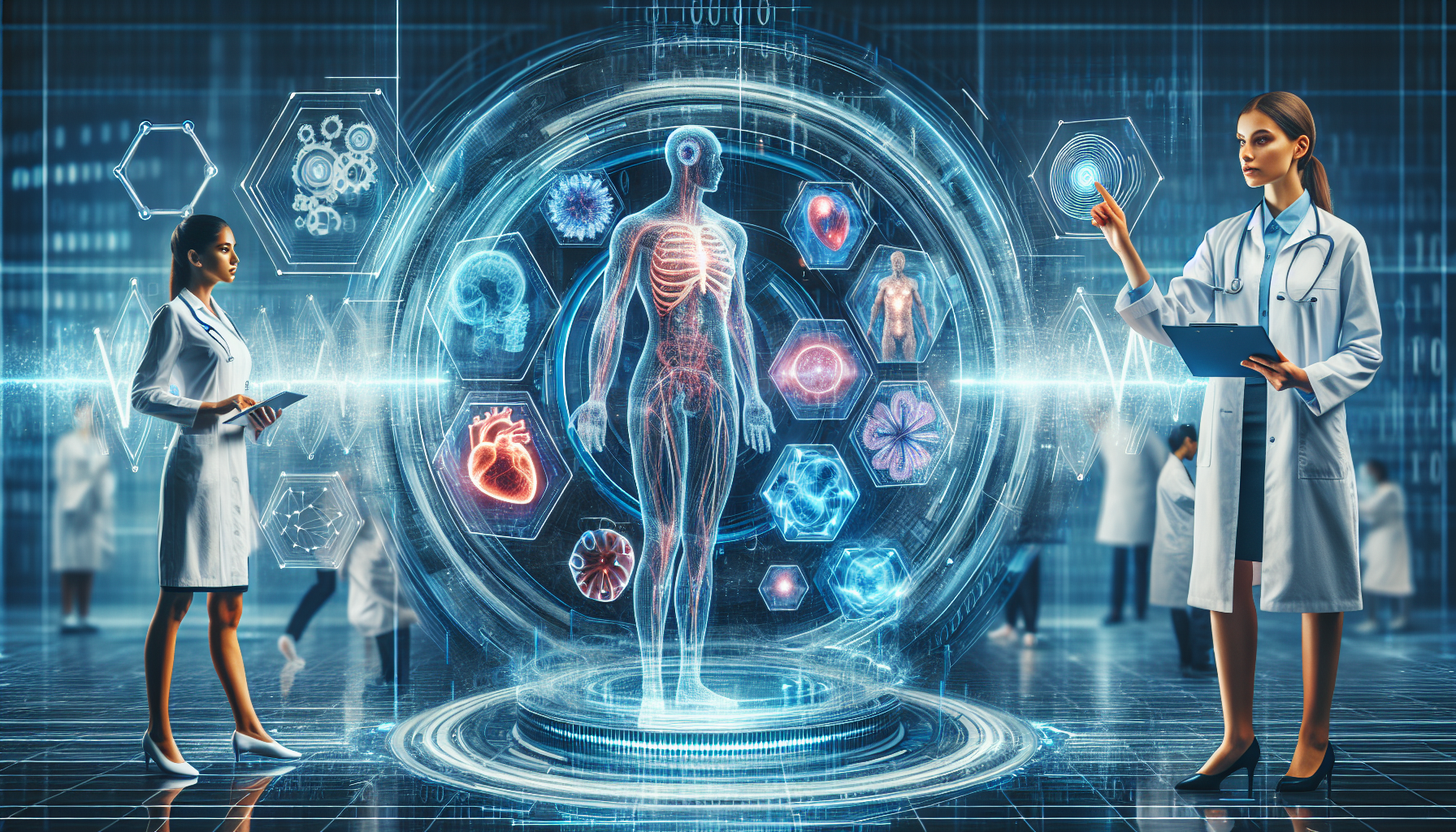
AI has revolutionized medical imaging by providing enhanced diagnostic capabilities. Machine learning algorithms can analyze complex imaging data with remarkable accuracy. This allows for early detection of diseases such as cancer, significantly improving patient outcomes.
Predictive analytics in healthcare is transforming patient care by anticipating potential health issues before they arise.
Machine learning models analyze vast amounts of patient data to predict the likelihood of diseases. This proactive approach enables healthcare providers to implement preventive measures, reducing the incidence of severe health conditions.
Predictive analytics also aids in resource management within hospitals, ensuring that critical care is available when needed. By forecasting patient admissions and treatment requirements, healthcare facilities can optimize their operations.
Predictive analytics also aids in resource management within hospitals, ensuring that critical care is available when needed. By forecasting patient admissions and treatment requirements, healthcare facilities can optimize their operations.
Tailored Treatments
AI facilitates personalized medicine by analyzing genetic information to tailor treatments to individual patients. This approach considers the unique genetic makeup of each patient, leading to more effective therapies.
Personalized medicine also extends to drug development, where AI helps in identifying potential drug candidates and predicting their efficacy. This accelerates the development of new treatments, bringing them to market faster.
Challenges and Considerations
While AI offers numerous benefits, it also presents challenges such as data privacy concerns and the need for regulatory oversight. Ensuring the ethical use of AI in healthcare is paramount to maintaining patient trust.
Conclusion
AI and machine learning are driving innovative changes in medical diagnosis, offering new possibilities for early detection, personalized treatment, and improved patient care. As these technologies continue to evolve, they hold the promise of transforming healthcare for the better.