Revolutionizing Education with VR
Virtual Reality (VR) is transforming the educational landscape by providing immersive learning experiences that were previously unimaginable. This technology allows students to engage with content in a three-dimensional space, enhancing their understanding and retention of complex subjects. From virtual field trips to interactive simulations, VR is paving the way for a new era of educational innovation.
Benefits of VR in Learning
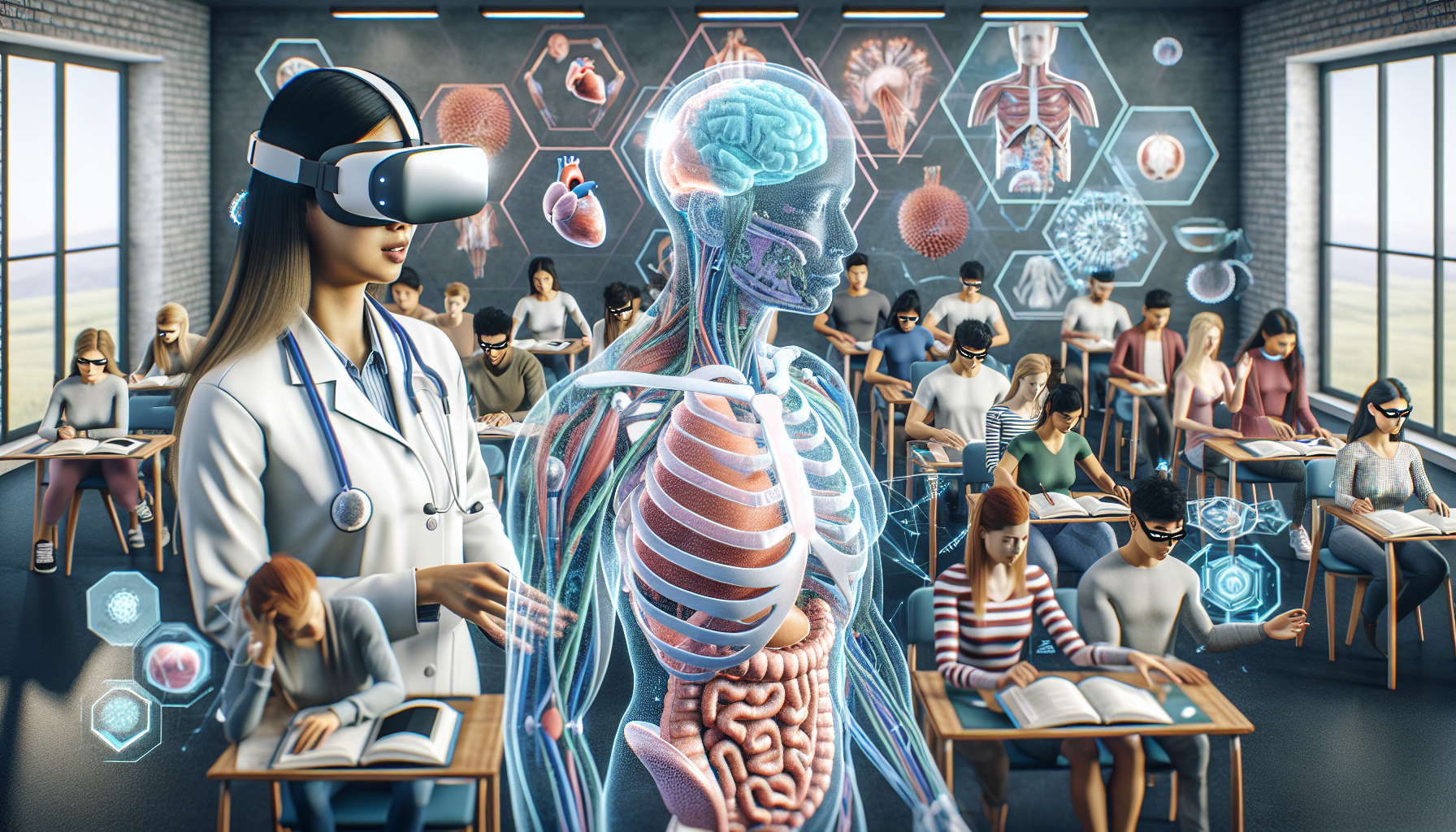
The integration of VR into education offers numerous benefits. It provides students with the opportunity to explore environments and scenarios that are otherwise inaccessible. For instance, history students can visit ancient civilizations, while science students can explore the human body in detail. This hands-on approach not only makes learning more engaging but also caters to different learning styles, ensuring that all students can benefit from the material.
Engage with VR
Virtual Reality is not just a tool for entertainment; it is a powerful educational resource. By incorporating VR into the curriculum, educators can create a more interactive and engaging learning environment. This technology encourages active participation and fosters a deeper understanding of the subject matter.
In the field of medical education, VR is proving to be an invaluable tool. It allows medical students to practice procedures in a risk-free environment, enhancing their skills and confidence before they work with real patients. VR simulations can replicate complex surgeries, enabling students to gain hands-on experience without the associated risks. This technology also facilitates remote learning, allowing students from around the world to access high-quality medical training.
Challenges and Considerations
While the benefits of VR in education are clear, there are challenges that need to be addressed. The cost of VR equipment can be prohibitive for some educational institutions, and there is a need for ongoing research to ensure that VR content is pedagogically sound. Additionally, educators must be trained to effectively integrate VR into their teaching practices to maximize its potential.
Overcoming Challenges
To fully harness the power of VR in education, it is essential to address the challenges associated with its implementation. By investing in affordable VR solutions and providing training for educators, institutions can overcome these barriers and create a more dynamic and inclusive learning environment.
The future of VR in education is promising. As technology continues to advance, we can expect to see even more innovative applications of VR in the classroom. From personalized learning experiences to global collaboration, VR has the potential to transform education on a global scale. By embracing this technology, educators can prepare students for the challenges of the 21st century and beyond.
Embrace the Future
The integration of Virtual Reality into education is not just a trend; it is a fundamental shift in how we approach teaching and learning. By embracing VR, educators can create a more engaging, effective, and inclusive educational experience for all students.
Virtual Reality is revolutionizing the educational landscape, offering new opportunities for engagement and understanding. From enhancing traditional learning methods to advancing medical education, VR is a powerful tool that can transform the way we teach and learn. As we continue to explore the possibilities of this technology, it is essential to address the challenges and embrace the opportunities it presents. By doing so, we can create a more dynamic and inclusive educational environment that prepares students for the future.