Understanding Modern Stress
In today’s fast-paced world, stress has become an inevitable part of life. The constant demands of work, family, and social obligations can lead to overwhelming feelings of anxiety and tension. Modern stress is often characterized by a relentless pace, digital overload, and the pressure to constantly perform at high levels. Understanding the nature of stress is the first step in managing it effectively.
Mindfulness and Meditation
One of the most effective techniques for managing stress is the practice of mindfulness and meditation. These practices involve focusing your attention on the present moment, which can help reduce anxiety and improve emotional well-being. By dedicating just a few minutes each day to mindfulness exercises, individuals can experience a significant reduction in stress levels. Techniques such as deep breathing, guided imagery, and progressive muscle relaxation are also beneficial.
Mindfulness Benefits
Mindfulness and meditation offer numerous benefits, including reduced stress, improved focus, and enhanced emotional resilience. By incorporating these practices into your daily routine, you can cultivate a sense of calm and clarity, even in the midst of life’s challenges.
Regular physical activity is another powerful tool for combating stress. Exercise releases endorphins, which are natural mood lifters. Whether it’s a brisk walk, a yoga session, or a high-intensity workout, physical activity can help clear your mind and reduce stress. Aim for at least 30 minutes of moderate exercise most days of the week to reap the full benefits.
Healthy Lifestyle Choices
Adopting a healthy lifestyle is crucial for managing stress. This includes maintaining a balanced diet, getting adequate sleep, and avoiding excessive caffeine and alcohol consumption. A nutritious diet rich in fruits, vegetables, lean proteins, and whole grains can provide the energy needed to cope with stress. Additionally, prioritizing sleep and establishing a regular sleep schedule can enhance your ability to handle stress effectively.
Lifestyle Tips
– **Eat a balanced diet**: Incorporate a variety of nutrients to support overall health.
– **Prioritize sleep**: Aim for 7-9 hours of quality sleep each night.
– **Limit stimulants**: Reduce caffeine and alcohol intake to prevent exacerbating stress.
Building strong social connections is vital for stress management. Having a support system of friends, family, or colleagues can provide emotional comfort and practical assistance during stressful times. Engaging in social activities, whether in person or virtually, can help foster a sense of belonging and reduce feelings of isolation.
Time Management and Organization
Effective time management and organization can significantly reduce stress. By prioritizing tasks, setting realistic goals, and breaking projects into manageable steps, individuals can prevent feeling overwhelmed. Utilizing tools such as planners, calendars, and to-do lists can help keep track of responsibilities and deadlines, leading to a more structured and less stressful life.
Organizational Strategies
– **Set clear priorities**: Focus on what’s most important and tackle tasks accordingly.
– **Break tasks into steps**: Divide larger projects into smaller, manageable parts.
– **Use planning tools**: Leverage digital or paper planners to stay organized.
Sometimes, stress can become overwhelming, and professional help may be necessary. Therapy and counseling can provide valuable insights and coping strategies. Cognitive-behavioral therapy (CBT) is particularly effective in helping individuals change negative thought patterns and develop healthier responses to stress. Don’t hesitate to seek professional support if stress becomes unmanageable.
Conclusion
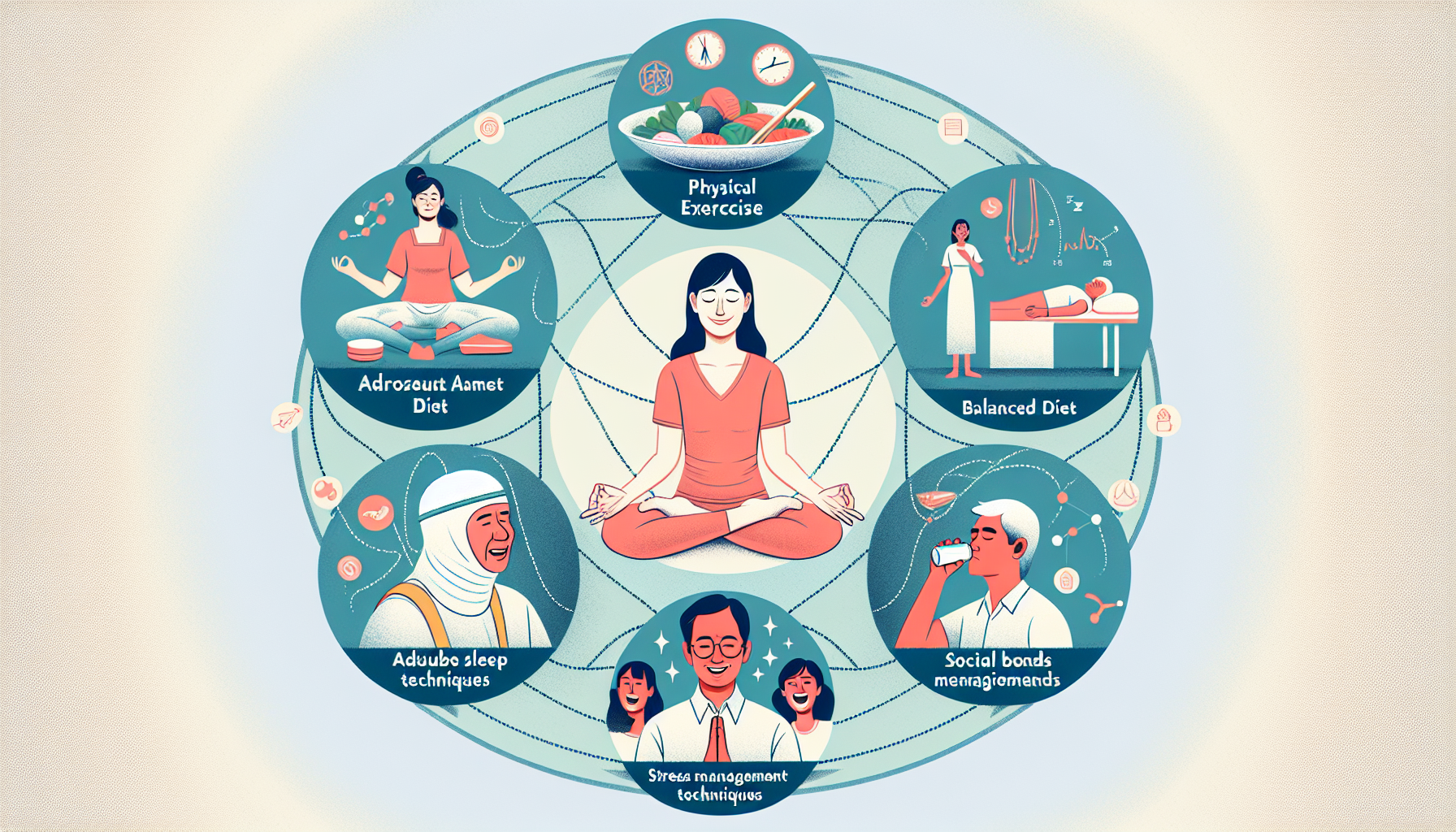
Managing modern stress requires a multifaceted approach that includes mindfulness, physical activity, healthy lifestyle choices, social support, and effective time management. By incorporating these techniques into your daily routine, you can reduce stress and improve your overall quality of life. Remember, it’s important to find what works best for you and to seek professional help if needed. Embrace these strategies to navigate the complexities of modern life with resilience and calm.